

Audio By Carbonatix
Ghana, a country rich in natural beauty and resources, is facing a mounting environmental crisis that threatens its landscapes, communities, and future. The story of this crisis is one of human impact, neglect, and the urgent need for action.
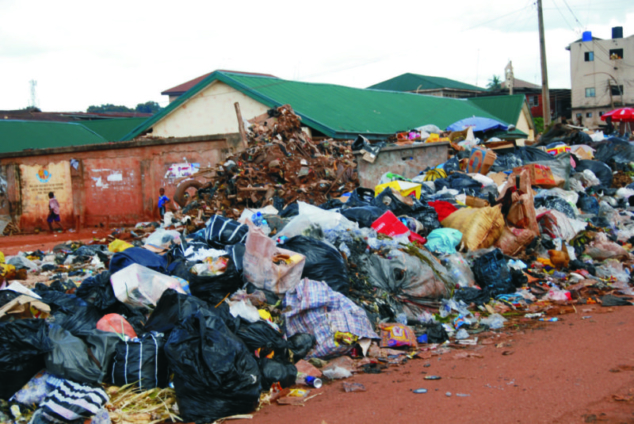
In recent years, the rapid urbanization of Ghana has brought about significant environmental challenges. One of the most pressing issues is the proliferation of plastic waste. In cities like Accra and Kumasi, plastic bags, bottles, and packaging materials are found everywhere—clogging gutters, littering streets, and polluting water bodies. The lack of adequate waste management systems has turned these vibrant cities into landscapes dotted with filth, where piles of garbage grow higher each day.
The problem extends beyond the cities. In rural areas, illegal mining activities, known as "galamsey," have led to severe environmental degradation. These operations, often unregulated and carried out with little regard for safety or the environment, have polluted rivers and streams with toxic chemicals like mercury and cyanide. Farmlands have been destroyed, forests cleared, and the once-fertile land has become barren. Communities that once relied on these natural resources for their livelihoods are now struggling to survive in a poisoned environment.
In addition to these challenges, deforestation is another significant issue. Ghana's forests, which once covered vast swathes of the country, are being rapidly depleted. Logging, both legal and illegal, along with the expansion of agriculture, has led to the loss of critical habitats for wildlife and has contributed to soil erosion and climate change. The country’s once-thriving biodiversity is now under threat, with many species facing extinction due to habitat loss.
The environmental crisis in Ghana is not just about the degradation of land and water; it is also a public health emergency. The filth in urban areas has led to outbreaks of diseases such as cholera and malaria. Contaminated water sources and poor sanitation have put millions of Ghanaians at risk, particularly in poorer communities where access to clean water and healthcare is limited.
Despite these challenges, there is hope. Grassroots organizations, local communities, and environmental activists are working tirelessly to address these issues. Initiatives to reduce plastic waste, restore degraded lands, and protect forests are gaining momentum. The government of Ghana, recognizing the severity of the situation, has begun to take steps to improve waste management, regulate illegal mining, and promote sustainable practices.
However, the road ahead is long and fraught with obstacles. To truly overcome these environmental challenges, there needs to be a concerted effort from all sectors of society. Education and awareness are key, as is the enforcement of environmental laws. The people of Ghana must come together to protect their natural heritage, not just for themselves, but for future generations.
The story of Ghana's environmental challenges is a stark reminder of the consequences of neglect and the urgent need for sustainable practices. It is a call to action, not just for Ghana, but for the world, to prioritize the health of our planet and the well-being of all its inhabitants.
Latest Stories
-
FirstBank Ghana pledges action on customer feedback at service week forum
15 minutes -
Sahara Group urges journalists to look beyond fuel prices in energy reporting
24 minutes -
Today’s front pages: Friday, October 16, 2026
28 minutes -
Ashanti Region: ECG urges customer cooperation with franchise officers
33 minutes -
Ghana’s research fund faces a test of turning funding promises into scientific breakthroughs
45 minutes -
Dîner en Blanc Accra returns on December 28 for second edition
48 minutes -
20% digital tax: Government hiding behind technicalities to cheat Ghanaians – Dr Boako
2 hours -
David Selassie Anthony declares bid for NDC Deputy National Organiser
2 hours -
Amin Adam proposes 13 measures to strengthen Ghana’s debt transparency and market confidence
3 hours -
Mahama announces $2bn annual investment to accelerate industrialisation
3 hours -
Amin Adam urges monthly disclosure of Sinking Fund as Ghana prepares for DDEP repayments
3 hours -
Stronger banks will fuel business growth and jobs – ADB MD
3 hours -
Galamsey: ‘Rivers that fed our grandparents now run the colour of chocolate milk’ – Sam Jonah
3 hours -
We have been scammed by NDC, government is only doing PR – Abanga Fuseini
3 hours -
Republic Bank–JoyNews Habitat Fair opens in Ho today
3 hours