

Audio By Carbonatix
As global trade dynamics continue to evolve amid escalating tariff conflicts between economic superpowers, Ghana is being called upon to take bold steps to reposition itself as a manufacturing and export leader across Africa.
This was the central message delivered by Michael Kottoh, Managing Partner at economic strategy firm Konfidants, during the 2025 Citi Business Forum held in Accra on Thursday, June 12.
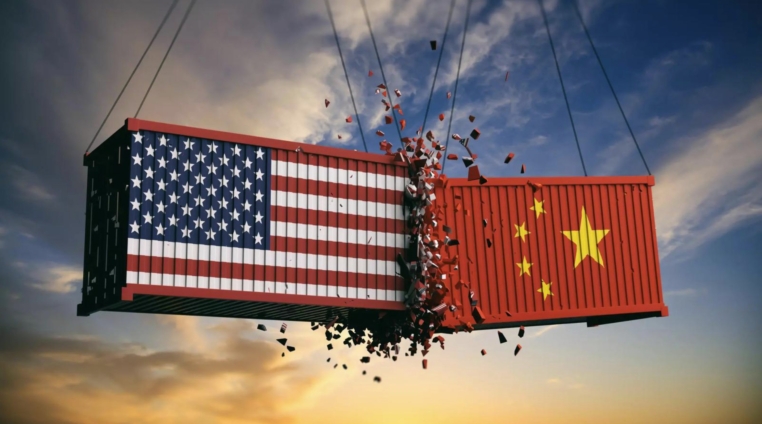
Global trade disputes, particularly those involving the United States, China, and the European Union, have led to an increasingly fragmented supply chain landscape.
But while larger economies grapple with retaliatory tariffs and disrupted trade flows, smaller nations like Ghana stand to benefit from the realignment of international commerce.
“In terms of opportunities, we could seize U.S. niche advantages while rivals pay higher tariffs,” he noted. “Lesotho has been crying a lot, South Africa is complaining a lot—we could potentially, using AfCFTA, attract some of that export.”
The AfCFTA, which came into effect in 2021, has created the largest free trade area in the world by number of countries, covering a market of over 1.4 billion people with a combined GDP of $3.4 trillion, according to the African Union.
One of the most promising sectors for Ghana, Mr Kottoh noted, is the apparel and textile industry, a sector that has historically created thousands of jobs in Africa but has recently seen instability in traditional strongholds like Lesotho and South Africa.
“Lesotho could relocate some of those contracts to Ghana,” Kottoh explained. “So these are potential advantages—but we need to be strategic and understand which product lines, which value chains, which alliances and partnerships are required to take advantage of these.”
Ghana currently exports about $40 million worth of garments annually, but experts say that number could triple within five years if the country invests in industrial parks, worker training, and export-oriented logistics infrastructure.
Despite the encouraging outlook, Mr Kottoh stressed that seizing these opportunities will require more than optimism. Ghana must craft a deliberate, data-driven export strategy that identifies high-potential product categories and builds resilient ecosystems around them.
“We need to be strategic and understand which product lines, which value chains, which alliances and partnerships are required to take advantage of these.”
Mr Kottoh also emphasised the importance of trade facilitation reforms. According to the World Bank’s Logistics Performance Index, Ghana ranks 100th out of 139 countries—a statistic that underscores the urgency of improving port efficiency and customs processing times.
As geopolitical tensions continue to reshape global commerce, Ghana’s ability to adapt and capitalise on shifting trade currents may define its economic trajectory over the next decade.
Latest Stories
-
Credit Risk Management Directive: BoG to begin implementation for banks, others from July 1, 2027
11 minutes -
Ghana Brands Awards 2026: Leading brands, business trailblazers to shine on November 20
27 minutes -
T-bills auction: Demand improves as government exceeds target by about 76%; interest rates soften
33 minutes -
Ziope undertakes initiative to build a technologically inclined community, commissions self-help ICT lab
58 minutes -
ECG announces power outage in parts of Tema, Central Region due to network fault, maintenance
1 hour -
When the Gospel Becomes a Weapon: The church, blackmail and the abuse of faith
2 hours -
JoyNews’ Jacqueline Ansomah Yeboah selected for UK Media Excellence for Emerging Technology Fellowship
2 hours -
Mental Health Alliance urges government to operationalise Mental Health Fund
2 hours -
Ghana–Holy See agreement heads to Parliament after Cabinet approval
2 hours -
Luv FM Corporate Games 2026: Kumasi Central Prisons, Amanfiman Bank win big amid fun
3 hours -
WAFU B U17: Ghana top Group A after win over Togo
3 hours -
Ho Central Mosque reopens amid unresolved leadership dispute that led to closure
4 hours -
Minority caucus questions GH¢16.4m in Ablakwa’s SA evacuation spending, demands independent audit
5 hours -
Gender Ministry meets Nana Akua Addo’s husband over domestic violence after hospital discharge
5 hours -
UG Vice-Chancellor urges swift operationalisation of National Research Fund
6 hours