

Audio By Carbonatix
Access to clean water is transforming lives in New Atuabo, thanks to a long-term investment made by the Gold Fields Ghana Foundation.
What began as a resettlement support initiative has grown into a robust, community-managed water system that now serves over 11,000 residents.
With an investment exceeding US$375,000, the Foundation has not only improved access to clean and safe water, but has also enhanced health, education and economic opportunities for thousands.
The journey began in 1998, when Gold Fields Ghana Limited constructed six boreholes as part of the New Atuabo resettlement programme to meet the community’s water needs.
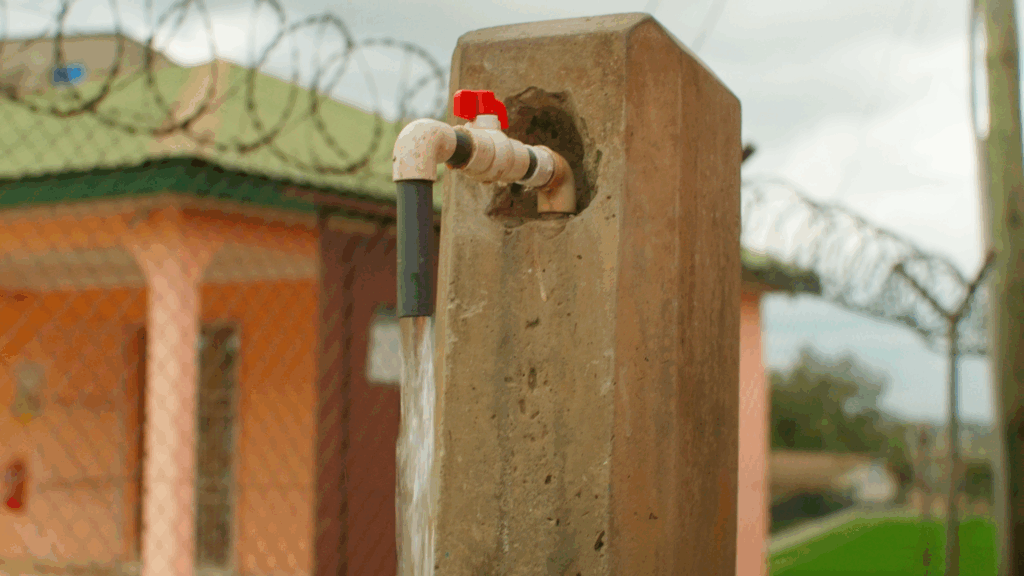
As the population grew, the original system became inadequate. In response, the Foundation added four mechanised boreholes to boost supply and reliability.
Recognising the importance of long-term sustainability, the Foundation partnered with the Tarkwa-Nsuaem Municipal Assembly to establish a Water and Sanitation (WATSAN) Committee.
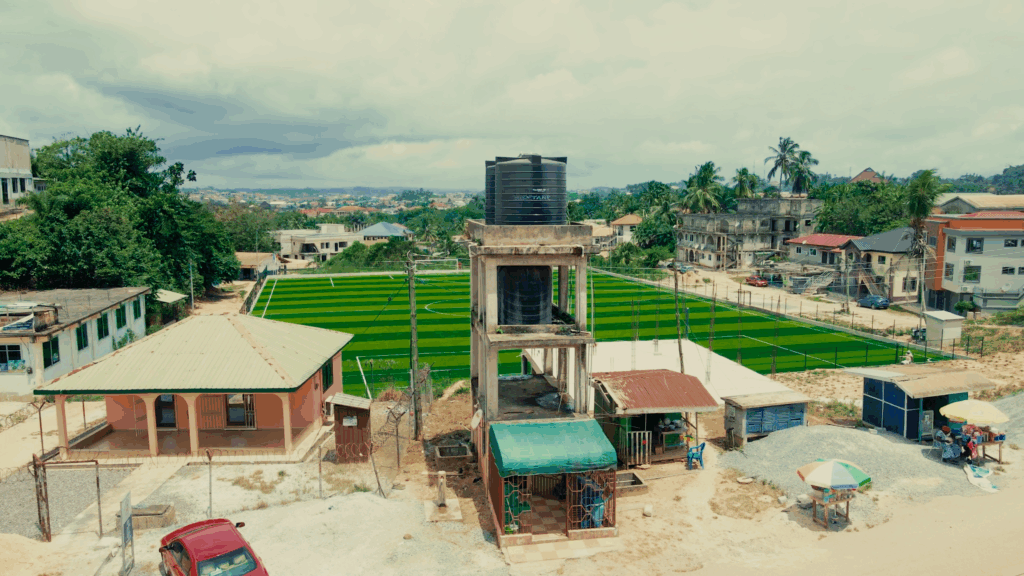
The committee, through quarterly capacity-building sessions, plays a pivotal role in managing water and sanitation infrastructure in the community. Through its efforts, three additional boreholes have been constructed, bringing the total number to 13.

Today, the facilities supply clean water to more than 600 households and provide free water to three public schools, improving hygiene and learning conditions for students.
The WATSAN Committee generates an average of GH¢30,000 monthly, which is reinvested into maintenance, repairs and utility costs — ensuring the system’s sustainability.
Beyond infrastructure, the project has had far-reaching social and economic impact. Reliable access to water has reduced the prevalence of waterborne diseases, improved public health and eliminated the need for long, unsafe journeys to fetch water — a burden that previously fell heavily on women and children.
This shift has freed up time for education, work and other productive activities, contributing to gender equality and local development.
New Atuabo’s impressive progress has positioned the community as a benchmark for sustainable water management.
Their story has been highlighted at key platforms, including the Tarkwa Mine Community Consultative Committee (TMCCC), where they have shared their experiences and practical lessons on sustaining access to clean water.
Inspired by their achievements, host communities such as Brahabobom and Huniso have expressed their commitment to building on this example, pledging to achieve even greater outcomes in water management and sustainability.
The New Atuabo water project is an example of how strategic investment and community collaboration can drive meaningful change.
Latest Stories
-
NDC threatens sanctions over oversized campaign posters, gives aspirants 5 days to comply
21 minutes -
Star Oil paid GH¢2.7bn in taxes, levies in nine months of 2026
35 minutes -
Samson’s Take: The rule of law is cheaper before the bulldozer
36 minutes -
GRA blames system failure for delay in issuing receipt over passenger’s customs duty
57 minutes -
Livestream: Newsfile discusses World Cup visa scandal, beach demolitions, education strikes, BRICS bid
1 hour -
NC-PTAs welcomes end of teachers’ strike, urges parents to prepare children for Monday
1 hour -
Government procures over 2,000 transformers as Ghana’s electricity access hits 89.13% – Energy Minister
2 hours -
UTAG-UG threatens strike on October 19 over unpaid allowance
2 hours -
Let The Constitution direct Chieftaincy to deliver “All Development Is Local”
3 hours -
John Jinapor outlines renewable energy, nuclear power priorities for 2027
3 hours -
Ghana explores centre of excellence for hearing, communication and cochlear implant care
4 hours -
Schizophrenia-related disorders lead mental health cases recorded in Ghana
5 hours -
Dutch authorities enlist Ghana in hunt for fugitive drug lord Bolle Jos
5 hours -
Ghana housing finance conference adopts communiqué to improve affordable housing access
10 hours -
Special Initiatives Minister urges Wa Technical Institute to enrol more girls as EU-backed solar training lab opens
10 hours