

Audio By Carbonatix
Government, private sector players, and development partners are aligning efforts to unlock new economic opportunities for refugees and host communities in northern Ghana through agribusiness investment.
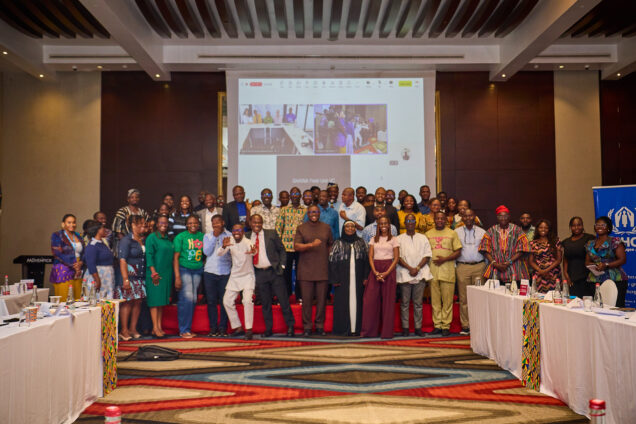
At the GRASP Public–Private Sector Dialogue 2026 held in Accra, over 50 participants — including more than 30 private sector companies and investment partners — met with government and humanitarian actors to explore ways of expanding livelihoods through agriculture.
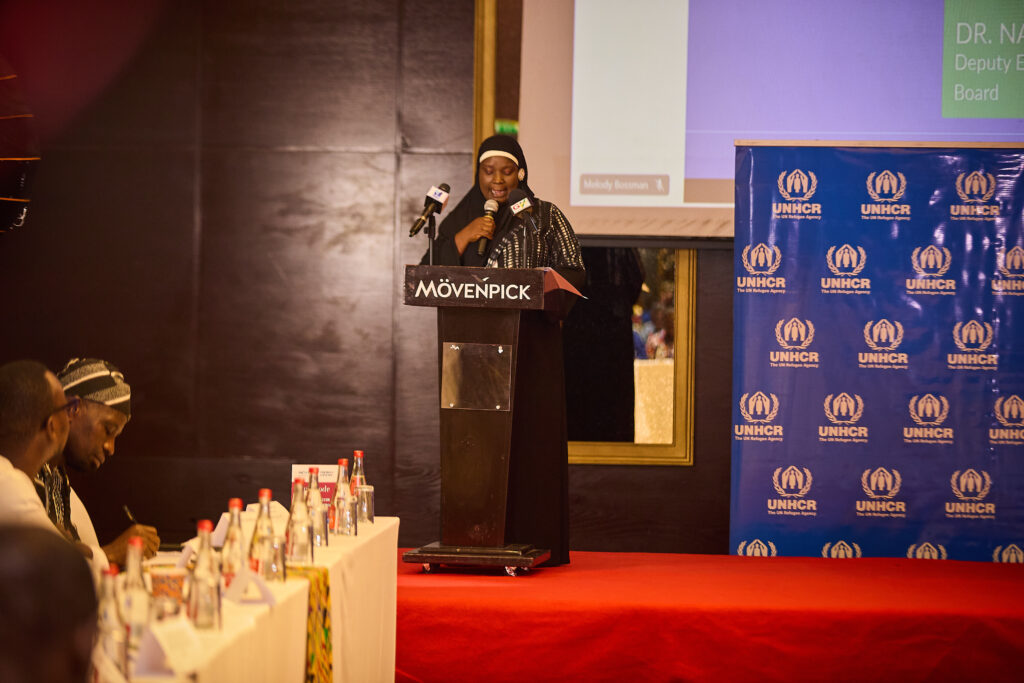
The dialogue, organised by UNHCR in Ghana, focused on mobilising private sector participation under the Ghana Refugee Agribusiness and Sustainability Programme (GRASP), a joint initiative aimed at linking refugee inclusion with national development priorities.
With more than 30,000 asylum seekers arriving in Ghana since 2022 — largely settling in rural northern regions — stakeholders say there is an urgent need to shift from short-term humanitarian assistance to long-term, sustainable economic solutions.
GRASP, now integrated into the government’s Feed Ghana Programme, seeks to position agribusiness as a pathway to economic opportunity, self-reliance, and resilience for both refugees and host communities.
Head of UNHCR Ghana, Tetteh Padi, stressed the importance of inclusion in rebuilding lives.
“Refugee inclusion is fundamentally about enabling people to rebuild their lives with dignity,” he said, adding that partnerships with government and the private sector are key to ensuring access to livelihoods and participation in the economy.
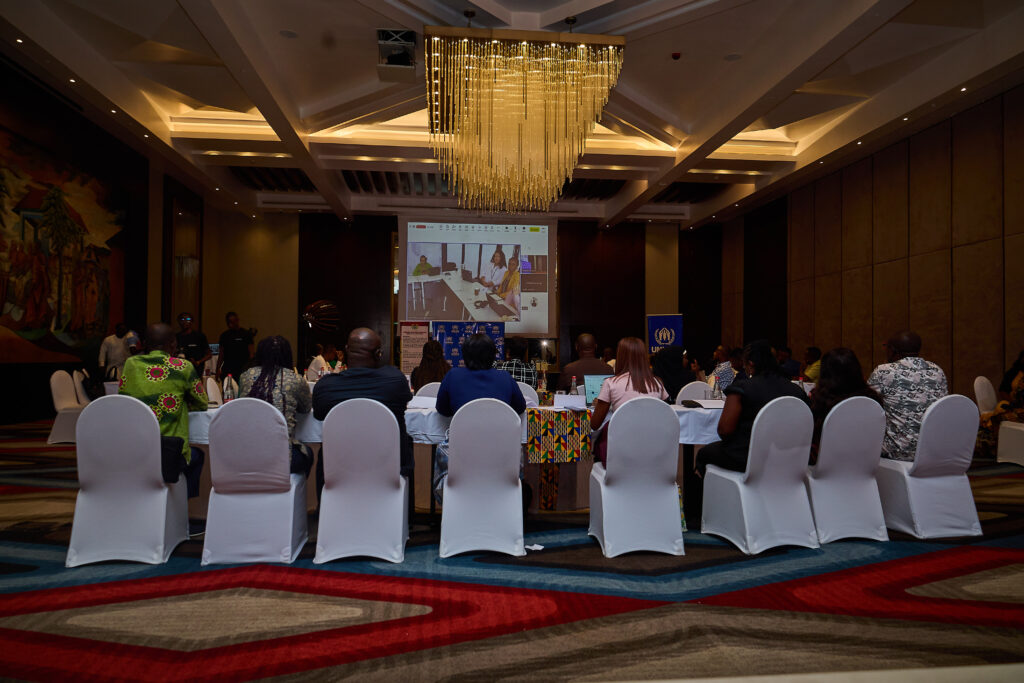
Participants at the dialogue explored opportunities across agricultural value chains, including production, processing, and market access, while identifying areas for collaboration and investment.
Chief of Private Sector Partnerships Africa at UNHCR, Nancy Aburi, noted that displacement across Africa is increasingly long-term, requiring a shift in response strategies.
“Our response is evolving accordingly,” she said. “This partnership demonstrates how an engaged private sector can integrate refugees into agribusiness value chains, contributing towards thriving economies and communities.”
Government representatives also emphasised the need to align refugee support with national development frameworks.
Speaking on behalf of the Executive Secretary of the Ghana Refugee Board, Nana Asare Bediako, officials said integrating refugee-hosting areas into broader economic planning is key to unlocking growth.
“Through GRASP and its integration into the Feed Ghana Programme, refugee-hosting areas are being positioned within our broader economic planning — linking livelihoods, markets, and investment to regions where both refugees and host communities are building their futures,” the statement noted.
Private sector actors say the initiative presents strong opportunities, particularly within northern Ghana’s agricultural value chains.
Programmes Manager at KGL Foundation, Nii Annorbah-Sarpei, highlighted the potential for scalable partnerships.
“GRASP brings together the partnerships, coordination, and structure that allow businesses to participate in ways that are practical, scalable, and aligned with long-term growth,” he said.
The dialogue marks a growing shift toward development-led responses to displacement, bringing together public and private actors to expand economic opportunities and strengthen resilience in refugee-hosting communities.
Latest Stories
-
EOCO vrs Baffour Awuah: EOCO should have secured warrant before arrest attempt at court – Inusah Fuseini
3 minutes -
Triple fibre cuts disrupt telecom services across Northern, Oti regions – Sam George
6 minutes -
Politicisation could undermine parliamentary probe into cocaine seizures – Dr Osae-Kwapong
13 minutes -
EOCO chases MP: Can Section 41 cure lacuna in EOCO Act? – Inusah Fuseini asks
16 minutes -
GNFS, GWL inspect fire hydrants in Ministries enclave; 23 found faulty
21 minutes -
Gov’t directs release of 50,000 bags of grain to ECOWAS
23 minutes -
Ghana, Germany deepen cooperation on railways, labour mobility
28 minutes -
Huge crowds greet Pope in Paris for open-air Mass
39 minutes -
‘I never said I’ll declare a state of emergency’ – President Mahama on galamsey
1 hour -
Bobby Banson condemns EOCO’s attempted arrest of Nana Agyei Baffour Awuah
2 hours -
When Kumasi begins to look like somebody is in charge
2 hours -
Parliamentary probe into cocaine seizure would be a waste of time – Inusah Fuseini
2 hours -
Cocaine seizure: Focus on Ghana’s reputation, not partisan blame – Osae-Kwapong
2 hours -
Two Invitations, Three Interrogations: Did Baffour Awuah tell the whole story?
2 hours -
Drug cartels may be seeing Ghana as easy route – Lenin Anane Agyei
3 hours