

Audio By Carbonatix
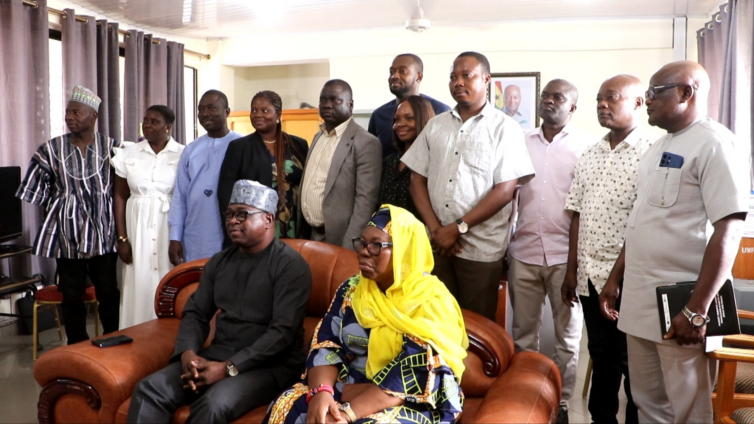
The Minister for Climate Change and Sustainability, Alhaji Baba Seidu Issifu, has announced plans by the government to establish dedicated Climate and Sustainability Units across all District Assemblies in Ghana to drive local climate adaptation, enhance advocacy, and unlock global climate financing.
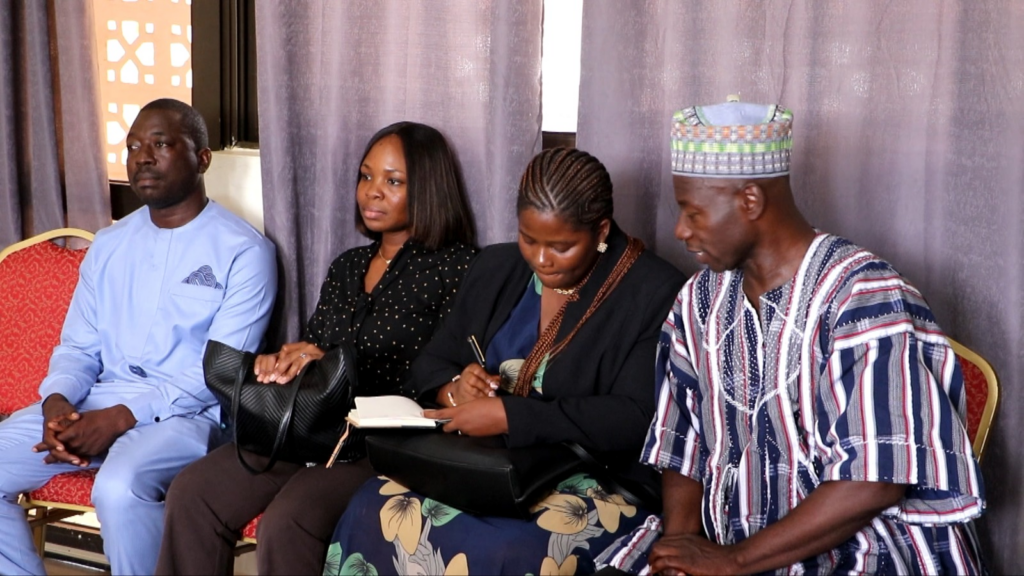
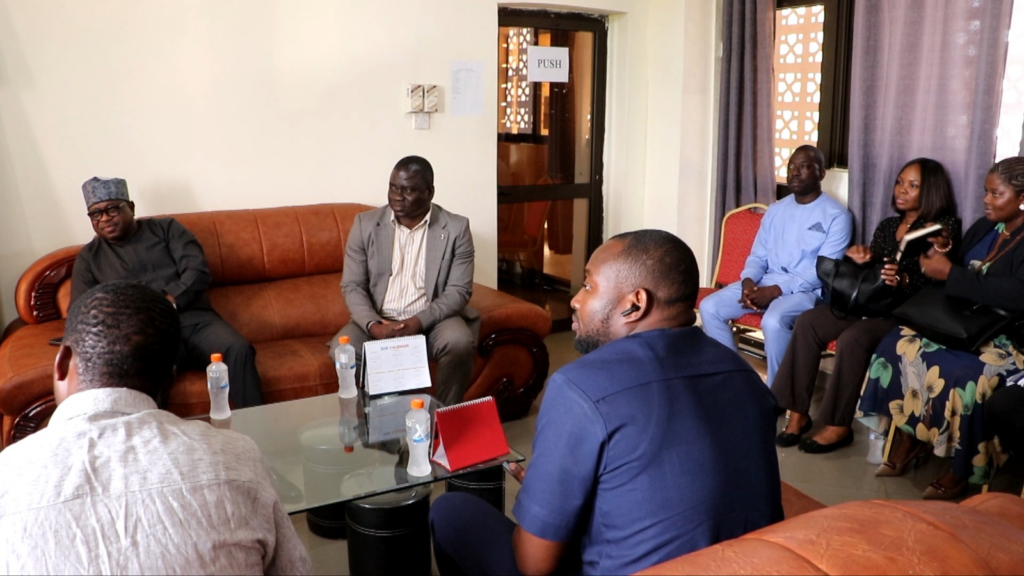
Speaking during a high-level stakeholder engagement at the Upper West Regional Coordinating Council (RCC) in Wa, the Minister emphasized that climate change is an undeniable reality requiring deliberate behavioral shifts, structured local policies, and capacity building at the grassroots level.
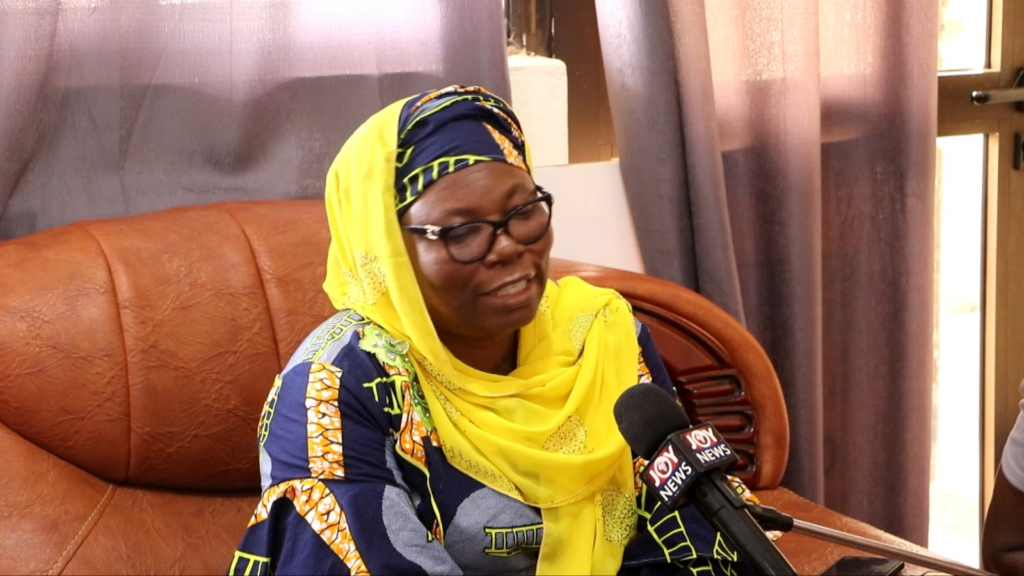
"Climate change is a reality, and whether we like it or not, it is here. We have to find ways to adjust and adapt to the situation, and we cannot do that without building capacity and accepting this reality," Alhaji Seidu Issifu stated.
According to the Minister, establishing these specialised units at the assembly level will empower local authorities to track climate-related activities, implement advocacy programs, and establish clear Key Performance Indicators (KPIs) to attract critical funding.
"If we are deliberate about creating these units and setting KPIs for them, we should be able to overlap that revenue to augment the budgetary support we get from central government," he explained. "Climate financing holds huge opportunities for assemblies and our most vulnerable communities.
Assemblies can begin forming these teams with existing resources to rake in climate finance to support their budgetary allocations, similar to what metropolitan assemblies in Accra are achieving with donor partners."
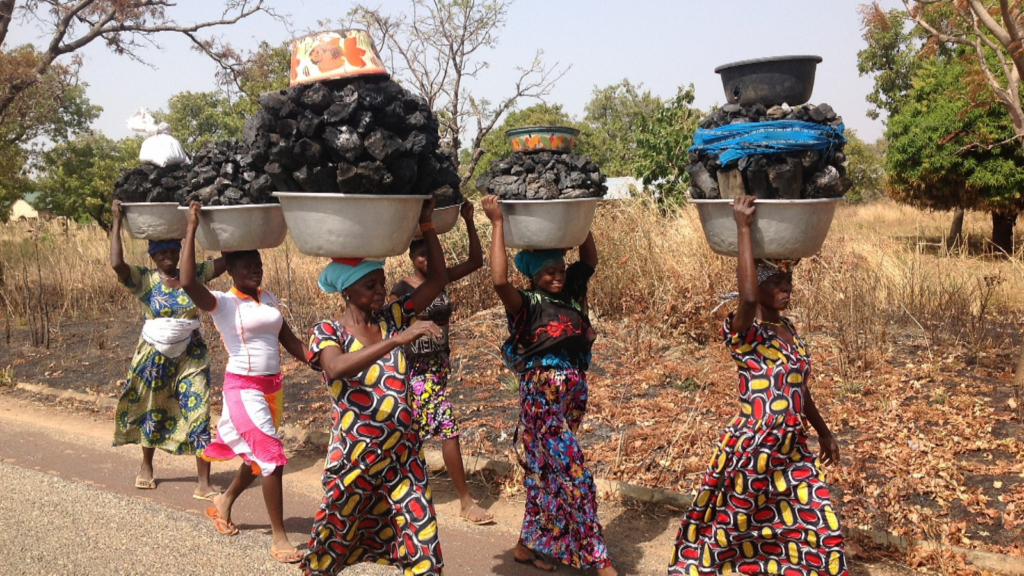
Highlighting Northern Ghana and the Upper West Region in particular as the area worst hit by severe climate shocks, the Minister warned of the compounding socio-economic disruptions on rural households.
"Anytime we have these shocks, livelihoods are affected, homes are displaced, education is disrupted, and the entire value chain of our livelihood is impacted. Most times, we find women and children migrating due to climate hazards.
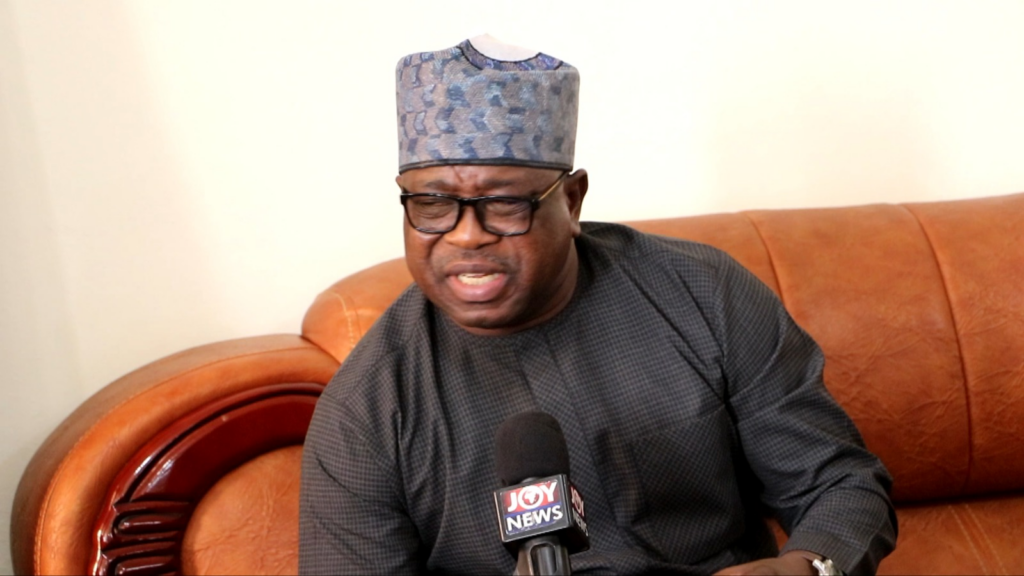
The route to reaching these vulnerable communities is through the assemblies, and we must put them in readiness," Alhaji Seidu Issifu added. He further revealed long-term plans to establish a national Climate and Sustainability Hub in Accra to continuously build the operational capacity of district assemblies across the country.
The regional engagement, which commenced in Wa, will proceed to the Savannah, Upper East, Northeast, and Northern regions.
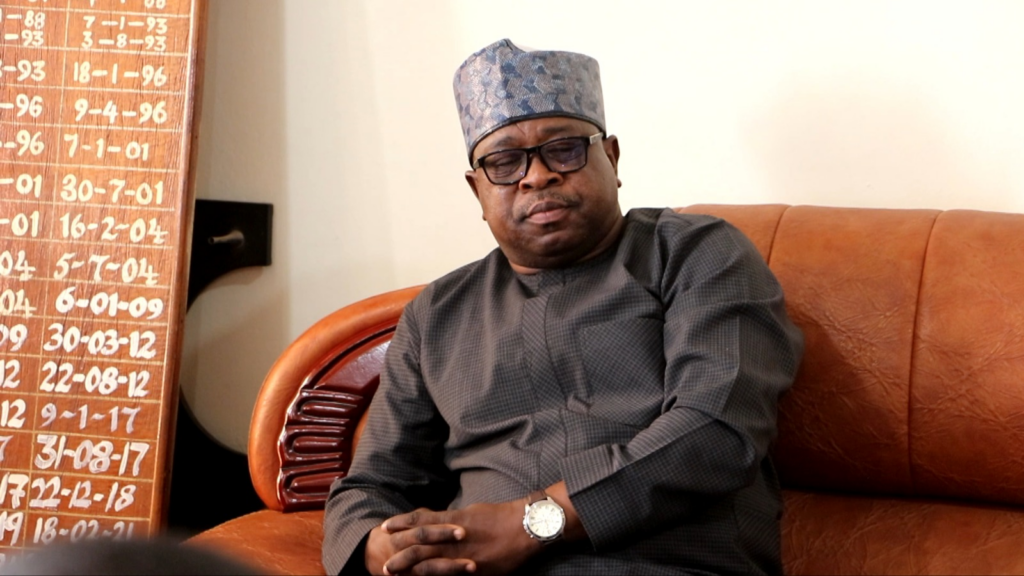
Responding to the Minister's address, Chief director at the Upper West Regional Coordinating Director, Pognaa Fati Issaka Koray, speaking on behalf of the Upper West Regional Minister and the RCC, commended the Ministry's initiative and affirmed that district assemblies represent the most effective entry point for grassroots intervention.
"Engaging with the assemblies is the right point of entry because they are directly with the people. They need to educate and orient community members on the adverse effects of climate change and how to rope them into sustainable solutions," Pognaa Koray noted.
She emphasised the urgent need to address the practical shocks faced by rural women, particularly those reliant on tree felling for charcoal production as a primary source of income.
"Most of the issues, like the felling of trees for charcoal, hit women the hardest because that is their main livelihood. If there are no alternatives, we cannot expect them to stop.
As we implement these climate policies, we must provide viable alternative livelihoods and engage them in tree-planting initiatives to replenish what is lost," she stressed.
Pognaa Koray assured the ministerial delegation of the RCC’s full backing, adding that discussions have been initiated with the Environmental Protection Authority (EPA) and the Forestry Commission to conduct field inspections of critical climate-impacted sites across the region during the Minister's tour.
Latest Stories
-
Let The Constitution direct Chieftaincy to deliver “All Development Is Local”
13 minutes -
Ghana explores centre of excellence for hearing, communication and cochlear implant care
2 hours -
Schizophrenia-related disorders lead mental health cases recorded in Ghana
2 hours -
Dutch authorities enlist Ghana in hunt for fugitive drug lord Bolle Jos
2 hours -
Ghana housing finance conference adopts communiqué to improve affordable housing access
7 hours -
Special Initiatives Minister urges Wa Technical Institute to enrol more girls as EU-backed solar training lab opens
7 hours -
In the matter of my first year at the Bar
7 hours -
ActionAid Ghana calls for an end to child marriage, greater investment in girls’ rights
8 hours -
Newsfile to tackle World Cup visa scandal, beach demolitions, education strikes, BRICS bid
8 hours -
UK-Ghana Trade & Investment Summit: Trade Resource Centre to help businesses maximise UK-Ghana trade opportunities
8 hours -
Embassy of Denmark celebrates World Maritime Day
8 hours -
Linking LEAP to productive inclusion could cut extreme poverty by 2030 – UNICEF
9 hours -
Trade Ministry backs use of creative arts to rehabilitate prison inmates
9 hours -
Negotiations with government to continue despite strike suspension – GNAT
10 hours -
‘Ghana cannot afford to waste public resources; every cedi has a job’ – Ato Forson
10 hours