

Audio By Carbonatix
In the last two decades, worldwide activities to control the spread and impact of malaria have yielded tremendous gains, including the aversion of 1.5 billion infections and 7.6 million deaths. However, since 2014, the progress has slowed down due to a reduction in investments in malaria research and control innovations, as well as emerging challenges like the COVID-19 pandemic that are now disrupting anti-malaria interventions. These gaps have left millions of people, most of them children, exposed.
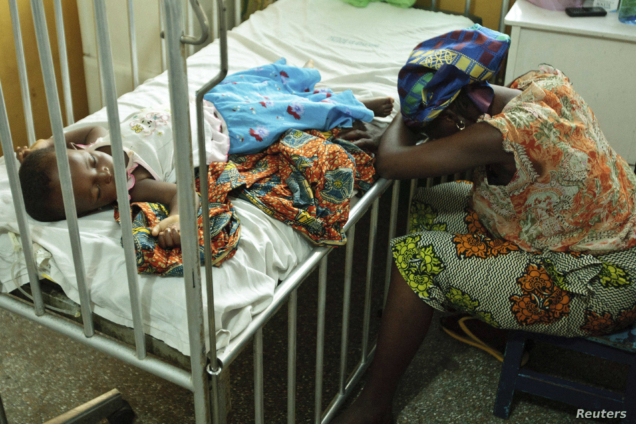
In fact, as of 2021, a child under five years of age dies every two minutes, with Africa accounting for 94% of the mortality, according to UNICEF. Africa is badly affected, with Nigeria, the country with the highest malaria burden in the world, citing the disease for 60% of all outpatient visits and 30% hospitalizations among children under five years.
It is a similar situation in the Democratic Republic of Congo, where severe malaria is responsible for 77% of hospitalization for children under five years of age; and in Kenya, where the disease accounts for 20% of the deaths of children in the same age bracket.
Southern Africa is also challenged, with malaria being responsible for 45% of outpatient visits and 56% of pediatric admissions in Mozambique, where it subsequently results in 29% of all hospital deaths among the general population and 42% of deaths in children under five years of age.
It is a dire situation that also places 200 million school-going children in the continent at a risk of infection, which often comes with add-on complications like severe anemia, respiratory distress, cognitive delays, and lower educational achievement.
Such data backs an urgent appeal for innovative interventions in managing the spread of the disease, including next-generation vector control tools and vaccines. Yet, in most of Africa, part of the solution includes such simple acts as ensuring that insecticide-treated mosquito nets, testing kits, and medication are easily accessible to people in the worst-affected regions.
Community pharmacies play a great role in bringing these remedies closer to where they are needed, and we are witnessing critical gains in Nigeria, where they are included in an optimized mix of interventions that are projected to avert tens of millions of additional cases and thousands of additional deaths by the year 2023.
In Nigeria, these community pharmacies comprise Patent and Proprietary Medicine Vendors (PPMVs), who sell orthodox pharmaceutical products on a retail basis for profit. Over the years, these PPMVs have become an essential component of basic healthcare solutions as communities constantly rely on them for diagnosis and treatment.
At mPharma, we have documented great success for malaria control initiatives by working with PPMVs. In the past two years, we have invested in a Nigerian retailer’s cooperative that unites PPMVs leading to an increase in stock availability for anti-malarial medication, and most recently, screening capacity through rapid diagnostic tests. A free testing and treatment program for children under the age of five in Ghana, Zambia, and Kenya is also proving useful in the management of uncomplicated malaria.
This model could be scaled across the continent providing quick relief to children and preventing simple cases from becoming serious. Additionally, where patients present with serious infections, these local pharmacies work as conduits of quicker referral to hospitals.
Such investments are in line with the WHO’s recommendations for the participation of communities in accelerating the progress towards a malaria-free Africa. It is an achievable goal – the eradication of malaria, that is – with countries like Algeria, Lesotho, Mauritius, and Seychelles having set the pace by receiving malaria-free certification.
The journey to this goal, however, requires a committed involvement by stakeholders at all levels of engagement, with a critical focus on stemming childhood infections. Prioritizing community pharmacies as centers of first-line intervention is a major step in bringing the continent closer to the goal, and we are hoping to see more investments in that direction.
****
The writer is the CEO of mPharma, a Pan-African healthcare technology company managing a network of 300 pharmacies in 7 countries and serving more than one million patients annually
Latest Stories
-
I assure Otumfuo, Mahama will join him to commission KNUST Teaching Hospital by end of this year – Haruna Iddrisu
13 minutes -
Gov’t to roll out free special education for persons with disabilities from July 1 – Education Minister
35 minutes -
“We used it to test our officiating officials’ readiness” – Bawah Fuseini after CAA Athletics event
1 hour -
Volleyball emerges as Ghana’s fastest rising sport
1 hour -
National Sports Fund needs strong leadership from the top – Administrator David Wuaku
1 hour -
JoySports Exclusive: Steve McLaren in talks with GFA after expressing interest in Black Stars job
2 hours -
Fire guts auto parts warehouse at Bubuashie, one fire officer injured
2 hours -
I owe my victory to coach Ofori Asare – Allotey after winning WBA Africa Gold Super Flyweight belt
2 hours -
Church of Pentecost supports over 2,000 BECE candidates in Obuasi with career guidance seminar
3 hours -
Brandon Asante and Coventry all but promoted to Premier League despite Sheffield Wednesday draw
4 hours -
GPL 2025/26: Late Kwartemaa strike downs Hearts in Tema
4 hours -
Ghana Faces Sierra Leone Moment as Prosecutorial Powers come under strain
4 hours -
Don’t consume fish or seafood from Tema Shipyard until further notice – FDA warns
4 hours -
Why volunteering might be Africa’s most underrated career accelerator
4 hours -
ActionAid Ghana raises concern over gender gaps in Feed Ghana Programme
4 hours