

Audio By Carbonatix
“Great things are not done by impulse, but by a series of small things brought together.”
The words of Vincent van Gogh, the renowned Dutch Post-Impressionist painter, encapsulate the essence of the seemingly unimportant details in achieving something greater.
Reaching greatness takes time, effort, and attention to detail. Unfortunately, it seems Ghana is yet to grasp this realisation.
“The truth of the matter is that the Football Association doesn't own players. The clubs are responsible for the registration of their players. What the Football Association does is just rely on players that have been registered by the clubs to represent Ghana, and therefore, when you have such a challenge, it is very difficult to control," Ghana Football Association President Kurt Okraku told SuperSport in an interview back in 2023.
This statement from Okraku came a year after the Confederation of African Football (CAF) banned Ghana from competing in the next two editions of the U-17 Women’s World Cup African qualifiers due to age fraud. And yet, it remains the only official communication Ghanaians have received from the FA since that devastating news.
The national U-17 women’s team, the Black Maidens, is supposed to serve as the first step for national team experience in the conveyor belt of talents for the women’s national teams.
But Ghana’s exclusion from U-17 female football at the elite level means that the next three sets of young football talents will miss that crucial first step of team building and experience that the U-17 level is meant to provide.
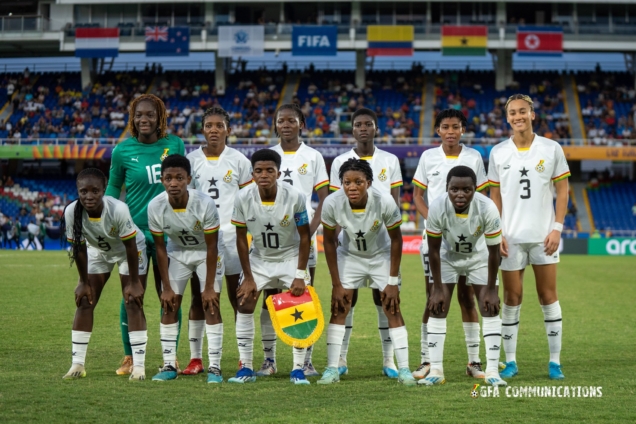
Ghana’s painful exit from the ongoing FIFA U-20 Women’s World Cup in Colombia only underscores the importance of proper team development, particularly at the youth level.
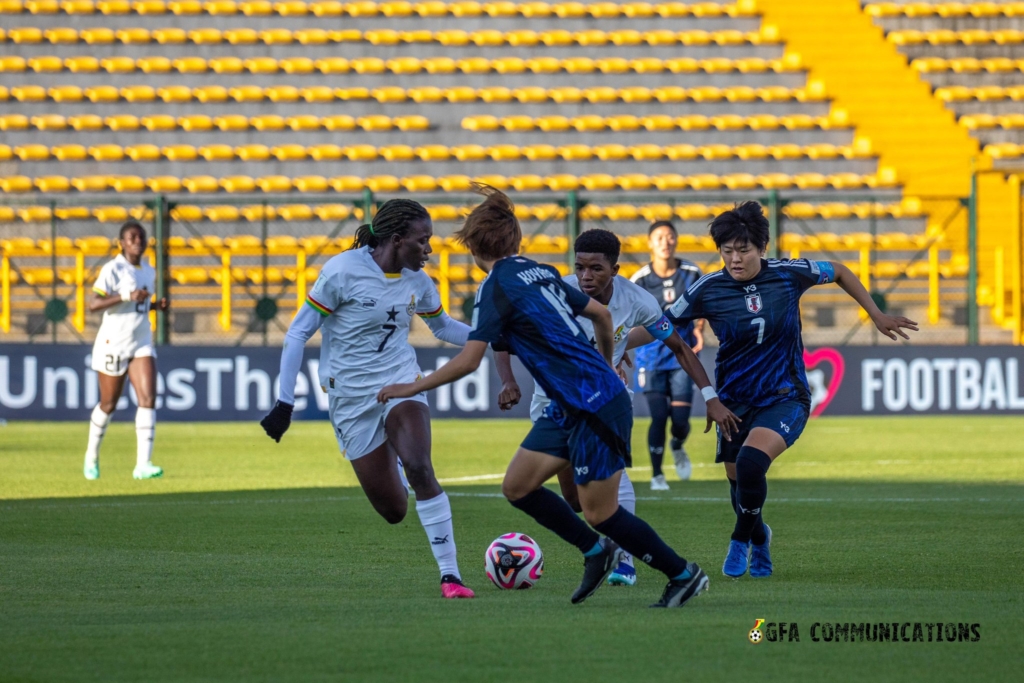
Admittedly, the team's history of group stage exits in the past six tournaments didn’t inspire much hope for a better outcome this time around.
However, Basigi gave Ghanaians hope through their performance, but when it mattered most, this national U-20 women’s team, the Black Princesses, were a shadow of themselves throughout the tournament, suffering defeats in their first two games before eventually exiting at the group stage.
These performances were shockingly uncharacteristic of a team led by Yusif Basigi, who had won both the WAFU Championships and the African Games within the past year.
Most expected them to build on those successes—but it wasn’t to be.
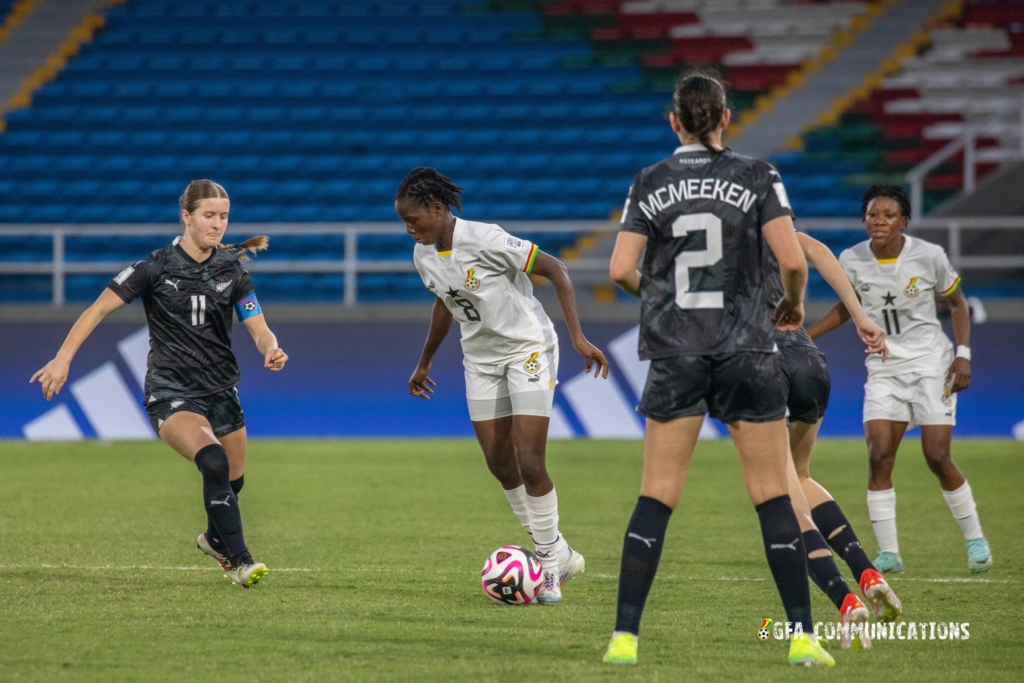
The disappointing outcome raises serious questions about the quality of their preparation. But more telling is the realisation that this team is only the first of three groups who might suffer from the absence of competition at the U-17 level during their developmental years.
This tournament marked the first time any member of the Black Princesses had experienced global elite competition.
In contrast, previous teams had the benefit of U-17 experience to prepare them for the challenges ahead. The inexperience was glaring, manifesting in nervous, error-strewn performances—unmistakable signs of stage fright and lack of exposure.
This tournament was the first time any member of the Black Princesses had experienced global elite competition, as opposed to previous teams who had the benefit of experiencing that at U-17 level.
As a result, the inexperience was palpable, giving way to uncharacteristic performances riddled with many individual errors. Such unfortunate recurring patterns point directly to inexperience and stage fright.
To double down on the failures of the Football Association, the team also endured their first time at a global competition without a psychologist.
Reports of team morale plummeting beyond the control of the technical team after their shock defeat to Austria only emphasise the importance of psychological support in high-pressure tournaments.
A well-run association that plans thoroughly would have anticipated the immense mental toll such a tournament could take on the players, especially given that this was their first time on such a stage. But not the GFA.
Ghana needs to understand that talent alone is no longer enough in modern elite competitions. Proper, deliberate planning is required, down to the tiniest detail.
The consequences of administrative neglect at the U-17 level are now impacting talent development at the U-20 level, and if nothing changes, the effects could seep into the senior women’s team, the Black Queens.
Is it too much to ask for proper planning?
Latest Stories
-
Ghana to begin camping with 12 athletes after Accra Open Championships – Bawa Fuseni
16 minutes -
Anthony Joshua declines showdown with Tyson Fury but admits they ‘probably’ clash next
30 minutes -
Tyson Fury dominates Makhmudov, calls out Joshua next
49 minutes -
I have supported highway authority financially to fix roads in my constituency – A Plus
2 hours -
US, Iran fail to reach peace agreement after marathon talks in Pakistan
2 hours -
ECG kicks off Phase Two of transformer upgrades at Lashibi; brief outages expected
3 hours -
Port crises loom as 11,000 drivers threaten four-day strike
4 hours -
A source of excellence across generations – Vice President Opoku-Agyemang lauds Mfantsipim
5 hours -
(Photos) Mfantsipim School launches historic 150th anniversary
5 hours -
Knights and Ladies of Marshall group backs Catholic Bishops’ stance on anti-LGBTQ+
6 hours -
Bright Simons writes: All the Filla in the Ibrahim Mahama/E&P – Gold Fields Saga
6 hours -
Monetise Idiocy In Ghana
6 hours -
The Ghanaian prophet and the mysterious death of his scottish wife Charmain Speirs
7 hours -
Nearly 400 sentenced in Nigeria for links to militant Islamists
8 hours -
Ghana’s recovery supported by gold strength despite global oil price pressures – Standard Bank Research
8 hours