

Audio By Carbonatix
One of Idris Elba’s grandfathers fought in World War II, but he doesn’t know what he endured. No pictures or stories survive.
“That part of my family’s history has been erased somewhat,” says Elba.
That helped fuel the actor’s push to narrate and executive produce the four-part National Geographic docuseries “Erased: WW2’s Heroes of Color,” which premieres Monday, days ahead of the 80th anniversary of D-Day, when the Allies landed on the coast of France, on June 6. Episodes will also later be available on Disney+ and Hulu.
More than 8 million people of color served with the Allies, and the series digs deep to focus on how some fared at D-Day, Dunkirk, Pearl Harbor and the Battle of the Bulge.
It tells the story of the 320th Barrage Balloon Battalion, the only all-Black combat unit to fight on the D-Day beaches, and Force K6, a little-known Indian regiment of mule handlers from the British army trying to evacuate at Dunkirk.
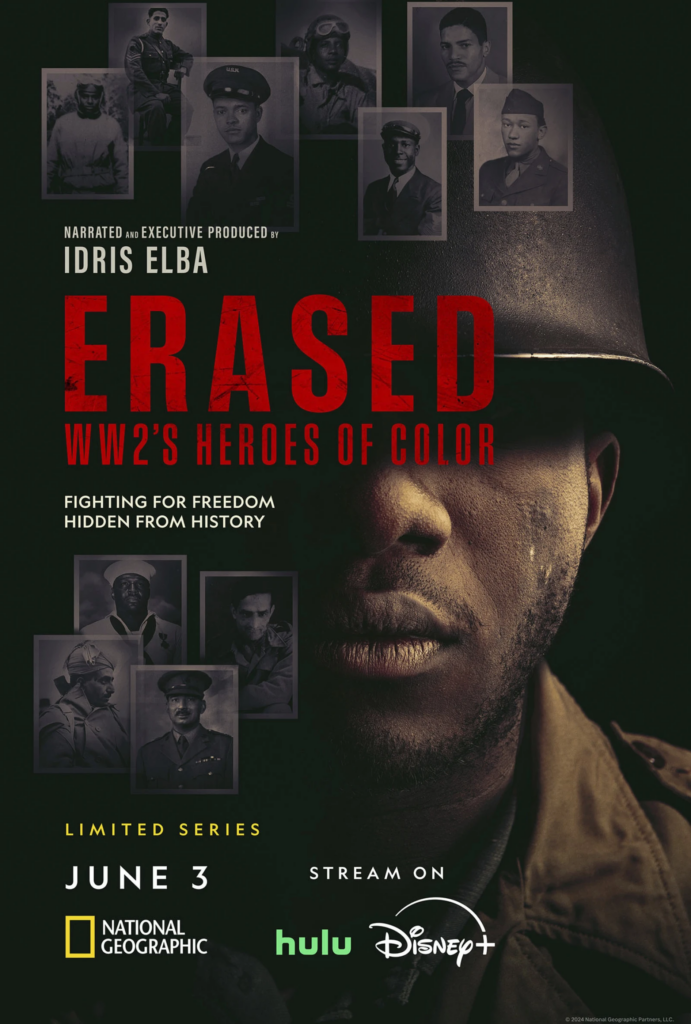
The series uses archival footage, descendant interviews, soldier journals and actor portrayals — a mix that Elba says he found visceral and moving.
“It really did actually impact me just in the narration booth, watching the imagery, looking at the faces, wondering about my own personal connect. Could my grandfather be one of the people in one of the pieces? That was what I thought about. So, it did definitely resonate with me.”
The series also highlights stories like that of Doris Miller, a mess attendant aboard the USS West Virginia who after the Japanese attack at Pearl Harbor raced to an unattended anti-aircraft gun and fired at the planes until forced to abandon ship.
He had never been trained to use the gun because Black sailors serving in the segregated steward’s branch of the Navy were not given the gunnery training received by white sailors. Miller’s bravery earned him the Navy Cross.
“It just feels like a privilege and an honour to be able to shed some light on their stories,” says director Shianne Brown, who helmed the D-Day episode.
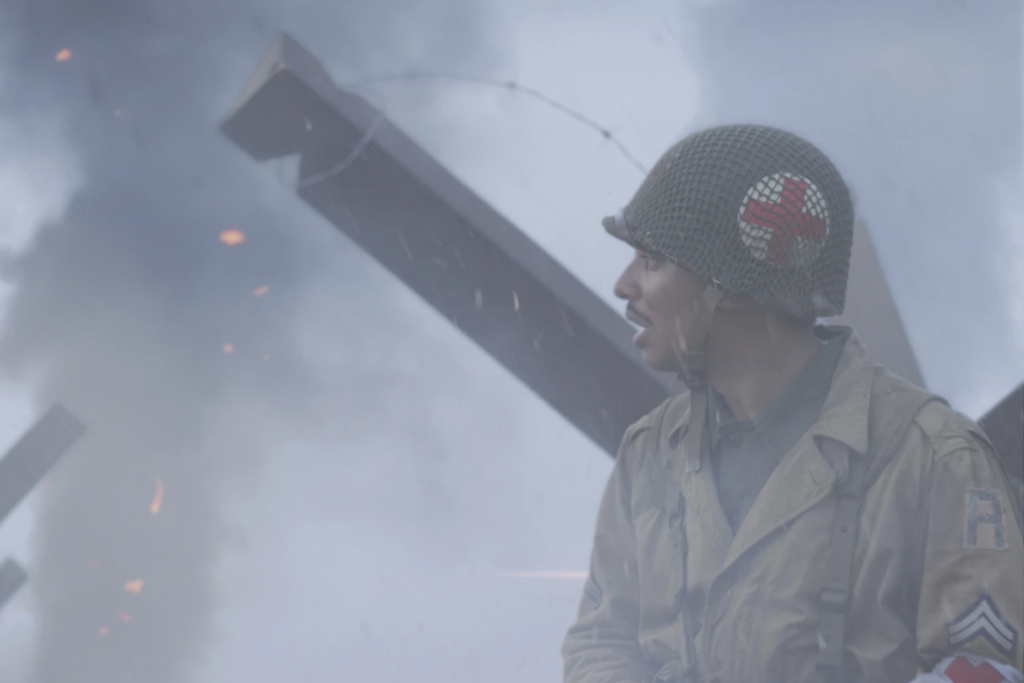
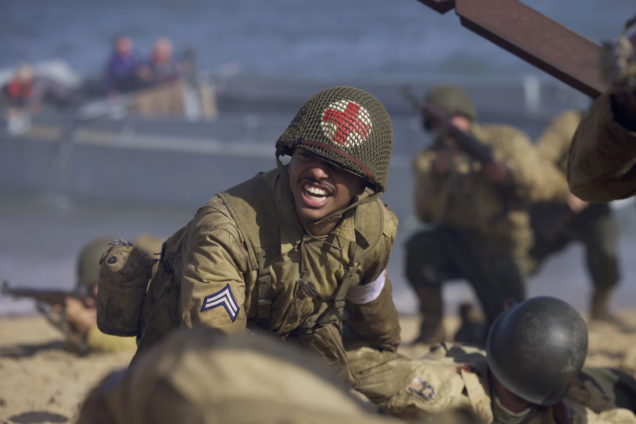
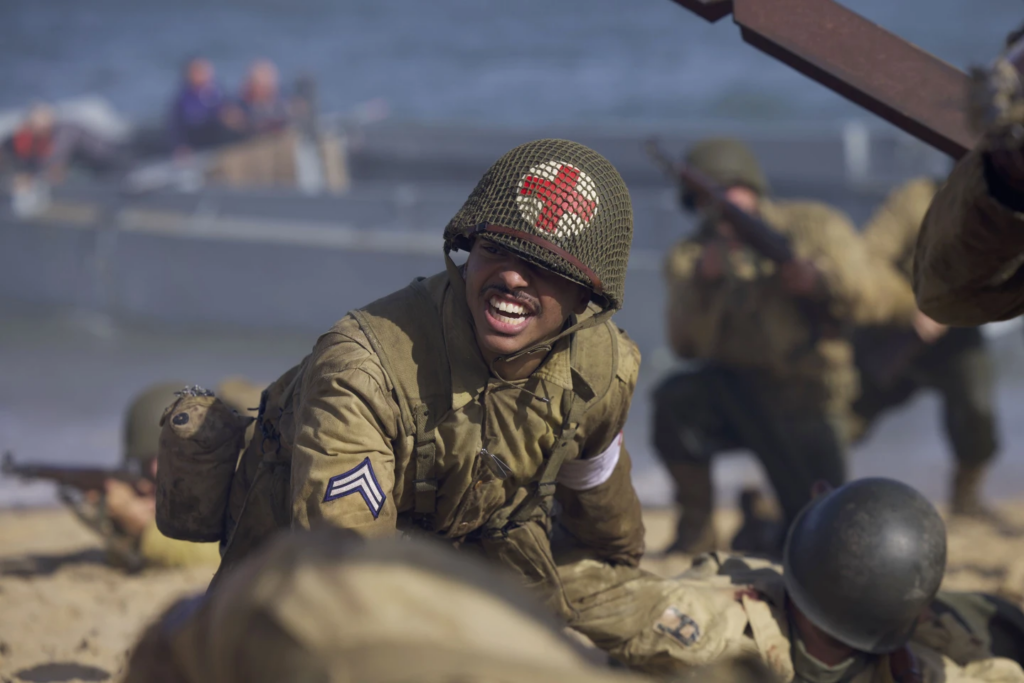
Her episode highlighted Waverly Woodson, Jr., a medic who was wounded by shrapnel during the landing but nevertheless spent the next 30 hours treating the wounded and the dying on Omaha Beach. He would note: “There’s no such thing as a colour barrier in action.”
Brown says that observation proved so powerful. “If your leg has just been blown off, you need a medic to help you. At that moment, you’re not going to say to Waverly, ‘No, I don’t want you to treat me.’”
Latest Stories
-
I assure Otumfuo, Mahama will join him to commission KNUST Teaching Hospital by end of this year – Haruna Iddrisu
39 minutes -
Gov’t to roll out free special education for persons with disabilities from July 1 – Education Minister
1 hour -
“We used it to test our officiating officials’ readiness” – Bawah Fuseini after CAA Athletics event
1 hour -
Volleyball emerges as Ghana’s fastest rising sport
2 hours -
National Sports Fund needs strong leadership from the top – Administrator David Wuaku
2 hours -
JoySports Exclusive: Steve McLaren in talks with GFA after expressing interest in Black Stars job
2 hours -
Fire guts auto parts warehouse at Bubuashie, one fire officer injured
2 hours -
I owe my victory to coach Ofori Asare – Allotey after winning WBA Africa Gold Super Flyweight belt
2 hours -
Church of Pentecost supports over 2,000 BECE candidates in Obuasi with career guidance seminar
4 hours -
Brandon Asante and Coventry all but promoted to Premier League despite Sheffield Wednesday draw
4 hours -
GPL 2025/26: Late Kwartemaa strike downs Hearts in Tema
4 hours -
Ghana Faces Sierra Leone Moment as Prosecutorial Powers come under strain
4 hours -
Don’t consume fish or seafood from Tema Shipyard until further notice – FDA warns
4 hours -
Why volunteering might be Africa’s most underrated career accelerator
5 hours -
ActionAid Ghana raises concern over gender gaps in Feed Ghana Programme
5 hours