

Audio By Carbonatix
The Dean of the Faculty of Law at the University of Professional Studies, Accra (UPSA), says government’s inability to complete all processes before terminating the GPGC contract, resulted in the $170 million judgment debt against the state.
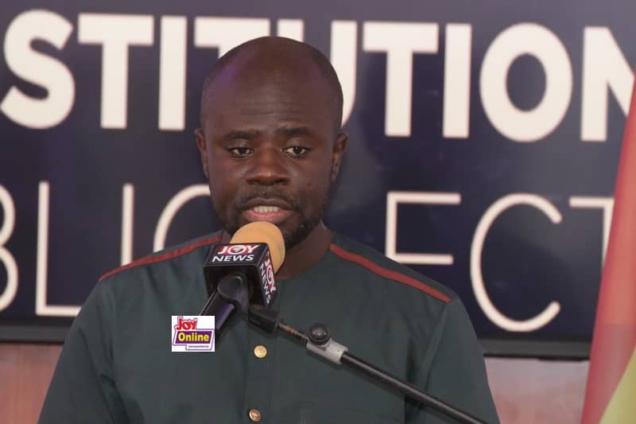
Prof. Ernest Kofi Abotsi, speaking on JoyNews’ Newsfile, Saturday, explained that, before contracts are terminated, there is an assessment of the balance of benefit and liability to inform the parties involved, whether to push forward and terminate or comply with the clauses in the contract.
Although holding the view that this procedure was followed by the government, Mr Abotsi noted that the processes were not completed to ensure the State is not hit with claims of damages.
“It appears to me that somehow, some calculations weren't done or some consultations weren't complete and in the process, it explains why we are here,” he told host Samson Lardy Anyenini.
He, therefore, questioned the bases on which government was advised to terminate the contract when indications showed government may be liable.
"The question is who are the people who are making those assessments? Those are assessments that can be done. There are lawyers whose field are simply to specialize in quantum assessment so they will advise properly on what steps to take."
“Everything depends on the calculation of your risk liability, i.e. If you should comply or terminate the contract, what is your cost? For the termination of your contract, your calculation should be, if you do not comply with the termination clause, what is your potential assessment of damages in case you are sued in court?
"So I have to do a commercial calculation and do an assessment of the balance of benefit and liability, and once I think it balances on the side of benefits, I go with benefit. I just terminate and go away."
“I suspect these were done but if they were done, then the question is, when the decision was taken not to comply with the Committee's decision, again what were the consultations? Who was speaking to who? What assessment was done? Ultimately, did we have clarity on how much it will cost if we terminate in compliance and breach of contract? he quizzed.
Prof. Kofi Abotsi revealed that an Attorney General can be held responsible for causing financial loss to the state if investigations prove there was negligence.
He said there is no immunity for the Attorney General in the 1992 constitution.
“He is liable if he fails to exercise skill and diligence" he stated.
Latest Stories
-
We will empower the grassroots and protect every vote – NPP’s 1st Vice Chair Kojo Bamba
28 seconds -
I do not see myself as better than anyone – NPP’s 1st Vice Chair Kojo Bamba
30 minutes -
Police blur the line between invitations and arrests – Reindorf Twumasi Ankrah
1 hour -
Turning invitations into arrests is making citizens reluctant to assist police – Twumasi Ankrah
2 hours -
The Traffitech-GH SMS spot-fine system: The good, the sad, and the funny – Bright Simons writes
2 hours -
Hawa Koomson pledges experienced and mature leadership of NPP women’s wing
3 hours -
Young woman found dead at Kasoa Peace Town
3 hours -
Playback: The Law examined lawful arrest in Ghana
4 hours -
Mahama urges African governments to treat healthcare as an investment, not budget cost
4 hours -
Bawumia congratulates John Boadu and new NPP executives, pledges support ahead of 2028
5 hours -
Aksa Energy delegation pays courtesy call on GRA Commissioner-General
5 hours -
‘No talent should be left out’ – Bawumia pledges inclusive NPP campaign for 2028
5 hours -
Prof. Mike Oquaye recounts how he blocked the Special Prosecutor’s attempt to arrest Bawku Central MP
5 hours -
Make health sovereignty a priority for Africa – Mahama
5 hours -
Dorimon Naa, Wa West DCE lead massive clean-up exercise; threaten sanctions against recalcitrant residents
5 hours