

Audio By Carbonatix
The Kwame Nkrumah University of Science and Technology (KNUST) and the French Embassy in Ghana have joined forces to explore how Artificial Intelligence can be purpose-built for Africa's most pressing development challenges.
Their collaboration, formalised through the Artificial Intelligence for Sustainable Development (AI4SD) Mini-Conference, has already yielded a crop disease detection toolkit, a smart indigenous weather application, and AI-powered tools for diagnosing rare diseases in newborns.
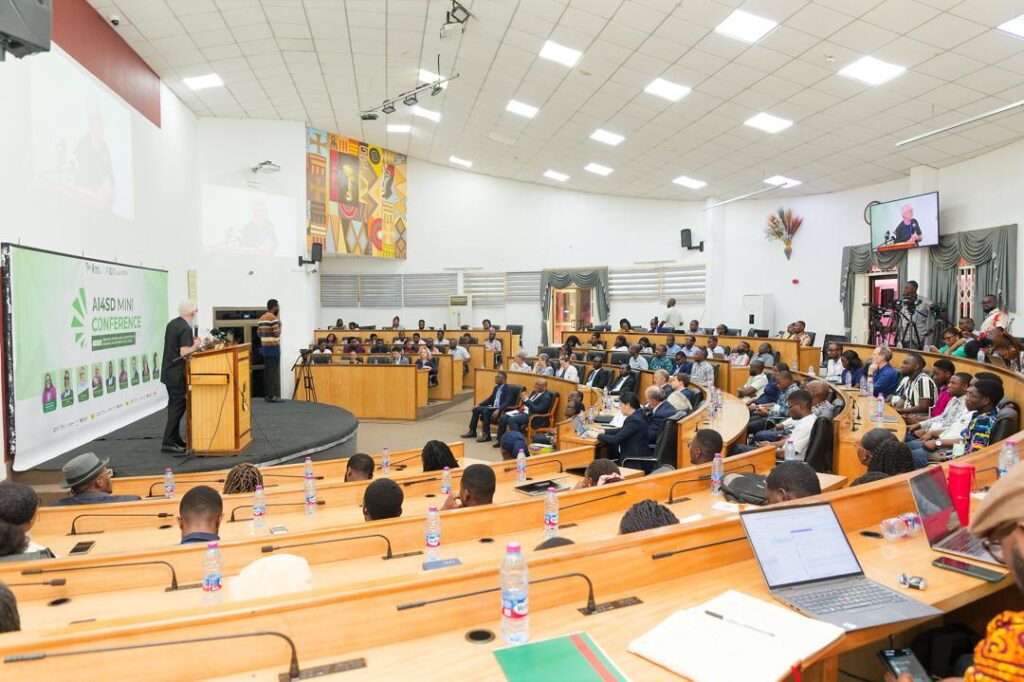
The synergy aims to support AI development to serve humanity and bridge the divide between the privileged and the marginalized.
The conference under the theme “Leveraging Artificial Intelligence for the Sustainable Development Goals,” formed part of broader, sustained efforts to anchor responsible AI research within Ghana's local development context.
The Conference sets the SDGs as immeasurable targets that technology can help achieve to solve local Ghanaian problems.
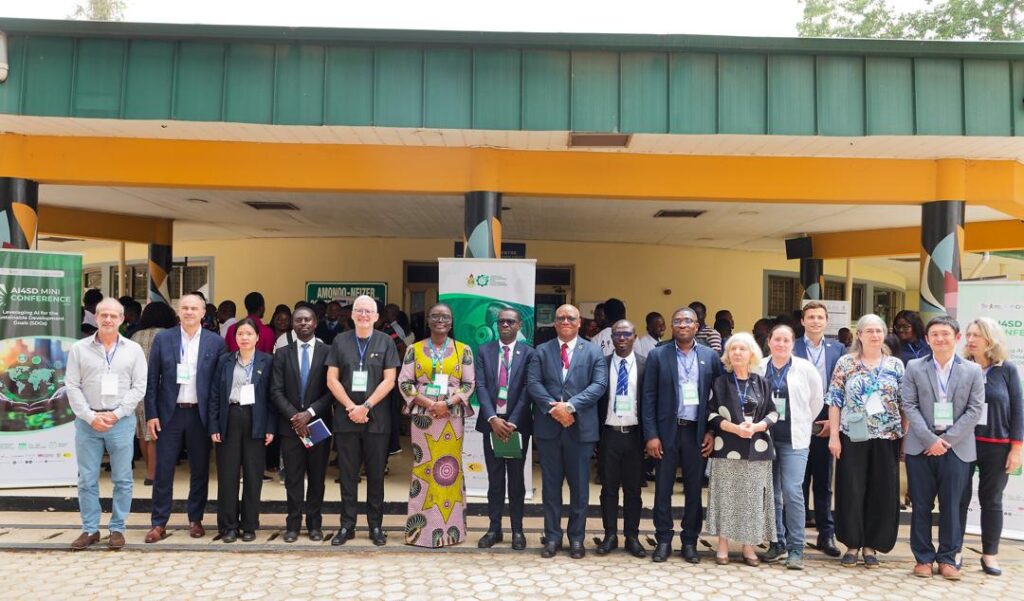
Project Lead for AI for Sustainable Development (AI4SD) project, Professor Jerry John Kponyo, framed the gathering's ambition challenging participants to think of AI not as an abstraction but as infrastructure, whose design choices determine who benefits and who is left behind.
He says the AI4SD project has already moved well past the conceptual stage, with working tools deployed in agriculture and maternal and child health settings.
“We are here to not only discuss technology in the abstract but to examine how AI can be designed and deployed to be context-aware, inclusive and sustainable, directly supporting the sustainable development goals that define our collective future,” he said.
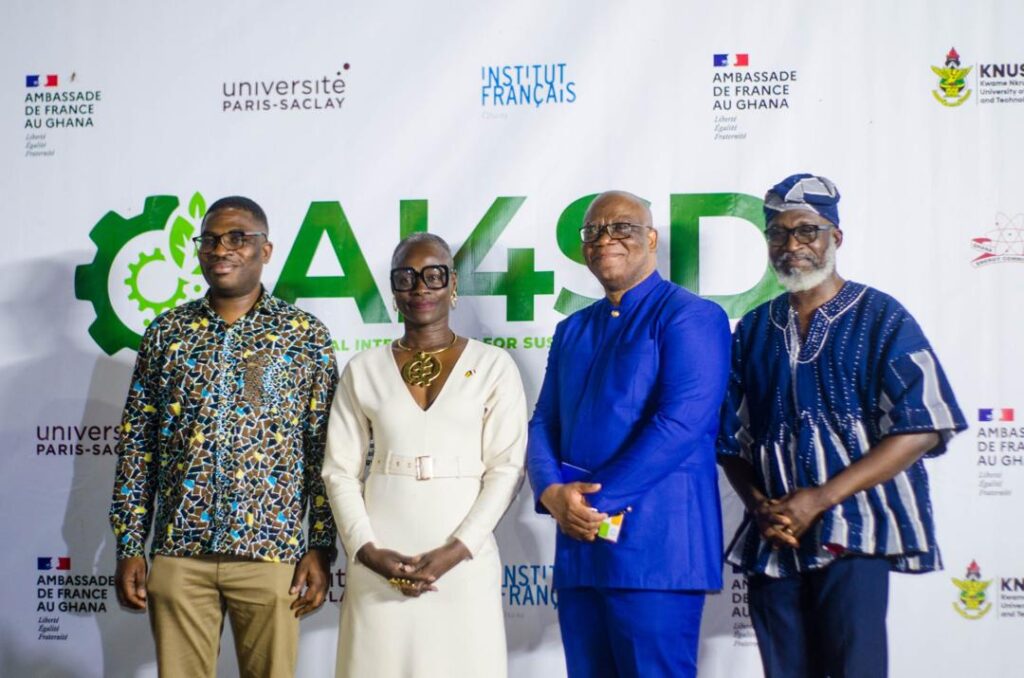
The Vice-Chancellor of KNUST, Professor Rita Akosua Dickson lauded the joint effort, and urged stakeholders to assess where progress had stalled and where acceleration is possible to maximize gains in the AI development sector.
“I encourage and challenge you to do an assessment of where we are, and what can be done to tick all the boxes. We are not looking for a closure but see the project as a stepping stone to greater synergy for magnified impact,” she said.
Head of Cooperation and Cultural Action at the French Embassy in Ghana, Julien Lecas says the value of AI lies in designers’ ability to build AI systems tailored for context-based challenges.
He described the conference as a meaningful step forward in building the kind of collaborative infrastructure that can move ideas from research papers into communities.
“Where AI meets the SDGs depends on who designs it. Every country has their tailored challenges that designers can take advantage of. The conference creates an opportunity for shared knowledge and idea exchange” he said.
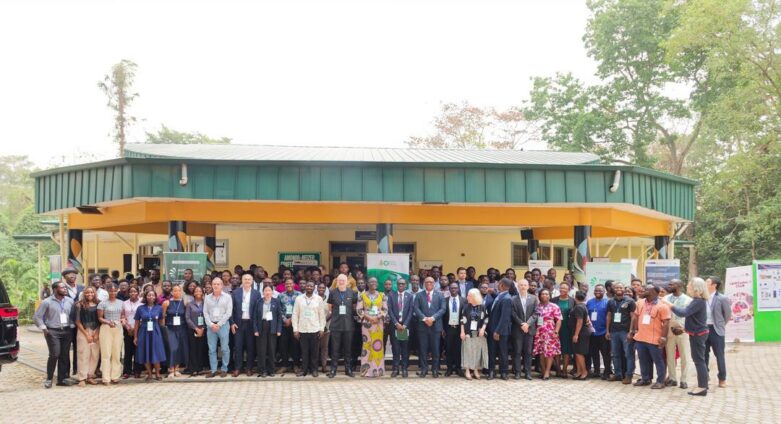
The three-day event in Kumasi drew researchers, innovators, policymakers and students together.
Latest Stories
-
Ghanaian entrepreneur Mary Nyamekye Asamoah wins Africa Travel 100 award
1 minute -
Obuasi SHTS abuse: Sanction all officials who failed to act – Moving Masculinity
7 minutes -
Lucy Agyepong honoured for excellence in engineering education at maiden GAAS Women’s Awards
9 minutes -
Harriet Afia Konadu Asiedu
16 minutes -
AFCON 2027: Sports Minister ‘convinced’ Black Stars will qualify despite losing opening two games
18 minutes -
CUTS welcomes VAT collection on cross-border digital services, urges fair treatment of Distance Learning students on overseas programmes
22 minutes -
Leave the Chiefs and fix the Galamsey Problem: Dr Solomon Owusu Advises President Mahama
25 minutes -
Pay attention to teachers and give them what is due – Ho District GNAT tells government
28 minutes -
Authorities knew of abuse allegations against Obuasi headmaster months before suspension – JoyNews investigation
33 minutes -
US teenager appears in court over alleged Hindu temple shooting plot
35 minutes -
Academic City donates paediatric rehabilitation staircase to Ga East Hospital
39 minutes -
Services drive 7.4% expansion in Ghana’s economic activity
51 minutes -
‘I don’t make music for awards, I make it to connect people’ – Rocky Dawuni
1 hour -
Farmer jailed for three months over assault on wife in viral video
1 hour -
Police arrest eight in Okaishie operation targeting illicit drugs and medicines
1 hour