

Audio By Carbonatix
Formal events, with their strict dress codes of black ties and suits, often present a conundrum in the African context, particularly in Ghana. The rigid adherence to Western formal wear can seem not only impractical but also culturally restrictive. The time has come to rethink these conventions and embrace attires that reflect both the climate and the rich cultural heritage of the region.
The Impracticality of Suits and Ties
Ghana's tropical climate is characterised by high temperatures and humidity. The traditional suit and tie, while suitable for temperate climates, become cumbersome and uncomfortable in Ghanaian conditions. The layers of a suit trap heat, making it unbearable for attendees to remain comfortable during events. Moreover, the tight collar and tie further exacerbate discomfort, often leading to an unpleasant experience that detracts from the occasion's enjoyment.
Embracing Cultural Attire
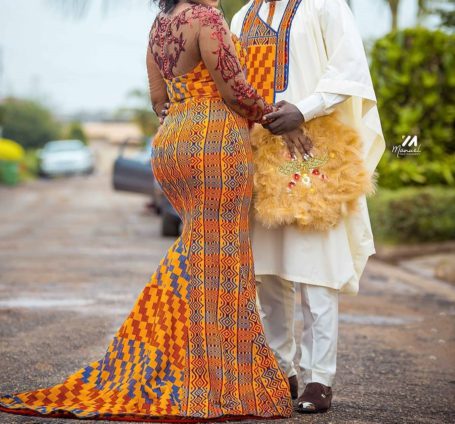
Ghana boasts a diverse and vibrant cultural heritage, with traditional attire that is both elegant and appropriate for the climate. The rich textures and patterns of kente cloth, the flowing ease of agbada, and the simple sophistication of batakari offer alternatives that are not only culturally significant but also more suitable for the weather.
For instance, a beautifully woven kente cloth can be just as formal and visually striking as a suit. Agbada, with its loose and airy design, provides comfort while maintaining a sense of grandeur appropriate for formal events. These garments not only allow for personal expression but also honour the cultural traditions that have been passed down through generations.
The Need for Flexibility
Introducing flexibility in dress codes for formal events can have several benefits. It can foster a sense of inclusivity, allowing attendees to express themselves in ways that are meaningful and comfortable. This flexibility can also promote cultural pride, showcasing the beauty and diversity of Ghanaian attire on a formal stage.
Event organisers can set guidelines that allow for a range of acceptable attire. For instance, men could choose between a traditional suit or a formal kente or agbada ensemble, while women might opt for elegant dresses or traditional gowns. This approach maintains the event's formal nature while accommodating cultural and climatic considerations.
Prescribed Colours for Uniformity
To achieve a certain aesthetic effect and maintain uniformity, specific colours for the alternative African attires can be prescribed. This ensures that the event retains a cohesive look while allowing for the diversity of traditional garments. For example, organisers might request all attendees wear variations of blue and gold, colors that symbolise tranquility and wealth in many African cultures. By coordinating colours, the event can achieve a visually harmonious and elegant atmosphere.
Modernising Traditions
Adapting dress codes does not mean abandoning tradition but rather modernising it to fit contemporary contexts. Just as Western cultures have evolved their formal attire over centuries, so too can Ghana. By incorporating traditional elements into formal dress codes, we create a unique blend that respects heritage while embracing modernity.
Conclusion
The insistence on black ties and suits at formal events in Ghana is increasingly seen as an unnecessary restriction that fails to account for the local climate and cultural richness. By allowing for alternative formal attire and prescribing specific colours for uniformity, we can create more inclusive, comfortable, and culturally resonant events. It's time to celebrate our heritage and climate through our dress codes, reflecting the true spirit of Ghanaian hospitality and elegance.
Latest Stories
-
Iran war lands ‘triple blow’ to flood-ravaged Sri Lankans
7 minutes -
Gunmen kill at least 11 people at Afghanistan picnic spot
21 minutes -
Woman, 25, in court for stealing baby at Bogoso
22 minutes -
Trump unveils giant gold-accented victory arch design for US capital
25 minutes -
We spoke to the man making viral Lego-style AI videos for Iran. Experts say it’s powerful propaganda
30 minutes -
Hungarians vote in big numbers on whether to end Orbán rule and elect rival
31 minutes -
At least 30 feared dead in crush at Haitian tourist site
31 minutes -
Boxing: Abdul Ahmed wins WBA Africa Cruiserwight title after dispatching Nigeria’s Eradeye
44 minutes -
Nearly 2,000 displaced, schools damaged as windstorm wreaks havoc in Gushegu
1 hour -
Ghana’s Derrick Kohn to work under Marie-Louise Eta as she becomes first woman to coach men’s Bundesliga team
1 hour -
Accra Open Championships conclude with strong performances ahead of African Championships
1 hour -
Ghana to begin camping with 12 athletes after Accra Open Championships – Bawa Fuseni
2 hours -
Anthony Joshua declines showdown with Tyson Fury but admits they ‘probably’ clash next
2 hours -
Tyson Fury dominates Makhmudov, calls out Joshua next
2 hours -
I have supported highway authority financially to fix roads in my constituency – A Plus
3 hours