

Audio By Carbonatix
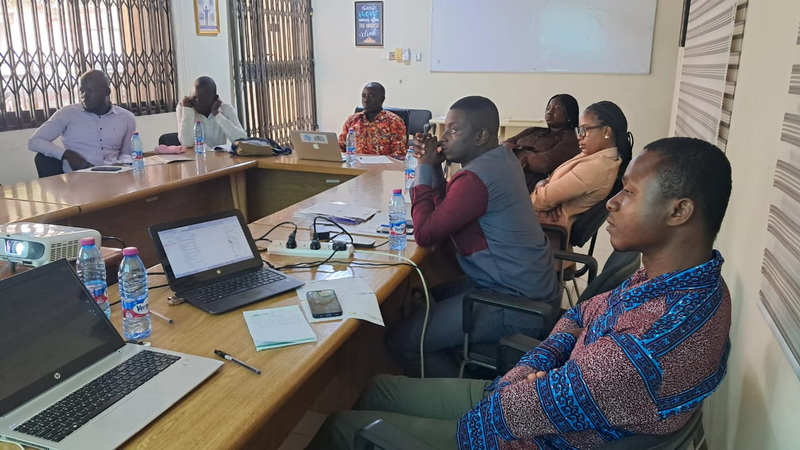
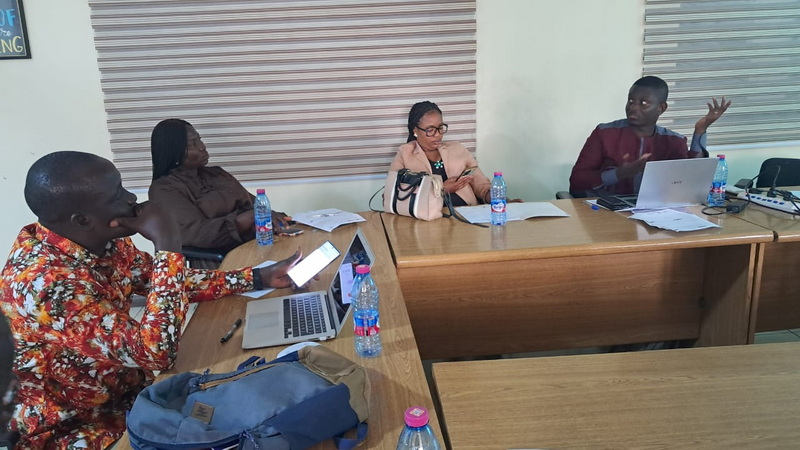
In a PowerPoint presentation at a one-day training workshop for selected journalists from various media organisations, the Legal Resources Centre sounded a stark alarm on Ghana’s escalating road safety crisis, moving beyond mere legalities to a life-or-death plea for systemic change.
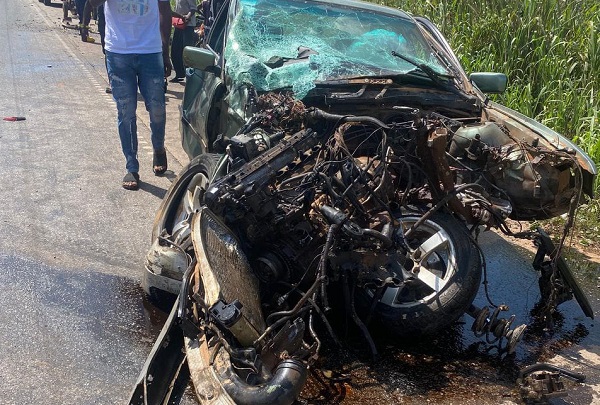
The session, which engaged media professionals in road safety, peeled back the layers on two critical fronts, which are the lack of standards for motorbike helmets and the fatal omission of safety in the nation’s road designs.
In his presentation, Enock Jengre, Project Coordinator at the Legal Resources Centre, began with a simple analogy.
“We equate your head to an egg,” he stated. “Once you have an egg inside your palm, just drop it… It will break. That is how the head is when you’re on a motorbike.”
This gloomy picture he painted underscored a critical gap in Ghana’s Road Traffic Act.
While Section 16 mandates helmet use, it fails to define what kind of helmet offers genuine protection.
“That is where the gap is,” Mr Denise Yerib, Programmes Officer of the National Road Safety Authority (NRSA), explained, revealing that after years of advocacy, they are now working with the Ghana Standards Authority to develop a mandatory helmet standard, a crucial first step in a long-overdue safety overhaul.
Enock Jengre appealed to the government to factor road safety into the flagship 24-hour economy policy, with experts arguing that road safety must not be left out, especially regarding street lighting.
The workshop also highlighted a crippling lack of collaboration; a potential solution,
The long-stalled National Roads Authority Act was discussed extensively.
The act, passed by Parliament but never received presidential assent, aims to consolidate fragmented road agencies into one powerful authority to end bureaucratic buck-passing.
Legal Resources Centre’s training workshop culminated in a resounding call to action.
It was a plea to move beyond economic calculations and prioritise human life.
The message was clear: having a helmet standard is vital, but without safer road designs, dedicated lanes, and cohesive government action, the nation’s roads will continue to claim lives at an alarming rate.
The training was not just a lesson in safety but a compelling charge for a national rethink.
The training gained statistics from a supporting presentation by Mr Yerib.
Mr Yerib revealed that from January to August 2025 alone, there were 1,575 motorbike crashes.
The NRSA further highlighted that speeding (driving too fast) contributes to more than 60% of all collisions in Ghana, underlining most other causes like improper overtaking and loss of control.
The statistics compound the concern over an explosive 1,547 increment of motorbikes on Ghanaian roads.
“If you look at the statistics, it means that we have to also think ahead,” Mr Denise Yerib urged, calling for a fundamental redesign of Ghana’s roads.
He pointed to ongoing constructions, like the Nsawam to Pokuase road, asking a critical question: “Are we factoring in issues of having lanes for the motorbikes, for bicycles, and for the Okada or tricycles?”
Latest Stories
-
Atta Akyea denies seeking presidential pardon for Wontumi in galamsey case
19 minutes -
Photos: Mahama commissions 85-bed Police Hospital ward, donates two ambulances
28 minutes -
GTEC directs Ghana’s public universities to reopen by October 16 and begin lectures on October 19
29 minutes -
Star Oil donates GH¢1million towards construction of new CID facility
33 minutes -
Court hands Adjetey Sowah, two others lifetime bans after Amputee Football legal dispute
43 minutes -
NDC appoints Julius Kwame Anthony as a Deputy Communications Director
43 minutes -
Ghana repatriates 120 Nigerians rescued from suspected cybercrime centres
47 minutes -
NPP rejects Emelia Agbenyo’s appointment as Deputy EC Chair, demands withdrawal
52 minutes -
EOCO grants Suame MP John Darko enquiry bail in GH¢27m SIC investigation
55 minutes -
NPP cannot question EC appointment after appointing own people to Commission – Kwakye Ofosu
1 hour -
BoG deepens public trust with regional stakeholder forum in Techiman
1 hour -
‘We have turned the tide’ – Ato Forson says Ghana is ready to take off
1 hour -
Police arrest man captured in viral video assaulting wife in Agona Nkwanta
1 hour -
KATH Mother and Baby Unit construction stalled for 14 months over unpaid contractor arrears
2 hours -
Government wanted to ‘tilt the balance’ with new EC appointments – Kwakye Ofosu
2 hours