

Audio By Carbonatix
Speaker of Parliament Alban Sumana Kingsford Bagbin, on Saturday said the legislature, being the bedrock of democracy, should lead in the compilation of the next Constitution due to its representative composure and ability to make laws, compared to other arms of government.
He said the situation where the Executive and Judiciary towered above the Legislature in terms of nomenclature needed a second consideration, as modern democracies were turning to the reality.
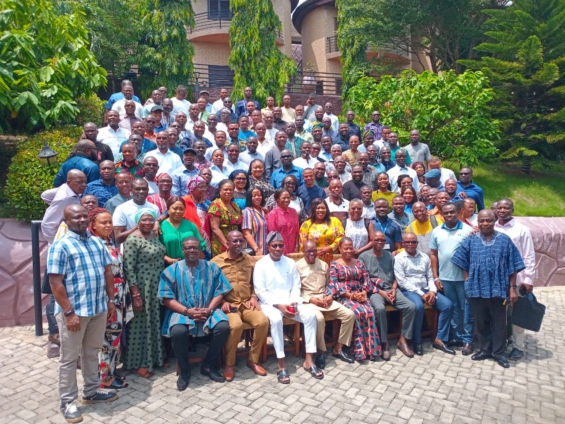
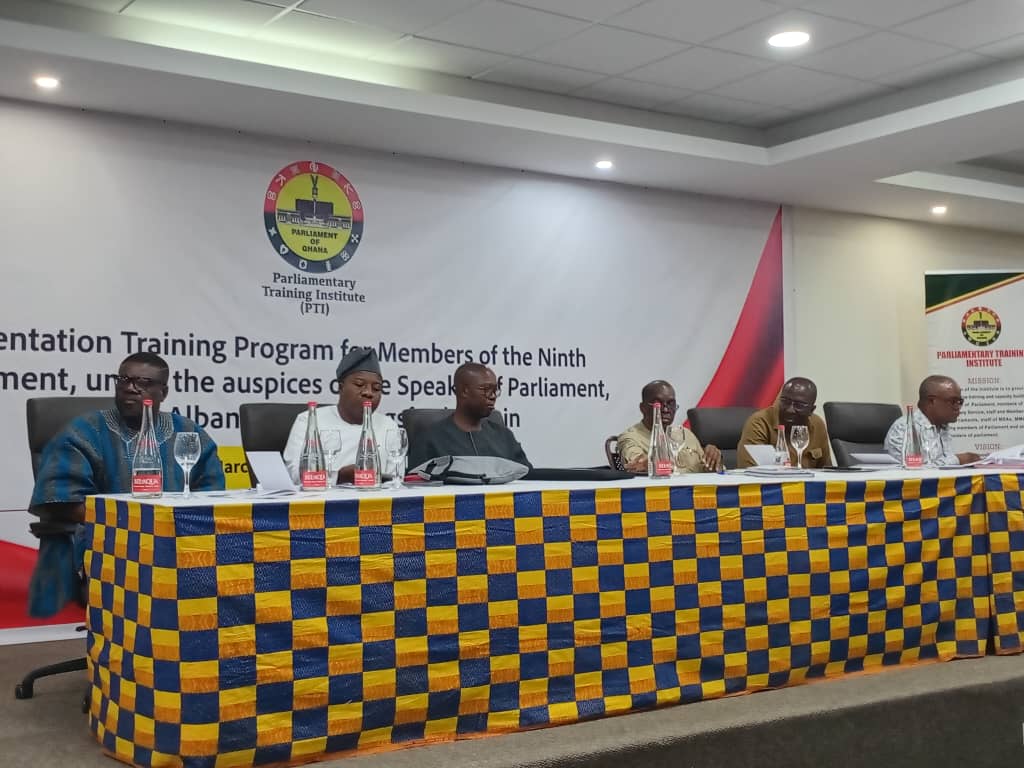
Speaker Bagbin made these statements at the opening of the three-day orientation programme for Members of the 9th Parliament (MPs) in Ho.
The orientation programme was however, boycotted by the Minority side of Parliament who cited ‘high-cost’ implications for bringing the training programme out of the chamber.
The programme was organised by the Parliamentary Service and the Parliamentary Training Institute (PTI), to orient the legislators to discharge their mandate of legislation, deliberation, oversight, investigation and other regulatory functions effectively and efficiently.
Speaker Bagbin indicated that the heartbeat of democracy the world over was the legislature and it must be understood as the nerve-centre of the people to effectively position itself for the recognition.
He indicated that the next four years offered a critical opportunity for a turn-around towards making MPs more attractive than the other arms of government and urged members to rewrite a new story for themselves and live it.
The Speaker further urged the members to ensure that their presence in the house was positively felt and they themselves being impacted and not just becoming ‘a passing through,’ saying it should be a two-way scenario.
He admonished the MPs to focus, serve and sacrifice adding, “Don’t allow your political differences to enslave you, or be enslaved by our history.”
Speaker Bagbin paid glowing tribute to Dr Ibn Chambas, Madam Shirley Ayorkor Botchwey and Ms Hanna Tetteh, all former MPs, who were presently serving in various capacities globally, as dividend of hard work and tenacity of purpose.
He said new MPs had given him tremendous hope in their ability to learn fast and he was expectant of a blissful future for Parliament.
Mr. Ebenezer Ahumah Djietror, the Clerk of Parliament, explained that MPs shouldered the critical responsibility of law-making, oversight representation, control of the purse, conflict and grievance resolution, amongst others that required profound understanding of parliamentary practice and procedure, the rules of engagement and the institutional framework within which a legislator operated.
He stated that while the task ahead was daunting, it was not unsurmountable, saying the dynamic interplay of constituents’ prescriptions for their role and formal roles as MPs as envisaged under the Constitution, would undoubtedly require a careful balance for their survival.
He said the Speaker had pledged his commitment towards ensuring that MPs were well equipped to deliver on their constitutional mandate, through the organisation of more of such training programmes, to help build their capacities.
Again, the Parliamentary Service remained steadfast in its commitment to providing MPs with the necessary procedural, legal technical and administrative support services required, to facilitate their work as MPs, he said.
Mr. Djietror said Parliament was a distinct institution with its own unique set of norms and rules of engagement and urged MPs to make continuous efforts to acquire knowledge, leveraging the experiences of seasoned members, to gain comprehensive understanding of the complexities and dynamics of their work.
Mr. Mahama Ayariga, the Majority Leader, said the orientation offered an opportunity to learn and reflect on the values that should guide members in the next four years, to ensure that Ghana maintained its admiration across the continent and beyond.
“For us to continue to maintain such high standards, remain in the same position, and maintain the envy of the rest of the world, we must build our skills, competencies, to strengthen our parliament, through the acquisition of the needed tools and ensuring their effective utilisation for our growth,” he said.
Topics to be explored at the training include the rights of the majority and minority caucus of parliament, conflict management, consensus building in a majoritarian legislature, the legislative process, private members bills, and the art of reviewing and analysing legislation.
Others involve mastering the rules of procedure, skills in advocacy, lobbying and negotiation for legislators and scrutinising the budget and economic policy of the government.
Latest Stories
-
Brandon Asante and Coventry all but promoted to Premier League despite Sheffield Wednesday draw
10 minutes -
GPL 2025/26: Late Kwartemaa strike downs Hearts in Tema
16 minutes -
Ghana Faces Sierra Leone Moment as Prosecutorial Powers come under strain
26 minutes -
Don’t consume fish or seafood from Tema Shipyard until further notice – FDA warns
31 minutes -
Why volunteering might be Africa’s most underrated career accelerator
37 minutes -
ActionAid Ghana raises concern over gender gaps in Feed Ghana Programme
39 minutes -
Windstorm wreaks havoc in Gushegu, displacing nearly 2,000 residents and damaging schools
41 minutes -
Friends of Bridget Bonnie Marks her 35th birthday with donation to Kasseh Model Health Centre
1 hour -
From Ekumfi Kokodo to the Pulpit Stage: Essi Donkor’s gospel journey takes shape
2 hours -
Landfilling waste management creates no value, it’s an economic waste
2 hours -
Photos: Speaker Bagbin Commissions MPs constituency office under parliamentary decentralisation programme
2 hours -
Black Stars technical advisor Winfried Schäfer sacked as GFA shakes up backroom staff
2 hours -
Wenchi water project almost complete, critical to gov’t agenda – GWL MD
3 hours -
Anti-LGBTQ+ bill not part of government’s legislative agenda – Inusah Fuseini
3 hours -
Anti-LGBTQ Bill: Forget the rumour mongers, I’m a man of action, and will pass the bill – Speaker
3 hours