

Audio By Carbonatix
The decision to release water from a dam, knowing full well the effects on local communities and the economy, is never an easy one for the management of any dam. Dams are typically constructed to withstand periods of severe weather. A dam's design and construction account for all potential repercussions. But when a dam's integrity is in jeopardy, even the smallest delay or action could be the difference between a localised problem and a global catastrophe.
Libya’s Dams’ Collapse: The Facts
- More than 11,000 people have been killed and tens of thousands are missing following the catastrophic failures of two dams in Libya’s Derna City in the aftermath of hurricane-strength Storm Daniel on the night of September 10–11, 2023. It ravaged a quarter of the city, destroying entire neighbourhoods and sweeping people out to sea.
- The first dam to collapse in the disaster was the Abu Mansur dam, 13 kilometres (eight miles) from Derna, whose reservoir held 22.5 million cubic metres (nearly 800 million cubic feet) of water.
- The deluge then broke Al Bilad, the second dam, which had a capacity of 1.5 million cubic metres and is just a kilometre from the coastal city. The dams’ collapse released an estimated 30 million cubic metres (39 million cubic yards) of water, causing flooding downstream as the Wadi Derna overflowed its banks. The floods partially destroyed the city of Derna.
- The event was the second-deadliest dam failure in history, after the 1975 Banqiao Dam failure in China. Decades of disregard for the area have been blamed for the severity of the calamity in Derna. Libyan prosecutors and dam engineering experts have blamed the disaster on "bad management" and negligence, for which eight managers of the dam responsible for water resources and dam management stand jail terms.
VRA’s Dam Spillage: The Facts
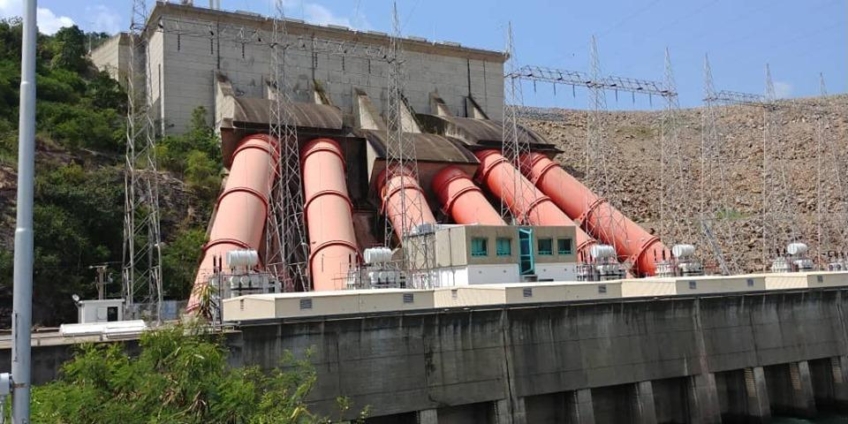
- The Volta River Authority (VRA) on September 15, 2023, began controlled spilling at the Akosombo and Kpong Dams as a result of too much water in both reservoirs. A rough estimate of 26,000 people, as of October 17, 2023, had been displaced as a result of the spillage. Since the construction of the Akosombo Dam, which receives water from six separate tributaries, this is the largest magnitude of displacement and volume recorded.
- The spilling was necessitated by the fact that the water level in the dams’ reservoirs had reached their safe operating level at this time of the year, thus the need to release water from the reservoir to make room to be able to accommodate incoming flows. Without overflowing, the water might topple the dam, jeopardising its structural integrity. The VRA is observing water levels both upstream and downstream of the Akosombo and Kpong dams.
- In May 2023, prior to the ongoing spilling, the VRA held a simulation exercise dubbed "Da Wo Ho So 2023" to test its emergency preparedness plan and to ensure that all relevant stakeholders were well prepared for any incidence of flooding. The exercise involved over 10,000 people, including residents of communities downstream of the Akosombo Dam, government officials, and representatives of non-governmental organisations. The simulation, which was run to test the resilience and effectiveness of the EPP, took place in the Asuogyaman, Ada East, and North Tongu districts of the Eastern, Greater Accra, and Volta Regions.
- Official accounts indicate that there have been no casualties (drowning, deaths, etc.) because those surrounding the banks heeded prior warnings and complied with evacuation measures. The VRA has committed to GHC 20 million cedis as relief efforts continue.
- This is not the first time the VRA has spilled water from the dam. Spills were carried out in the 1960s, 1970s, and 1990s, with the most recent one being in 2010.
Avoiding dam failure
A dam's failure can be prevented. That is, if the dam operators open the gates to discharge the water in a sensible, “controlled” manner, according to Technical Researcher Philip Faley. To disregard a heavy downpour like that in Libya meant calamity was inevitable, and that was what officials in charge of the dam's water management should have avoided. In Ghana, the VRA had planned to carry out the spill this October, but technical observations and meteorological warnings forced the Authority to do so in the middle of September. Delaying the spill for another day, according to the dam's engineers, may have been disastrous.
Faley urges dam managers, the government, and key stakeholders to be directed by a dam’s design data to take measures to avoid any incident; they should also be aware of what to do in the event of a dam failure. The Volta River Authority, manager of both the Akosombo and Kpong Dams in Ghana, has an Emergency Preparedness Plan (EPP) in place to deal with crises like spills. This plan is a thorough guide that specifies the duties that will be expected of all pertinent individuals in the case of an emergency, and it is in line with this that the organisation conducted the ongoing spillage and its attendant evacuation exercises.
Moreover, other safety precautions concern housing and other construction projects. Technical Researcher Faley says poor planning was seen in the case of Libya. It was improper to build homes in the areas downstream from the dams. In the end, if the engineers on site had released the water from the reservoir as soon as the storm started, the disaster would have been avoided, or at the very least the damages might have been limited.
Protecting a Dam’s Integrity
Regardless of how they are built, dams contain safety features that allow water to be released during storms to prevent the maximum carrying capacity from being reached. Several researchers have identified foundation issues, inadequate spillways, subpar construction, and uneven settlement as the most common causes of dam breaches. To avert any dangers, a dam should have all its components examined as part of a routine inspection schedule by the managers. In Faley’s expert opinion, dam management was the challenge in the Libyan situation.
For the VRA, regular inspections on the Akosombo and Kpong Dams have resulted in several retrofits over the years, the most recent in 2016. It involved upgrading the dam's electrical and control systems, replacing the dam's turbines and generators, upgrading the dam's spillway gates, and strengthening the dam's concrete structure. This retrofit project improved the dam's performance and extended its lifespan by 30–40 years.
In his assessment of Libya's situation, Faley explains that the collapse of the dams would have resulted in less damage if the gates had been opened to keep water within the dam's carrying capacity. In Ghana's situation, however, the VRA exercised care and promptly opened the spill gates; even if the outcome is unpleasant, it could have been disastrous, considering what happened in Libya.
Latest Stories
-
Afoko can give NPP ‘new identity’ ahead of 2028 to overcome NDC – Political scientist, Dr Amakye-Boateng
7 minutes -
2 injured amid gunshots during raid at Nawara Mining office at Nsuapemso
11 minutes -
St Augustine’s College retains 2026 National Investment Quiz title
15 minutes -
KNUST Nursing and Midwifery School staff recognised at 2026 Health Ministry Excellence Awards
23 minutes -
JoyNews’ Esther Esi Nkrumah selected for UK Media Excellence for Emerging Technology Fellowship
29 minutes -
Five NDC youth organisers in Western Region pay courtesy call on Armah-Kofi Buah
41 minutes -
NACOC demands tighter port controls to prevent Tema Harbour drug trafficking
44 minutes -
Ghana’s startup ecosystem must build sustainability into innovation – Ghana Hubs Network
55 minutes -
Friday’s beachfront demolition was carried out at Labadi Beach Hotel’s request, not for flood mitigation – Stan Dogbe
57 minutes -
LA 2028: Mukarama returns to Black Queens squad for Olympic Games qualifiers
58 minutes -
Fusaini Yakubu Abanga leads NPP National Youth Organiser race with 45% in Global InfoAnalytics poll
1 hour -
Suame Methodist JHS marks 120 years with a call for STEM innovation
1 hour -
Global fashion coalition launches in the heart of Kantamanto Market
1 hour -
‘No concrete commitments from government’ – Brong Ahafo teacher unions maintain strike
2 hours -
Finance Minister demands greater returns from NLA after GH¢10 million dividend presentation
2 hours