

Audio By Carbonatix
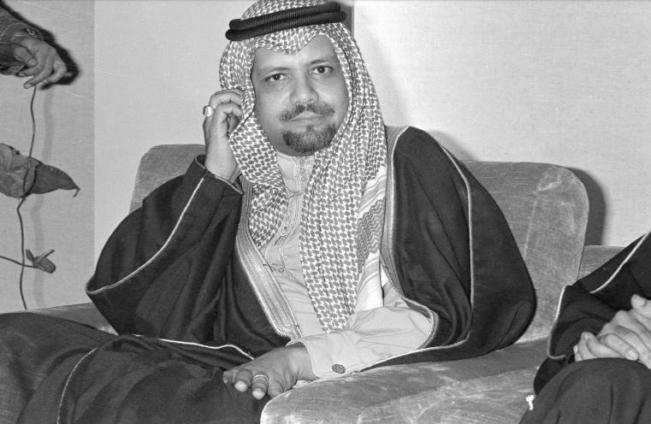
Ahmed Zaki Yamani – a long-serving oil minister in Saudi Arabia who led the kingdom through the 1973 oil crisis and the nationalisation of its state energy company, and later found himself kidnapped by the assassin Carlos the Jackal – has died in London. He was 90.
Saudi state television reported his death on Tuesday without mentioning a cause. It said he would be buried in the holy city of Mecca.
Known for his Western-style business suits and soft-spoken, measured tones, Yamani helped Saudi Arabia command a dominating presence in the Organization of the Petroleum Exporting Countries (OPEC) from its birth. The kingdom remains a heavyweight in the group even today and its decisions ripple through the oil industry, affecting prices from the barrel down to the gasoline pump.
“To the global oil industry, to politicians and senior civil servants, to journalists and to the world at large, Yamani became the representative, and indeed the symbol, of the new age of oil,” author Daniel Yergin wrote in his seminal book on the oil industry, The Prize.
“His visage, with his large, limpid, seemingly unblinking brown eyes and his clipped, slightly curved Van Dyke beard, became familiar the planet over.”
The ‘oil weapon’
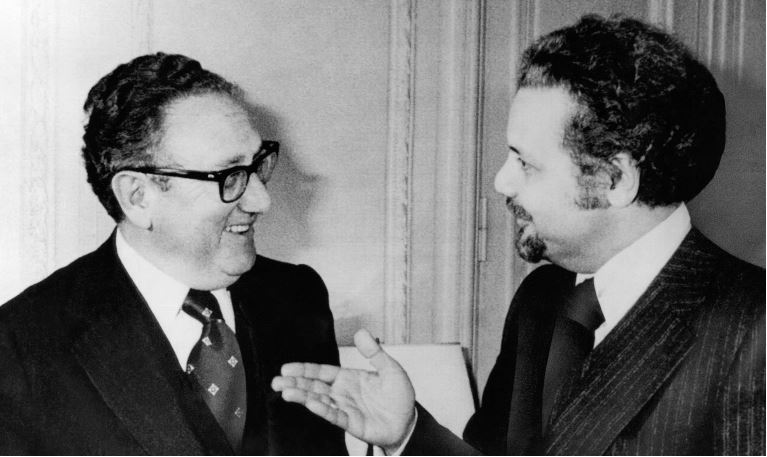
Yamani became oil minister in 1962 and would lead the ministry until 1986. He served a crucial role in the nascent oil cartel OPEC as producers around the world began to try to dictate prices to the world market previously dominated by the economic policies of Western nations.
Yamani was the first Saudi representative on OPEC’s board of governors in 1961. From his position, he became known for an ever-calm negotiating style that Saudi ministers after him sought to mimic.
But that style for an oil kingpin known by the honorific “the Sheikh” would be tested by the times, which included upheaval in the global energy market. That was especially true in the 1973 October War, in which Egypt, Syria, and its allies launched a surprise attack on Israel on the Jewish holy day of Yom Kippur.
When the US under President Richard Nixon moved to support Israel, Arab producers in OPEC agreed to cut their supply by 5 percent a month. When Nixon continued his support, the decision gave birth to what would become known as the “oil weapon” – a total embargo on the US and other countries.
Prices in the US would rise by 40 percent, leading to gasoline shortages and long lines at the pump. Oil prices globally would quadruple, leading to the wealth now seen across the Gulf Arab states today.
Taken hostage
In 1975, Yamani found himself twice at major moments in history.
He was there when a nephew of King Faisal assassinated the monarch in March.
In December, he found himself among those taken hostage at OPEC headquarters in Vienna, an attack that killed three people and saw 11 seized. The attack ended up seeing all the pro-Palestinian assailants, led by “Carlos the Jackal” and the hostages released.
Afterwards, Yamani described Carlos, a Venezuelan whose real name is Ilich Ramírez Sánchez, as a “ruthless terrorist who operates with cold-blooded, surgical precision”. From that moment on, Yamani travelled with an entourage of bodyguards everywhere he went.
Yamani also oversaw what would become the full nationalisation of the Arabian American Oil Co after the 1973 oil crisis. Today, it is better known as the Saudi Arabian Oil Co, or Aramco, a major employer for the kingdom and its main source of revenue.
In 1986, Saudi King Fahd dismissed Yamani in a terse statement carried by the state-run Saudi Press Agency. At the time, it was believed that Yamani disagreed with the king in his insistence OPEC work out a permanent system of production quotas and the kingdom would be given a bigger share of the total. Saudi Arabia ultimately went along with another interim arrangement.
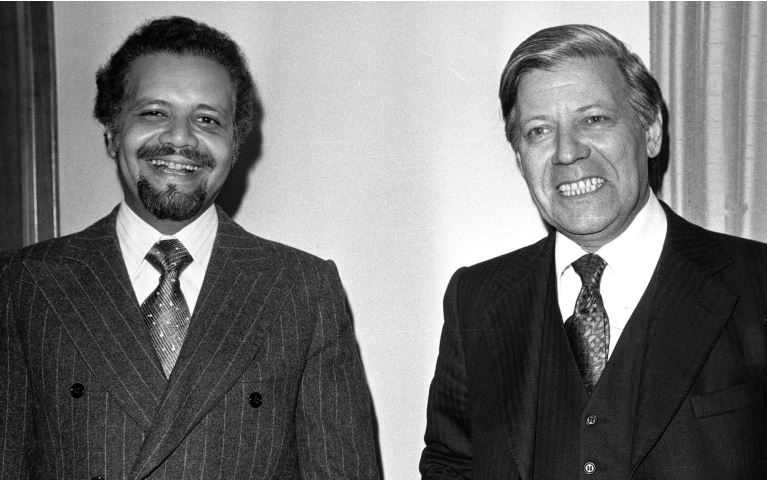
Yamani was born in Mecca in 1930. His father and grandfather were religious teachers and Islamic lawyers. He ultimately studied at New York University and Harvard. Twice married, he is survived by multiple children and grandchildren.
Latest Stories
-
Church of Pentecost supports over 2,000 BECE candidates in Obuasi with career guidance seminar
40 minutes -
Brandon Asante and Coventry all but promoted to Premier League despite Sheffield Wednesday draw
1 hour -
GPL 2025/26: Late Kwartemaa strike downs Hearts in Tema
1 hour -
Ghana Faces Sierra Leone Moment as Prosecutorial Powers come under strain
1 hour -
Don’t consume fish or seafood from Tema Shipyard until further notice – FDA warns
1 hour -
Why volunteering might be Africa’s most underrated career accelerator
1 hour -
ActionAid Ghana raises concern over gender gaps in Feed Ghana Programme
2 hours -
Windstorm wreaks havoc in Gushegu, displacing nearly 2,000 residents and damaging schools
2 hours -
Friends of Bridget Bonnie Marks her 35th birthday with donation to Kasseh Model Health Centre
2 hours -
From Ekumfi Kokodo to the Pulpit Stage: Essi Donkor’s gospel journey takes shape
3 hours -
Landfilling waste management creates no value, it’s an economic waste
3 hours -
Photos: Speaker Bagbin Commissions MPs constituency office under parliamentary decentralisation programme
3 hours -
Black Stars technical advisor Winfried Schäfer sacked as GFA shakes up backroom staff
3 hours -
Wenchi water project almost complete, critical to gov’t agenda – GWL MD
3 hours -
Anti-LGBTQ+ bill not part of government’s legislative agenda – Inusah Fuseini
3 hours