

Audio By Carbonatix
The 2015 Algiers Accord brought stability to the north of the country as jihadist violence was on the rise. The military took control of Mali following two coups in 2020 and 2021.
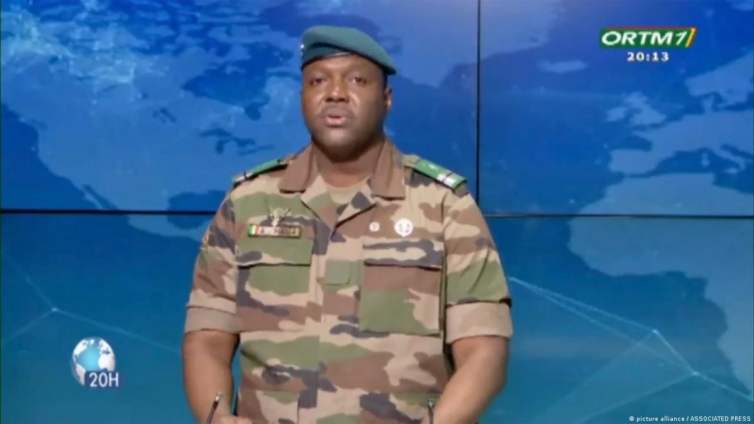
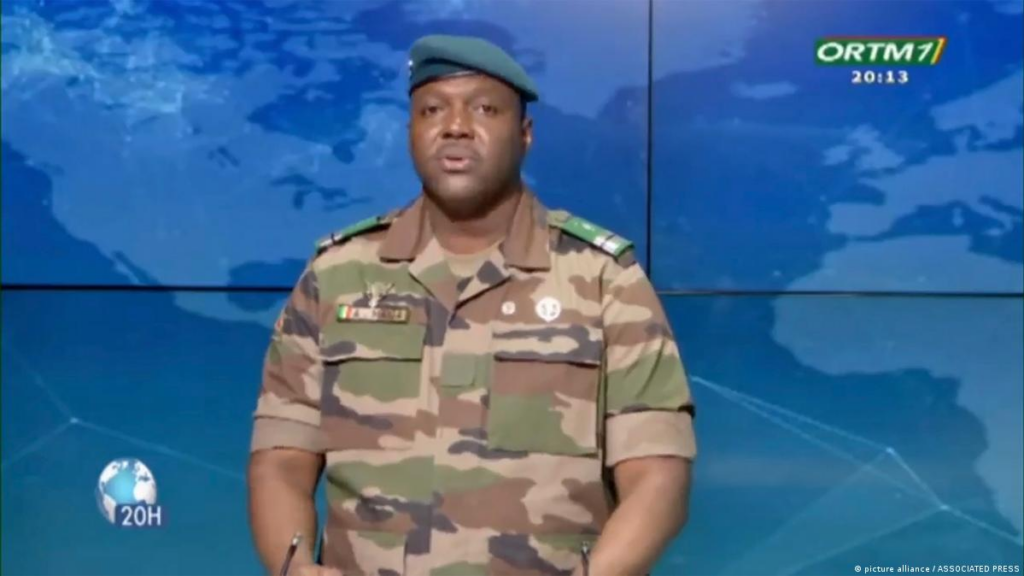
The military rulers of Mali have ended a major peace deal with Tuareg separatist rebels in the north of the country, government spokesperson Colonel Abdoulaye Maiga said in a televised statement on Thursday.
Maiga said the government "notes the complete impossibility of the deal… and in consequence announces its end, with immediate effect."
Rebels, grouped under the Coordination of Azawad Movements (CMA), had already accused the government in Bamako of "abandonment" of the peace deal in July 2022.
What was the peace deal?
The Algiers Accord was signed in 2015 with support from the UN. It had been considered an essential agreement to maintaining stability in the region that has seen a flare-up of jihadist violence since 2012.
The agreement aimed to see ex-rebels integrated into the national army and allowed for more autonomy for the various regions.
Mali's junta blamed a "change in posture of certain signatory groups" as well as "acts of hostility" from Algeria, the peace deal's main mediator.
Tensions have been increasing between Mali and Algeria, with the former accusing the latter of "interference" and "unfriendly acts."
Mali's government summoned the Algerian ambassador in December last year, saying that the diplomat had held meetings with the Tuareg separatists.
Violence and instability in Mali
There were already signs of the deal coming apart when fighting broke out between Mali's military and the separatists in August last year.
The West African country has undergone two coups since 2020, leading to military rule and a fallout with Western powers that had been present in Mali as part of a counterinsurgency operation.
The junta ordered UN peacekeeping troops to leave the country, as well as French troops who had been fighting insurgents in the north of Mali.
Their departure has been seen as an instigator for the upsurge in violence as both the government and separatist groups raced to fill up the vacuum.
Latest Stories
-
GAEC must retain nuclear scientists for Ghana’s nuclear ambitions – Minister
18 minutes -
Man reportedly mistaken for game and shot by hunter dead in forest
20 minutes -
19-year-old mason jailed 15 years for defiling seven-year-old pupil
25 minutes -
Ghana’s banking sector assets rise 20.47% to GH¢500.2bn – BoG Governor
29 minutes -
22 injured as Sprinter bus overturns at Sege after tyre burst
30 minutes -
UN housing expert urges Ghana to strengthen Rent Control Department amid housing affordability concerns
39 minutes -
Delta-BCI partnership reaches 166,000 people with breast cancer education
48 minutes -
Power restoration fault suspected in Kumasi Central Market fire
6 hours -
The 7-foot giant of Ngleshie Amanfro: Seven-foot Ghanaian Ephraim Saawa dreams of joining the national basketball team
7 hours -
Government promises support for Kumasi Central Market fire victims
7 hours -
Vibes The Movie: Big Ghun’s Ghanaian film earns five nominations at 2026 REFFA
7 hours -
‘I’m a fulfilled man’—Justice Korbieh on missing out on Supreme Court despite two nominations
7 hours -
MamaCare CEO warns unresolved conflicts among health workers could undermine maternal and neonatal care
8 hours -
Health professionals urged to translate medical knowledge into practice to save mothers
8 hours -
Retired judge Justice Francis Korbieh charges 1,568 new lawyers to uphold integrity
9 hours