

Audio By Carbonatix
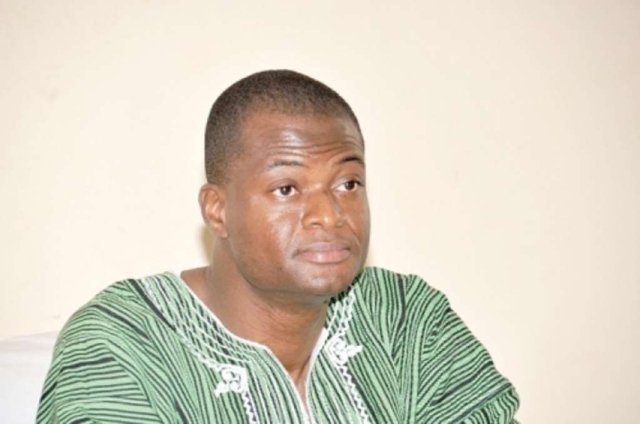
The Dean of the University of Ghana School of Law, Professor Raymond Akongburo Atuguba, has said many of the country’s laws are outmoded, making it difficult for people to adhere to ethical principles in the corporate world, particularly the banking sector.
“Our laws are not in tune with times; how do you determine ethics with such a legal framework?” he questioned.
Speaking at the GCB Platinum Thought Leadership Conference in Accra last Friday, Prof. Atuguba said the country still had about 10 English laws in its statutes passed between 1539 and 1863.
He said since the laws, including the Bills of Exchange Act, 1961 (ACT 55), were passed years ago, there had been significant developments which required that new laws were passed to align with current trends but that had not been done.
His presentation was on the topic: “Ethics, financial conduct and the political economy in Ghana and other emerging markets”.
He defined ethics as an extension of the law, hence it would be difficult for people to abide by the ethical principles that govern businesses.
The one-day conference brought together bankers and subject matter experts from the fields of finance and economics.
Present at the event were the President of the Council of Foreign Relations Ghana, Ambassador D. K. Osei; a former Vice-Chancellor of the University of Ghana, Prof. Ernest Aryeetey; the Head of the Economics Department of the University of Ghana, Prof. William Baah-Boateng, and the former Country Senior Partner of PwC Ghana, Felix Addo.
It featured discussions and presentations on various topics in the banking and finance sectors.
Prof. Atuguba mentioned the Public Procurement Act, 2003 (ACT 663), as one of the laws which was expensive to obey.
“The cost of obeying the Act surpasses the benefits the law is supposed to bring”, he said.
He added that it took the Supreme Court to declare portions of the Companies Act, 2019 (ACT 992) unconstitutional.
A seasoned banking professional with Growth and Investment Partners, Albert Kobina Essien, said challenges in procurement and the use of credits which led to the financial sector clean-up persisted in the banking sector.
“For most of the indigenous banks, we still have a challenge of proper credit delivery,” he said.
Latest Stories
-
Drug money allegedly finances Ghana’s political parties and real estate – Report
26 seconds -
NSA outlines seven steps for successful posting and validation of national service personnel
2 minutes -
GPRTU taskforce clamps down on unapproved fares at Kasoa
3 minutes -
Prime Insight: Making room for meaningful national conversations on Joy Prime
13 minutes -
FABAG commends Ato Forson’s over removal of 20% excise duty on locally manufactured fruit juices
20 minutes -
HIV stigma discourages testing, prevention and treatment in Ghana – Ghana AIDS Commission
23 minutes -
Blocking cocaine probe lends weight to claims of political protection for traffickers – Assin South MP
26 minutes -
NPP Vice Chair race: I may be the youngest, but most experienced – Nana B
29 minutes -
Last UK and US troops leave Iraq as anti-Islamic State mission ends
29 minutes -
Don’t stay home idle, embrace entrepreneurship while awaiting posting – Unemployed nurses urged
41 minutes -
Aayalolo buses not speeding on contra-flow lanes – GAPTE assures commuters
43 minutes -
Effia MP calls for Kurt Okraku’s removal, overhaul of Ghana football structure
44 minutes -
CAS hearing on AFCON final appeal by Senegalese Football Federation set for October 8
44 minutes -
STC fares to go up by up to 8% this week – Deputy MD
46 minutes -
Photos: Accra-Kumasi bypasses get new lease of life as contractors return to site
46 minutes