

Audio By Carbonatix
Ghana recorded 4,650 fire incidents between January and September 2024, raising serious concerns about public safety.
The recurrent market fires have affected countless individuals, leaving them grappling not only with the loss of their livelihoods but also enduring profound psychological impacts.
On January 2, 2025, another fire at Kantamanto Market in Accra destroyed properties and livelihoods, adding to the growing list of fires ravaging major markets nationwide. Beyond the statistics and destruction lie deeply emotional stories of resilience and despair.
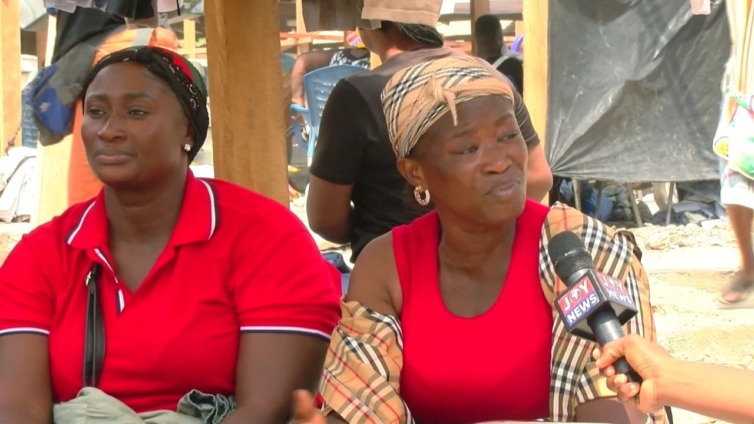
Barbara, a victim of the Kantamanto fire, shared her harrowing experience:
“When I saw the fire ravaging everything I owned, it felt as though my world was coming to an end. I had to be doused with water just to gather enough strength to stand again. I know it is only by God’s grace that I’m still here today. Every morning, I come back to this place because I have three children depending on me. Despite the devastation, I press on, knowing they rely on me for everything."
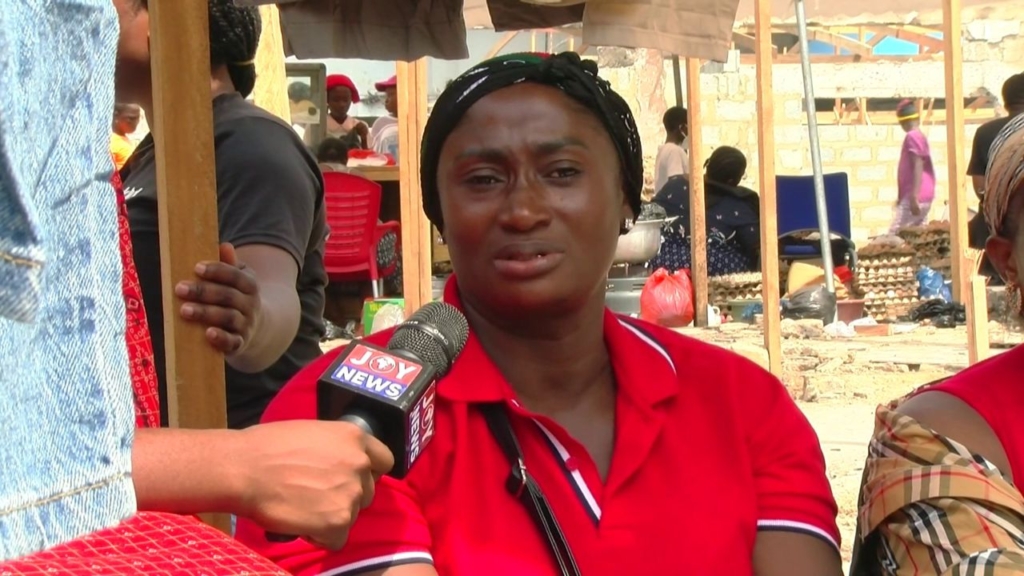
She added, "As a single parent, I work tirelessly every day just so my children can have a meal. But with this fire, I feel a deep sense of fear. The loss has been unbearable. Each day, I find myself wandering aimlessly, not knowing where to turn next. Every dawn is a reminder that I have nowhere to go, and the burden feels heavier each day."
Experiencing a fire, especially with the loss of one’s livelihood, can have a significant impact on mental health. Recovery is a long and challenging journey for those who lose everything.
Dr. Abigail Naa Ayeley Harding, a psychiatrist at Korle-Bu Teaching Hospital, highlighted the psychological toll of Ghana’s market fires.
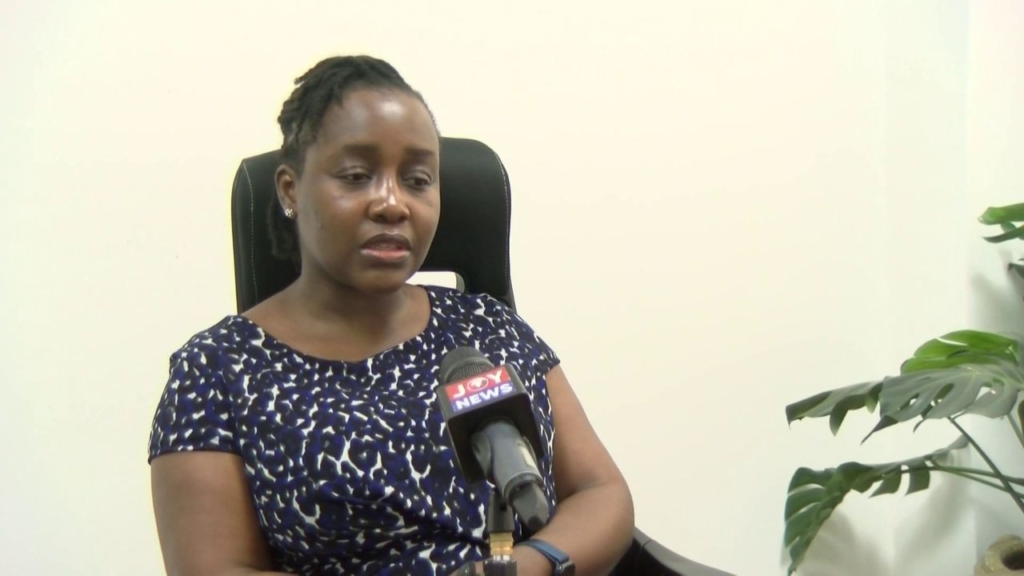
“In the early stages, it's common to feel overwhelming anxiety, constant worry, and a persistent sense of being troubled. Sleep disturbances, including restless nights. Many people feel a profound sense of hopelessness, struggling to see a way forward in the wake of their loss,” she explained.
Mental health professionals warn that the psychological effects of traumatic events often linger long after the crisis ends, underscoring the importance of seeking support.
Dr. Harding recommends leaning on loved ones, whether family or close friends, and seeking professional help from mental health specialists to gain valuable tools and coping strategies for managing the emotional aftermath.
The road to recovery is undoubtedly long and difficult, but with time, support, and professional guidance, survivors can begin to heal.
Latest Stories
-
Let The Constitution direct Chieftaincy to deliver “All Development Is Local”
15 minutes -
Ghana explores centre of excellence for hearing, communication and cochlear implant care
2 hours -
Schizophrenia-related disorders lead mental health cases recorded in Ghana
2 hours -
Dutch authorities enlist Ghana in hunt for fugitive drug lord Bolle Jos
2 hours -
Ghana housing finance conference adopts communiqué to improve affordable housing access
7 hours -
Special Initiatives Minister urges Wa Technical Institute to enrol more girls as EU-backed solar training lab opens
7 hours -
In the matter of my first year at the Bar
7 hours -
ActionAid Ghana calls for an end to child marriage, greater investment in girls’ rights
8 hours -
Newsfile to tackle World Cup visa scandal, beach demolitions, education strikes, BRICS bid
8 hours -
UK-Ghana Trade & Investment Summit: Trade Resource Centre to help businesses maximise UK-Ghana trade opportunities
8 hours -
Embassy of Denmark celebrates World Maritime Day
8 hours -
Linking LEAP to productive inclusion could cut extreme poverty by 2030 – UNICEF
9 hours -
Trade Ministry backs use of creative arts to rehabilitate prison inmates
9 hours -
Negotiations with government to continue despite strike suspension – GNAT
10 hours -
‘Ghana cannot afford to waste public resources; every cedi has a job’ – Ato Forson
10 hours