

Audio By Carbonatix
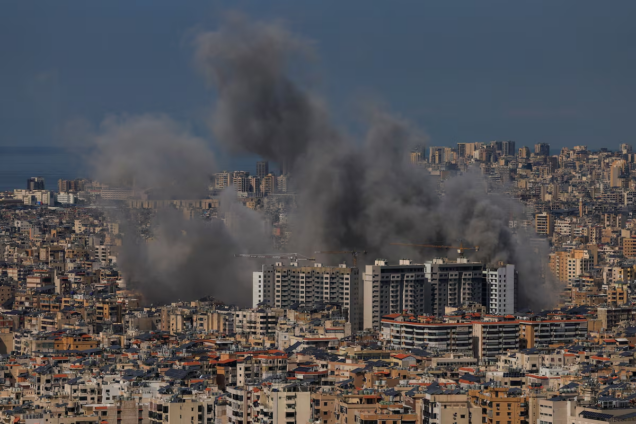
A new analysis shows that greenhouse gas emissions from the first 14 days of US and Israeli military attacks on Iran have exceeded 5 million tonnes of carbon dioxide.
This figure is higher than Iceland’s total emissions in 2024 and is also equivalent to the pollution produced by about 1.1 million gas-powered cars over a year and represents over $1.3 billion in climate-related damage, according to the analysis.
Published by the Climate Community Institute, the study by USA, UK and Ghana-based researchers Patrick Bigger, Benjamin Neimark, and Fred Otu-Larbi finds that the US and Israeli attacks have already killed thousands, displaced millions, and cost the US an estimated $16.5 billion.
Environmental harm from bombardment of oil refineries, desalination plants, and military facilities could double or triple in the next ten days, the authors warn. They emphasize that greenhouse gas emissions from war are often overlooked, despite being a major part of the humanitarian and economic damage. The study follows methods previously used to calculate climate impacts in Gaza and Ukraine.
The report highlights several factors that will drive emissions higher including the production and transport of new weapons as arsenals are depleted, uncontrolled burning of fossil fuels during attacks on oil infrastructure, and potential involvement of additional countries, such as France and the UK, in military operations.
The analysis also warns that the largest climate impact will come after the conflict. Expanding fossil fuel production in the name of energy security could lock in emissions for decades.
Rebuilding destroyed infrastructure across 14 countries from Cyprus to Azerbaijan including homes, roads, hospitals, schools, and energy facilities, will produce far more emissions than the war itself.
The study finds that reconstructing Gaza and Lebanon could generate at least 24 times the emissions of the conflict. In Ukraine, reconstruction produced 56 million tonnes of carbon dioxide, costing over $43 billion.
The study also notes that the war’s economic burden will hit working people, as energy price increases affect fuel, heating, food, and other essentials. Rising costs may lead to austerity and reduced investment in climate action. The authors conclude that the environmental and social consequences of the conflict will last for decades. “People in Iran and across the planet will continue to suffer the consequences,” the report warns.
Latest Stories
-
Caveman Watches partners with Mfantsipim School for 150th anniversary
19 minutes -
We’ll pursue GH¢15m defamation suit against Sammy Gyamfi to its logical conclusion – Afenyo-Markin’s lawyers
20 minutes -
Martin Kpebu urges Afenyo-Markin not to return to court over Sammy Gyamfi lawsuit
29 minutes -
GRA submits preliminary report on drug shipment case to Mahama – Commissioner-General
56 minutes -
Sammy Gyamfi using ‘procedural roadblocks’ to dodge defamation case? – Afenyo-Markin’s lawyers
58 minutes -
The illusion of a good deal: Why some everyday money-saving habits may be costing you more
1 hour -
Family seeks autopsy, police investigation into death of student 12 days after Abomosu SHS enrolment
1 hour -
Trade Minister urges employers to leverage industrial opportunities to create jobs
1 hour -
Asantehene plants trees to commence Jimi Watercourse Rehabilitation destroyed by galamsey
2 hours -
15 arrested, 6 trucks impounded over sandwinning activities on Kumasi-Accra Expressway
2 hours -
OFFICIAL: Vinicius will miss El Clásico, suspended four games
2 hours -
Prayer vigil held after four arson attack murders
2 hours -
GRA fully recovers $154k legacy debt owed by foreign entities between 2022 and 2024
2 hours -
Kwesi Pratt Jr warns bus preachers are adding to passengers’ stress with accident prophecies
2 hours -
MTN Ghana to spend $1.1bn in 3 years, build 500 new sites as MoMo hits 44% Growth
2 hours