

Audio By Carbonatix
More than 200 Iranian sailors left stranded in Sri Lanka after a US torpedo attack are returning home after being stuck in the country for more than a month.
On Wednesday, Sri Lanka's Deputy Defence Minister, Aruna Jayasekara, confirmed 32 sailors rescued from the Iris Dena and 206 from Irins Bushehr, had left the country.
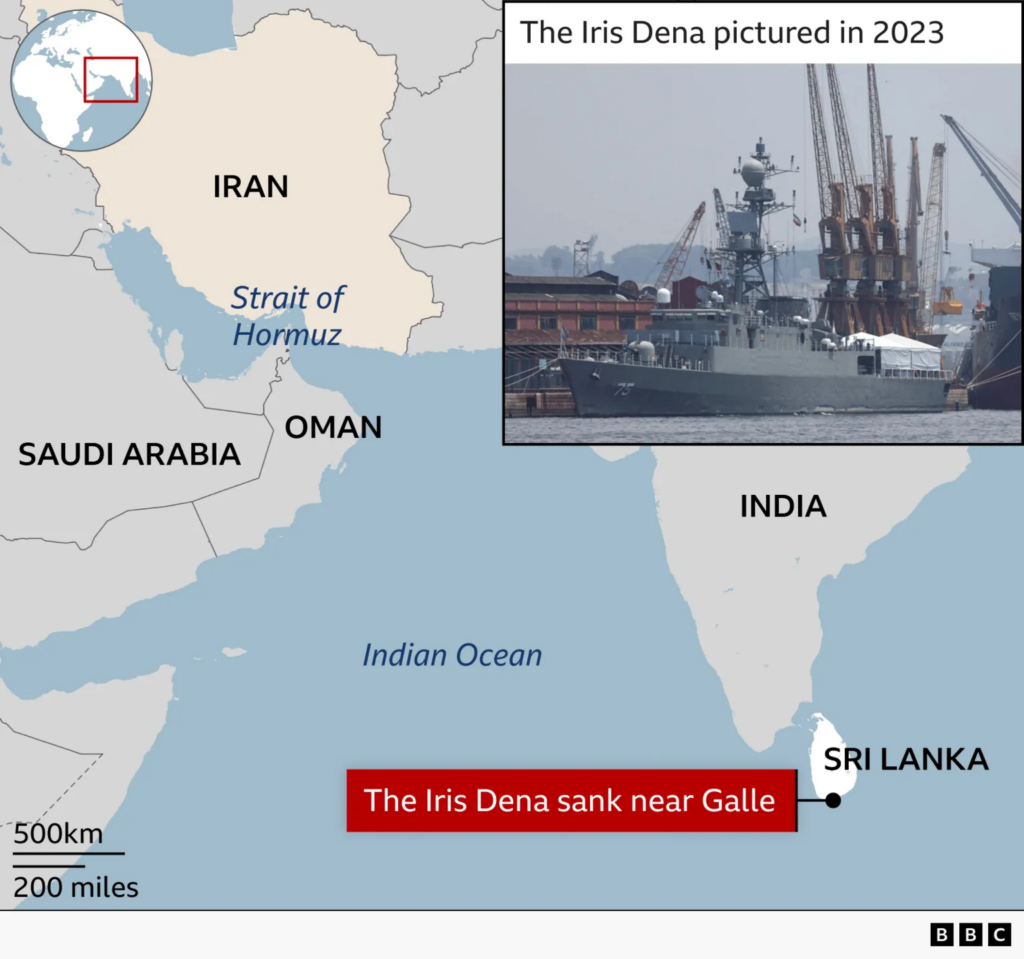
The Iranian warship, Iris Dena, sank on 4 March about 40km (25 miles) from Sri Lanka's southern coastline after it was hit by a torpedo from a US submarine, killing 104 sailors.
On March 5, Sri Lanka took control of the Iranian naval vessel, Irins Bushehr, after it had requested to dock at one of country's ports after one of its engines malfunctioned.
Speaking to Reuters, Jayasekara confirmed the crew of both ships were flown out on Tuesday night.
The stranded sailors were granted 30-day entry visas by the Sri Lankan government and were housed in navy and air force camps.
The Iris Dena had been returning from a military exercise hosted by India when it was attacked.
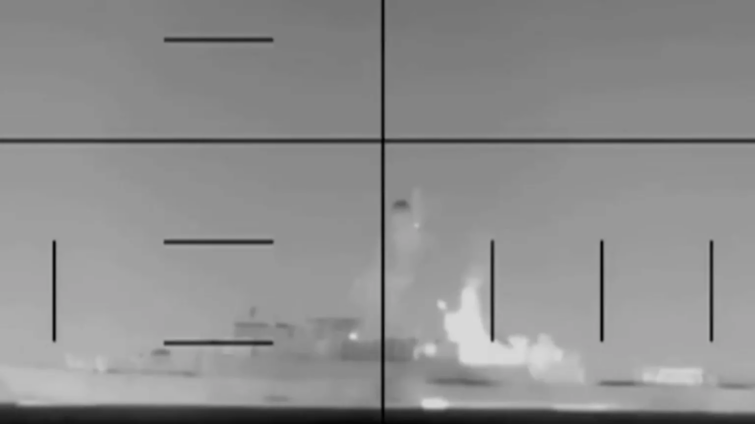
Video released by the US Department of Defense after the incident showed a ship being struck, causing the stern to rise up before exploding.
The bodies of 84 Iranian sailors killed in the attack were recovered and later repatriated in a chartered plane arranged by Iran.
Its sinking in international waters came just a few days into the current US-Israeli war with Iran and marked a dramatic widening of the conflict.
Iran has since launched retaliatory strikes across the Middle East - targeting Gulf countries allied with the US.
About 15 Iranian sailors will remain in Sri Lanka to operate the Irins Bushehr, which is anchored off Trincomalee in the northeast of the island.
Sri Lanka had allowed the Iranian vessel to dock at a north-eastern port on 5 March after hours of discussion, with its president saying they would "never hesitate to protect humanity".
"Our position has been to safeguard our neutrality while demonstrating our humanitarian values," President Anura Kumara Dissanayake said in a statement at the time.
"[Sri Lanka] intervened in a way that demonstrated our commitment to international conventions, protecting the reputation and dignity of our country, and protecting human lives," he said.
Sri Lanka has maintained a long-standing policy of non-alignment since it became independent in 1948.
It has strong economic and diplomatic ties with both Iran and the US.
Latest Stories
-
Ziope undertakes initiative to build a technologically inclined community, commissions self-help ICT lab
24 minutes -
ECG announces power outage in parts of Tema, Central Region due to network fault, maintenance
51 minutes -
When the Gospel Becomes a Weapon: The church, blackmail and the abuse of faith
1 hour -
JoyNews’ Jacqueline Ansomah Yeboah selected for UK Media Excellence for Emerging Technology Fellowship
2 hours -
Mental Health Alliance urges government to operationalise Mental Health Fund
2 hours -
Ghana–Holy See agreement heads to Parliament after Cabinet approval
2 hours -
Luv FM Corporate Games 2026: Kumasi Central Prisons, Amanfiman Bank win big amid fun
2 hours -
WAFU B U17: Ghana top Group A after win over Togo
3 hours -
Ho Central Mosque reopens amid unresolved leadership dispute that led to closure
4 hours -
Minority caucus questions GH¢16.4m in Ablakwa’s SA evacuation spending, demands independent audit
4 hours -
Gender Ministry meets Nana Akua Addo’s husband over domestic violence after hospital discharge
5 hours -
UG Vice-Chancellor urges swift operationalisation of National Research Fund
5 hours -
Pope Leo to have surgery after lump found in lung
5 hours -
Joseph Cudjoe writes: Ghana must break free from the dangerous mindset that natural resources are the foundation for wealth
6 hours -
Children among 109 dead after boat capsizes off Djibouti, UN says
6 hours