

Audio By Carbonatix
Health experts have raised concerns over what they say is the increasing prevalence of Non-Communicable Diseases (NCDs) in urban Ghana.
Physician Specialist, Dr. Gifty Sunkwa-Mills, revealed on Joy Prime’s Prime Morning Show that approximately 54 percent of urban dwellers in the country are living with either hypertension or diabetes.
This significant statistic underscores the urgent need for targeted public health interventions and lifestyle modifications.
The higher prevalence of NCDs in urban areas is attributed to lifestyle factors prevalent among city dwellers.
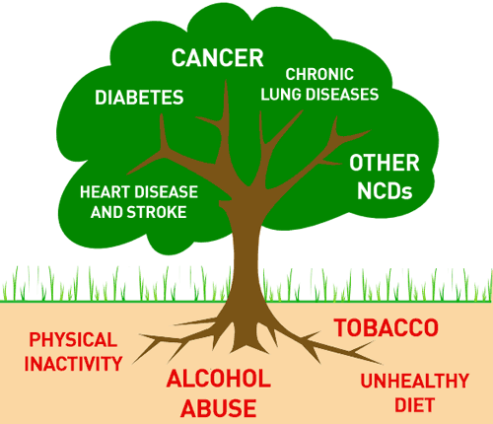
The cardiologist indicated that these factors include unhealthy diets, sedentary lifestyles, excessive alcohol consumption, and high levels of stress.
"What is known is that, the rates are higher in the urban areas and there are many reasons for that. You could have 40 to 55 percent prevalence in urban areas but in the rural areas, it might be between 28 and 32 percent. The lifestyles are very telling in these statistics," the physician said.
Fast-paced urban living often leads to increased consumption of processed foods high in sugar, salt, and unhealthy fats.
Coupled with a lack of physical activity due to sedentary jobs and the convenience of motorised transportation, these habits contribute significantly to the rising rates of hypertension and diabetes.
"There is very significant underreporting even with these statistics. In Ghana, only 25 percent of persons with hypertension have been diagnosed. So there are 75 percent of people out there who are living with hypertension are don't know. They have not checked and they are walking about," she added.
Other health professionals echo these concerns, pointing out that the lack of green spaces for exercise, limited access to affordable healthy food options, and the stressful urban environment exacerbate the risk factors for NCDs.
In contrast, rural areas of Ghana report lower incidences of NCDs. The rural populations tend to engage more in physical activities through farming and other labour-intensive jobs.
Additionally, diets in rural areas often include fresh produce from local farms, reducing the intake of processed foods.
Dr. Sunkwa-Mills, however, calls for a multi-faceted approach to address this growing health concern. This includes educating urban populations about the risks of unhealthy lifestyles and the benefits of regular physical activity and balanced diets.
Latest Stories
-
PAC sends Ghana Water hearing back, demands Minister and MD appear over GH¢3bn debt
20 minutes -
GACL to hold full-scale emergency simulation exercise on October 15
1 hour -
327 entries submitted for 30th GJA Media Awards
1 hour -
Mahama proposes rent-to-own scheme for unfinished houses
1 hour -
Mahama wants banks to introduce affordable housing loans within six months
1 hour -
Photos from National Conference on Housing Finance
1 hour -
Italy, Ghana unite 40 artists for ‘Beyond Creation’ exhibition at Accra Art Centre
2 hours -
Premature to call for Sports Minister’s removal while CID probe is ongoing – Ernest Norgbey
2 hours -
NPP mourns Samuel Arthur Odoi-Sykes
2 hours -
Stay out of World Cup visa probe to avoid interfering with CID investigations – Ernest Norgbey to politicians
2 hours -
Bono East Minister inspects ‘Big Push’ roads; contractor on Tankor-Fiema-Busunya road ahead of schedule
3 hours -
Scrutiny is not disloyalty – Chief of Staff defends serious journalism at 30th GJA Awards launch
3 hours -
Abuse case: Nana Akua’s husband Harold unable to appear in court after hospital admission – Police
3 hours -
Mahmud Kabore picks NDC Ashanti Regional Communication Officer nomination forms
3 hours -
KNUST Career Services pioneer Selina Doe Angmor named among 2026 40 Under 40 honourees
3 hours