

Audio By Carbonatix
The National Development Planning Commission (NDPC) has begun a nationwide review of guidelines governing Regional Planning Coordinating Units (RPCUs) and District Planning Coordinating Units (DPCUs) to improve development planning, coordination and reporting across Ghana’s decentralised governance system.
The exercise, supported by GIZ’s PAIRed programme, is intended to update the existing guidelines, which were developed in 2004, to reflect changes in institutional arrangements, planning and budgeting processes, monitoring requirements and the growing use of digital systems in public administration.
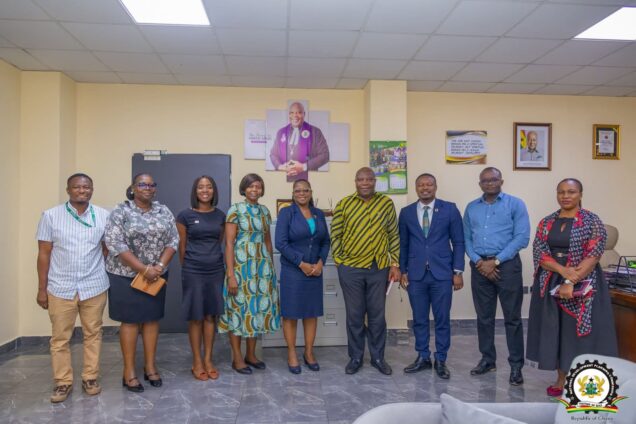
The nationwide consultations began on October 5, 2026, with engagements in the Upper East and Central Regions. The Greater Accra session, held on October 6, brought together stakeholders to assess the existing guidelines, identify implementation challenges and recommend practical improvements based on their experiences.
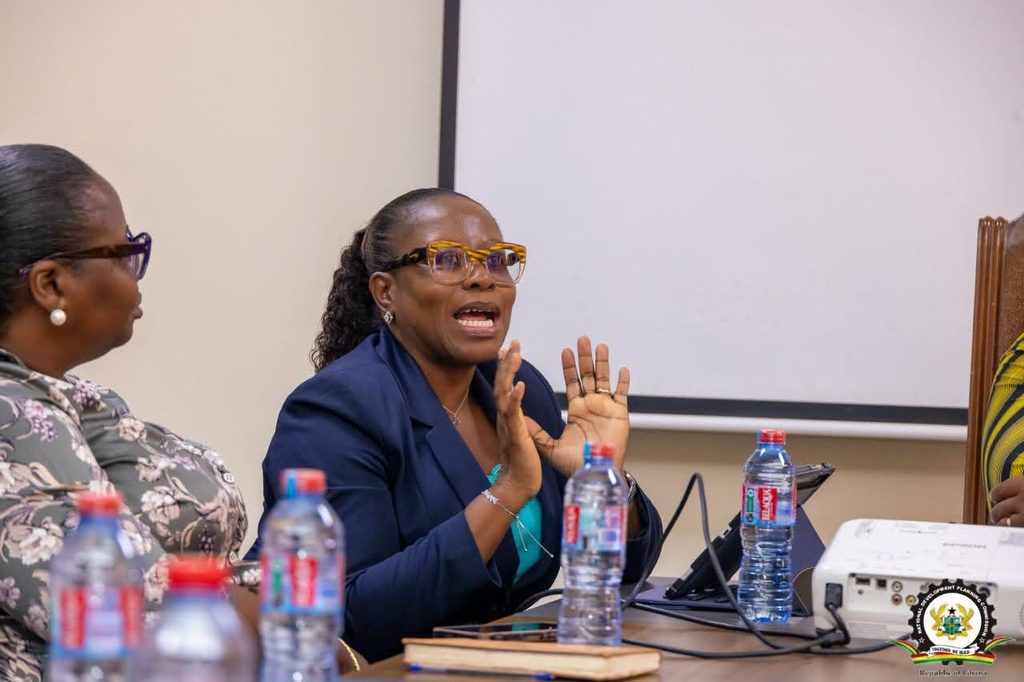
Welcoming participants, the Chief Director of the Greater Accra Regional Coordinating Council, Rev. Harry Nii Kwatei Owoo, said the current guidelines no longer adequately reflected the environment in which RPCUs and DPCUs operate.
He urged participants to identify gaps and propose measures that would make the revised document more relevant and effective.
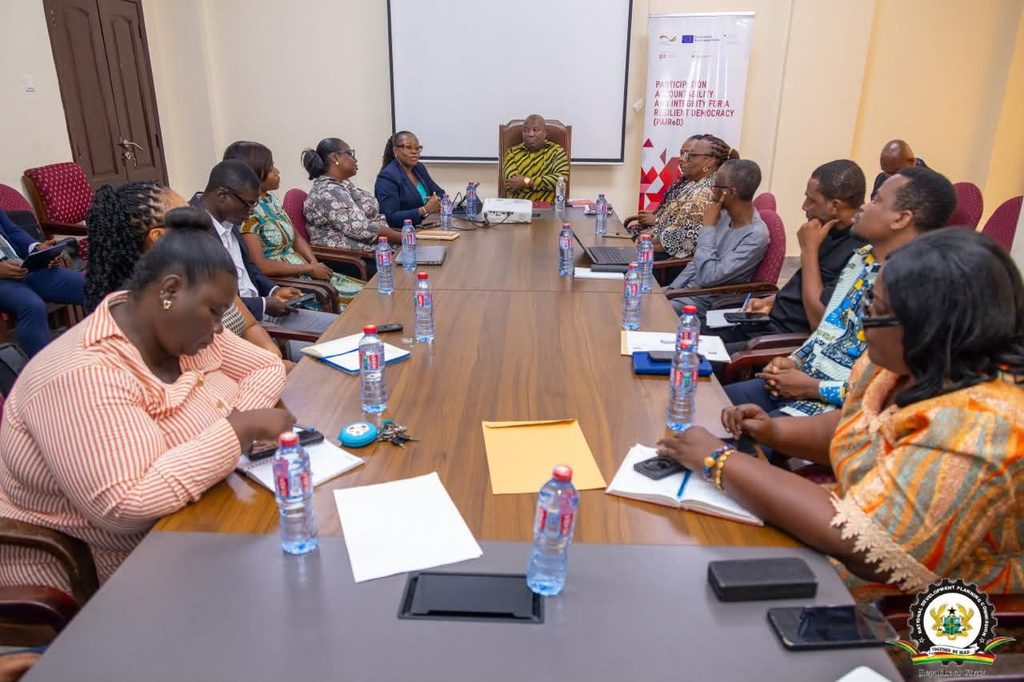
The Director-General of the NDPC, Dr Audrey Smock Amoah, said the review must be grounded in the experiences of officials directly involved in development planning and coordination at the regional and district levels.
She noted that the process offered an opportunity to align the guidelines with current institutional arrangements, planning requirements and technological developments.
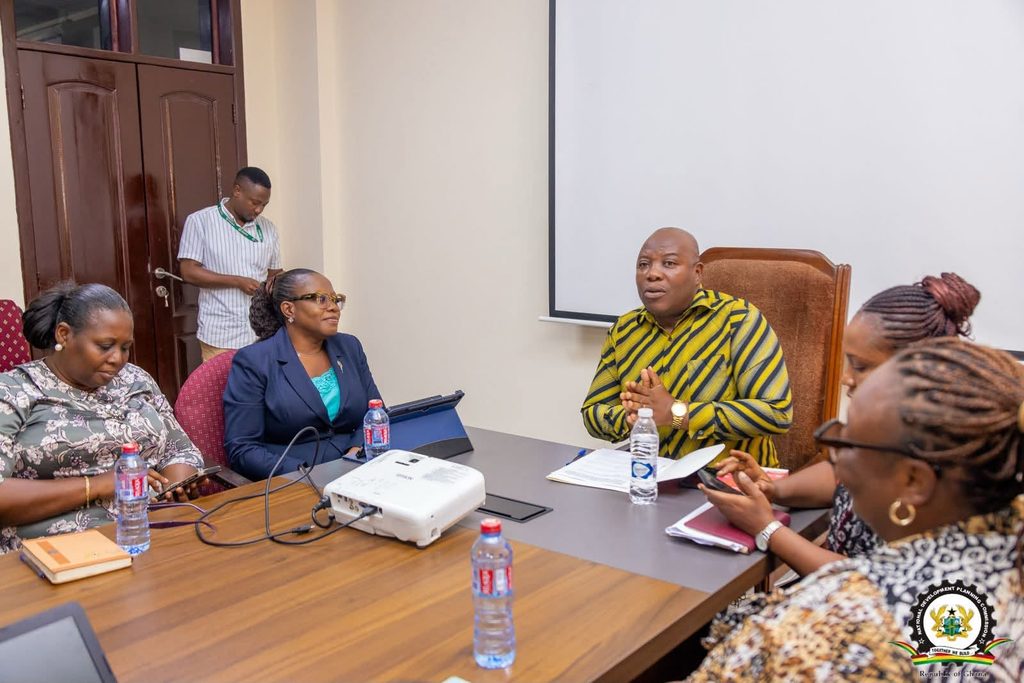
Dr Amoah also stressed the need for regional and district authorities to prepare and submit development plans and annual progress reports on time, warning that delays could affect national development planning, monitoring and reporting.
She thanked the Greater Accra Regional Coordinating Council, Metropolitan, Municipal and District Assemblies, GIZ and other stakeholders for supporting the exercise, and urged participants to make practical recommendations to strengthen coordination across the decentralised planning system.
The consultations will continue across the country, with stakeholder feedback expected to inform the finalisation of the revised RPCU and DPCU guidelines.
The PAIRed programme is commissioned by Germany’s Federal Ministry for Economic Cooperation and Development, co-financed by the European Union in Ghana and the Swiss State Secretariat for Economic Affairs, and implemented by GIZ in partnership with Ghana’s Ministry of Finance.
Latest Stories
-
Hotline Documentary: ‘Silent Football’ to air on JoyPrime and JoyNews today
45 minutes -
NDPC examines how evidence shapes Ghana’s development planning and policy decisions
46 minutes -
Education Ministry calls urgent talks to break GAUA strike deadlock
48 minutes -
NCCE engages women in North East Gonja on rule of law, anti-corruption
57 minutes -
NDPC reviews 2004 planning guidelines to reflect changes in decentralised system
1 hour -
Trade Ministry commends Prisons Service for using art to drive inmate rehabilitation
1 hour -
Books, brushes and second chances: Dr Abena Asomaning launches three titles to support prison outreach
1 hour -
Treasury bill auction oversubscribed by 53.5% as yields fall across maturities
1 hour -
NPP warns aspirants premature campaigning could jeopardise eligibility for primaries
1 hour -
Ghana courts investors in Bangkok after exit from $3bn IMF bailout
1 hour -
8 arrested over alleged internet fraud initiation assault in Bono Region
2 hours -
SSNIT says Labadi Beach Redevelopment will create local economic opportunities
2 hours -
BoG proposes 30-day liquidity buffer requirement for banks
2 hours -
BoG plans reviews of banks’ cybersecurity compliance
2 hours -
GRA cautions taxpayers against attacking tax officials
2 hours