

Audio By Carbonatix
The government of Ghana, through the Ministry of Finance, has introduced the Energy Sector Levies (Amendment) Bill, proposing a 1 cedi levy on every litre of petroleum product sold in the country. This bold fiscal intervention is aimed at stabilising Ghana’s ailing energy sector, with the funds expected to offset power sector debts, support infrastructure maintenance, and ensure continuous electricity supply.
However, the announcement has sparked heated national conversation. Citizens, economists, and energy experts are weighing the bill’s potential benefits against the immediate impact on household budgets and the already-burdened cost of living. Can this policy deliver the relief it promises, or will it deepen existing economic struggles?
What the Government Hopes to Achieve
Ghana’s energy sector is reeling from decades of underfunding, inefficiencies, and mounting debts, particularly to independent power producers (IPPs) and fuel suppliers. Power outages have become a recurring menace, hurting small businesses and undermining investor confidence.
The Finance Minister maintains that the new levy will generate dedicated revenue to address these systemic financial gaps and avoid further deterioration of electricity supply reliability. According to him, 'stabilising the energy sector is critical to economic growth, job creation, and industrial expansion.'
Possible Gains from the Levy
- A Lifeline for the Power Sector
The levy could inject much-needed funds into clearing legacy debts, enhancing the financial health of utility providers, and facilitating uninterrupted power generation and distribution.
- Sustainable Energy Investment
Over time, the revenue could be channelled into renewable energy development and critical grid upgrades, positioning Ghana as a leader in West Africa’s energy transition.
- Economic Productivity
A more reliable electricity supply could stimulate local manufacturing and reduce the cost of doing business, especially for SMEs affected by frequent blackouts and the high cost of generator use.
But at What Cost to Citizens?
- Fuel Price Hikes & Inflation
An additional 1 cedi per litre will almost certainly push up fuel prices. This increase will ripple across sectors — transport, agriculture, and commerce — raising the cost of goods and services.
- Hardship for the Poor and Working Class
Fuel levies are inherently regressive. Lower-income households, who spend a larger portion of their earnings on transport and food, will feel the pinch more acutely than affluent citizens.
- Trust Deficit from Past Levies
Public scepticism is high, given past energy-related levies such as the Energy Debt Recovery Levy, Price Stabilisation and Recovery Levy, and the Public Lighting Levy — all introduced under the Energy Sector Levies Act, 2015 (Act 899). These levies were designed to address sector inefficiencies, clear debts, and stabilise energy prices. However, reports of mismanagement and lack of transparency have eroded public trust.
- Lack of Transparency and Oversight
Critics fear the new revenue stream could be mismanaged or diverted from its intended purpose, as has occurred in the past due to weak institutional oversight and political interference.
Policy Recommendations for Balance
If implemented, the following measures can improve public buy-in and ensure the policy's long-term success:
Phase Out Obsolete Levies: The government should review and rationalise older levies to reduce the cumulative tax burden on fuel products.
Ring-Fence the Funds: The new levy should be placed in a special account with public disclosure on disbursement and impact metrics.
Protect the Poor: Introduce targeted interventions, such as transport subsidies for low-income earners, to cushion the economic blow.
Set a Time Limit: The levy should include a sunset clause with periodic performance reviews and a clear end goal.
Final Thoughts
The Energy Sector Levy Amendment Bill represents a high-stakes balancing act for Ghana’s government. On the one hand, stabilising the power sector is indispensable for economic resilience and long-term growth. On the other hand, the levy’s regressive nature and timing, amid high inflation and job insecurity, could deepen public discontent.
Ultimately, the success of this policy will hinge on transparency, accountability, and the political will to use the proceeds solely for their intended purpose. Ghana’s energy future must not come at the expense of today’s vulnerable citizens.
About the Author:
Isaac Kwegyir Essel is an energy policy analyst with an MSc in Oil and Gas Accounting from Robert Gordon University (Scotland). He is a member of the Energy Institute (UK) and Engineers Australia. He writes on energy transition, geopolitics, and community development.
-
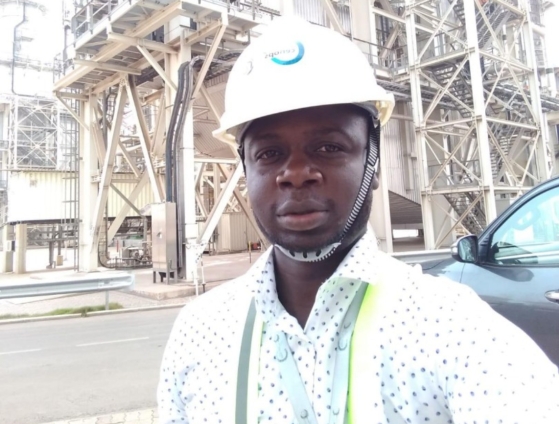
The author, Isaac Kwegyir Essel, is an Energy Analyst & Member, Energy Institute (UK).
Latest Stories
-
I assure Otumfuo, Mahama will join him to commission KNUST Teaching Hospital by end of this year – Haruna Iddrisu
19 minutes -
Gov’t to roll out free special education for persons with disabilities from July 1 – Education Minister
41 minutes -
“We used it to test our officiating officials’ readiness” – Bawah Fuseini after CAA Athletics event
1 hour -
Volleyball emerges as Ghana’s fastest rising sport
1 hour -
National Sports Fund needs strong leadership from the top – Administrator David Wuaku
2 hours -
JoySports Exclusive: Steve McLaren in talks with GFA after expressing interest in Black Stars job
2 hours -
Fire guts auto parts warehouse at Bubuashie, one fire officer injured
2 hours -
I owe my victory to coach Ofori Asare – Allotey after winning WBA Africa Gold Super Flyweight belt
2 hours -
Church of Pentecost supports over 2,000 BECE candidates in Obuasi with career guidance seminar
3 hours -
Brandon Asante and Coventry all but promoted to Premier League despite Sheffield Wednesday draw
4 hours -
GPL 2025/26: Late Kwartemaa strike downs Hearts in Tema
4 hours -
Ghana Faces Sierra Leone Moment as Prosecutorial Powers come under strain
4 hours -
Don’t consume fish or seafood from Tema Shipyard until further notice – FDA warns
4 hours -
Why volunteering might be Africa’s most underrated career accelerator
4 hours -
ActionAid Ghana raises concern over gender gaps in Feed Ghana Programme
4 hours