

Audio By Carbonatix
The law banning the importation of salvaged vehicles into Ghana comes. into effect on November 1, 2020.
Shipping agents, Importers and freight forwarders were therefore advised to properly counsel their clients on importing such vehicles to Ghana and its consequences.
Parliament, in March, passed the Customs (Amendment) Bill, 2020 an amendment of the existing Customs Act, 2015 (Act 891).
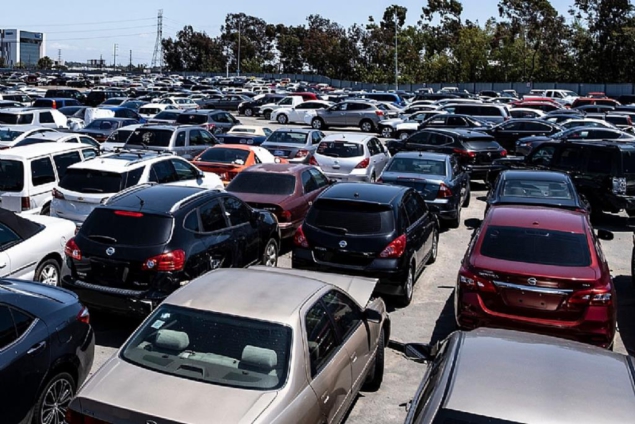
The amendment banned the importation of accident and salvaged motor vehicles comprising of wrecked, destroyed and those physically damaged by collision, fire, water or other occurrences into the country.
Aweya Julius Kantum, Assistant Commissioner of Customs in charge of Policy and Programmes, Customs Division, Ghana Revenue Authority (GRA), who gave the advice, said agents were the main source of information for importers, therefore, they needed to appreciate relevant laws before they brought a car or anything into Ghana.
Mr Kantum revealed that as scheduled, the GRA would start enforcing the law from November 1, 2020.
“The time of importation in Customs is the time that the ship docks and reports to customs that it has docked. If the ship comes from 1st November, it means it is time bound and it means that the law will catch it, ”he said.
He added that it would be incumbent on agents to understand the law and desist from bringing salvaged cars and cargo into Ghana as one will be liable if he or she broke the law.
He stressed that, “Now anybody who intends to import, should be reminded that if the cargo arrives before the first of November then he or she is within time, if it’s after that, then it means they are time-bound. Now don’t assume that the law is going to change, work on the basis that the law is going to start and then you will not fall foul on the law.”
Mr. Justice Njornan Magah Yadjayime, Supervisor in charge, Vehicle Valuation Unit Customs Technical Services Bureau (CTSB), on his part, explained that contrary to assertions that there was ambiguity in the definition of salvaged vehicles by the law, the Act did not leave room for human discretionary authority beyond what it stipulates.
Mr Yadjayime observed that, “The law is looking at the number of ways vehicles get damaged, so you are looking at flooding, collision etc. so all have been covered so that you don’t leave it to anybody’s judgement to say that this one can go and this one will not go”.
Latest Stories
-
Today’s Front pages: Friday, October 9, 2026
2 minutes -
Afro-Arab Properties pledges support for Mahama’s affordable housing agenda
1 hour -
Edmond Kombat named Energy Sector Reform Programme Champion of the Year 2026
2 hours -
PAC summons Takoradi doctor over GH¢341,229 study leave salary
2 hours -
37 Military Hospital traders given 7-days to clear pedestrian walkway
2 hours -
Wontumi challenges EOCO’s handling of Exim Bank loan dispute
3 hours -
Government keeps appealing to striking teachers to resume work – Apaak
3 hours -
Chief Justice urges employers to tackle mental health stigma in workplaces
3 hours -
52,000 teachers’ promotion payments targeted for October 15
3 hours -
Nzema chiefs honour Lands Minister, demand sustainable revival of Adamus Resources
3 hours -
ExxonMobil return talks emerge as GIPA CEO holds back details
3 hours -
Council of State meets teacher unions over strike today
3 hours -
Ntim Fordjour appeals to Mahama to abandon regulation restricting preaching in buses
3 hours -
Volta youth farmers commend Agric Minister, appeal for markets for cassava growers
3 hours -
Mahama commissions expanded production line at Nestlé Ghana Ltd
3 hours