

Audio By Carbonatix
For years, the talk at many landing beaches has been the same: premix fuel comes, premix fuel finishes, and arguments begin—over how much was sold, how much profit was made, and most importantly, what happened to the money meant for the community.
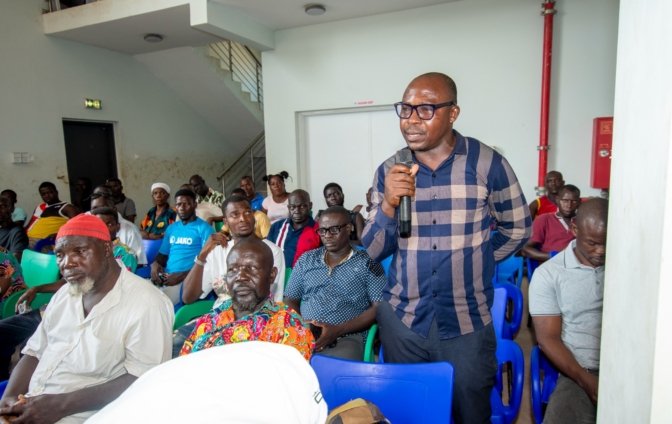
This week, that cycle was interrupted at Sekondi, New Takoradi, and Abuesi landing beaches, where committees publicly rendered accounts of their premix fuel operations for 2025 as part of the National Premix Fuel Secretariat’s broader Premix Accountability Series, a program designed to promote transparency and restore trust in the management of premix funds nationwide.
For many fisherfolk, it was the first time they had seen figures, bank statements, and explanations laid out openly before the community.
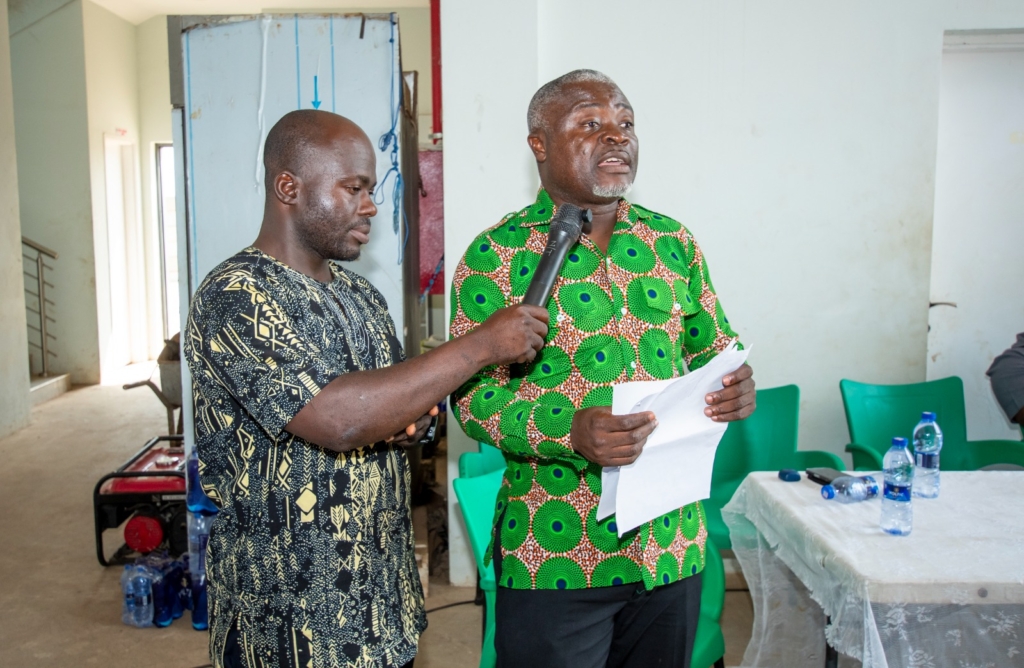
“I have been fishing here for more than 20 years, but this is the first time I am seeing them show us the books like this,” said Kwame Essel, a canoe owner at the Sekondi landing beach. “When they mentioned the amounts and showed where the money is kept, it gave us some confidence.”
Under L.I. 2233, 53 per cent of premix fuel margins is reserved for community development. Yet in many communities, fisherfolk say they only hear about the fund in passing, without knowing how much has accrued or what it has been used for.
At New Takoradi, fishmonger Esi Armah said the accounting session answered long-standing questions.
“Before now, when we asked about the premix money, people would say, ‘It has been used.’ Used for what? We didn’t know,” she said. “This time, they told us how much came in and where the money is. That is what we want.”
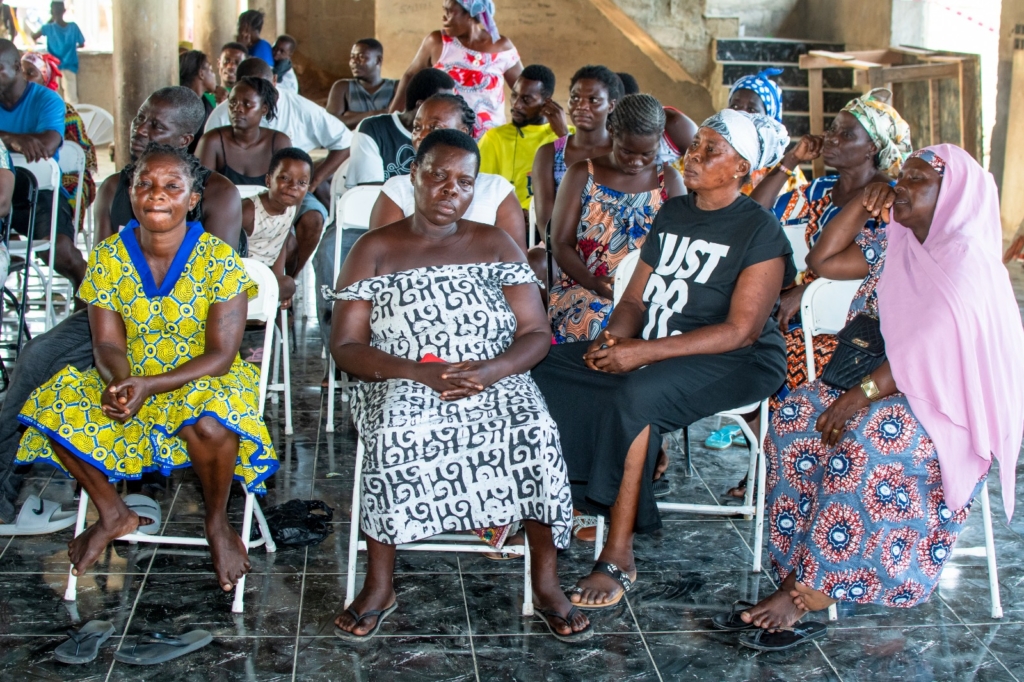
Some fisherfolk said the transparency reduced tension almost immediately.
“When people don’t know, they suspect everything,” said Yaw Mensah, a crew member at Abuesi. “Today, when they showed the bank statement, the shouting reduced. Even those who were angry became calm.”
The figures also surprised many. At Sekondi, the committee disclosed that about GH¢126,000 had been raised for community development over the past ten months, highlighting what proper tracking and management of premix margins can achieve.

The landing beach committees of New Takoradi in the Takoradi metropolis also raised GH¢59,000 for community development, while Abuesi in the Shama district realised GH¢102,000.
“I didn’t know the money could reach that level,” said Mary Koomson, who sells smoked fish near the landing beach. “If we manage it well, we can do something meaningful for the whole place.”
For others, the exercise raised new expectations. Fisherfolk said rendering accounts should not end with figures on paper but lead to visible projects.
“We have seen the money now,” said canoe owner Kofi Blay. “The next thing is to sit down as a community and agree on what to use it for. If we see toilets, lights, or repairs at the beach, everyone will support the system.”

There was also a strong call for consistency.
“If they do this only once, it will not help,” said Abdul Rahman, a fisherman at New Takoradi. “They should come every quarter or every year and tell us the same thing. That is how trust will stay.”
Officials from the National Premix Fuel Secretariat said the reactions from fisherfolk reinforced the purpose of the accountability initiative. Administrator Ebow Mensah noted that transparency changes attitudes on the ground.
“When communities can see the figures and ask questions, the system becomes stronger,” he said. “That is how premix moves from suspicion to shared responsibility.”
As the sun set over the landing beaches, fisherfolk lingered in small groups, still discussing the figures, the bank accounts, and what projects might come next.
For many, the numbers mattered. But what mattered more was the feeling that, for once, the premix story was being told in the open.
“As long as they keep doing this,” Kwame Essel said quietly, “we will also protect the system. Because now, it feels like it truly belongs to us.”
Latest Stories
-
International Day of the Girl: Central Region Education Directorate calls for action to tackle child marriage, teenage pregnancy
1 minute -
The Eyes of Ghana: iShowSpeed joins Obamas as producers of Chris Hesse documentary
12 minutes -
FirstBank Ghana pledges action on customer feedback at service week forum
43 minutes -
Sahara Group urges journalists to look beyond fuel prices in energy reporting
52 minutes -
Today’s front pages: Friday, October 16, 2026
56 minutes -
Ashanti Region: ECG urges customer cooperation with franchise officers
1 hour -
Ghana’s research fund faces a test of turning funding promises into scientific breakthroughs
1 hour -
Dîner en Blanc Accra returns on December 28 for second edition
1 hour -
20% digital tax: Government hiding behind technicalities to cheat Ghanaians – Dr Boako
2 hours -
David Selassie Anthony declares bid for NDC Deputy National Organiser
3 hours -
Amin Adam proposes 13 measures to strengthen Ghana’s debt transparency and market confidence
3 hours -
Mahama announces $2bn annual investment to accelerate industrialisation
3 hours -
Amin Adam urges monthly disclosure of Sinking Fund as Ghana prepares for DDEP repayments
3 hours -
Stronger banks will fuel business growth and jobs – ADB MD
3 hours -
Galamsey: ‘Rivers that fed our grandparents now run the colour of chocolate milk’ – Sam Jonah
3 hours