

Audio By Carbonatix
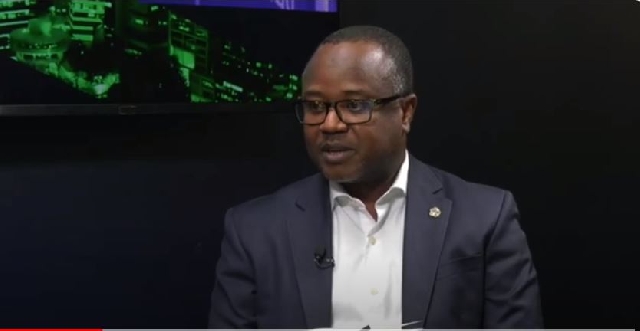
A former First Deputy Governor of the Bank of Ghana has stated that given Ghana’s long history of International Monetary Fund-supported arrangements, observed surveillance shortfalls may also reflect limitations in programme design and the translation of diagnostic findings into binding reforms.
According to him, over the past two decades, several gaps have appeared recurrent.
He disclosed this in his paper titled ““How not to Miss a Crisis: Lessons from Ghana”.
He explained that IMF programmes could not consistently address institutional manifestations of deeper political-economy drivers of debt accumulation.
This include electoral competition and patronage-related spending pressures where rollover and liquidity risks were at times underweighted; stress-testing of domestic debt and its interaction with the banking system was limited; coverage of the wider public-sector balance sheet (including SOEs [State-Owned Enterprises], guarantees, and other contingent liabilities) remained incomplete; and the sovereign–bank “doom loop” was not always assessed in a comprehensive, integrated manner.
According to him, these gaps point to a broader methodological question: whether Ghana was appropriately treated as a Lower Income Country-DSF case throughout the period, given its level of market access and the evolving structure of its debt.
In particular, he said, the framework’s limited ability to quantify rollover, liquidity, and currency-related risks may have contributed to underestimation of the probability of rapid market closure—risks that became acute as investor confidence deteriorated following rating actions, including Moody’s downgrade in February 2022.
The former Mission Chief at the IMF continued that although macroeconomic surveillance did not completely ignore Ghana’s rising vulnerabilities, three limitations stand out.
First, the Debt Sustainability Analysis baseline paths tended to be optimistic, assuming sustained fiscal consolidation driven by domestic revenue mobilisation, which was mostly missed and robust growth while giving insufficient weight to plausible downside scenarios.
Second, the analysis did not fully internalise domestic-debt dynamics and fiscal–financial feedback effects, leading to an under-appreciation of rollover, liquidity, and banking-sector channels.
Third, IMF-supported programme design often prioritized near-term consolidation over reforms that address the structural drivers of recurrent debt accumulation—particularly in energy pricing, SOE governance, and tax policy and administration.
He concluded saying, a recurring critique of Ghana’s engagement with the IMF is that programme conditionality has historically favored fiscal consolidation over comprehensive structural reform.
Latest Stories
-
New Economy will tackle unemployment and restore hope – Ato Forson
6 seconds -
IMMILAC president recounts personal losses as security women lead breast cancer awareness campaign in Wa
8 minutes -
University of Ghana postpones October 12 reopening as GAUA strike persists
22 minutes -
Bahass Foundation launches vocational skills training to support mental health recovery in Wa
54 minutes -
NPP orders parliamentary aspirants and their supporters to suspend campaign activities
1 hour -
Techiman unites against child marriage: Joy Impact Makers Awardee leads charge on International Day of the Girl Child
2 hours -
Ghana Psychological Association calls for greater involvement of people with lived experience in mental health care
3 hours -
Ablakwa says Ghana could evacuate more citizens from South Africa if the situation worsens
3 hours -
Violence against girls must be tackled through individual responsibility – Gender advocate
3 hours -
Ghana’s BRICS bid must be guided by national interest – International Affairs Analyst
4 hours -
Journalists look back on a decade of breast cancer reporting in Ghana
4 hours -
President Mahama ends Resetting Ghana tour of Ahafo Region
6 hours -
African negotiators seek delivery of climate commitments at COP31
6 hours -
BoG develops AI rules for financial sector
6 hours -
‘Big Push’: Government assures contractors of prompt payments
6 hours