

Audio By Carbonatix
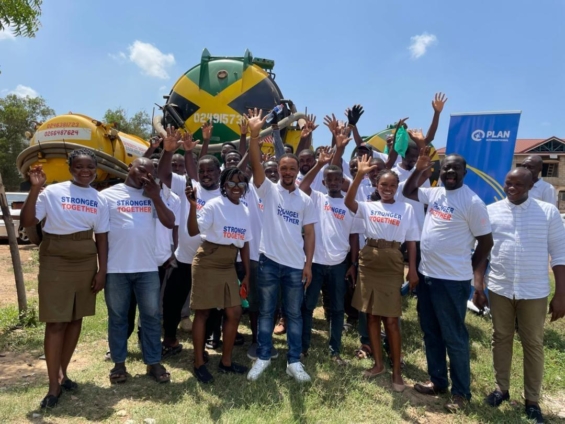
The 'Strong Together' project, a collaborative effort between Plan International Ghana and Safisa Ghana Limited, aims to address the pressing issues of open defecation, improper waste disposal, and environmental degradation in Ashaiman.
Speaking at Plan International Ghana's annual media training workshop, held in Ho David Selassie, project manager, revealed that the project focuses on three key areas: health, environment, and economic opportunities.
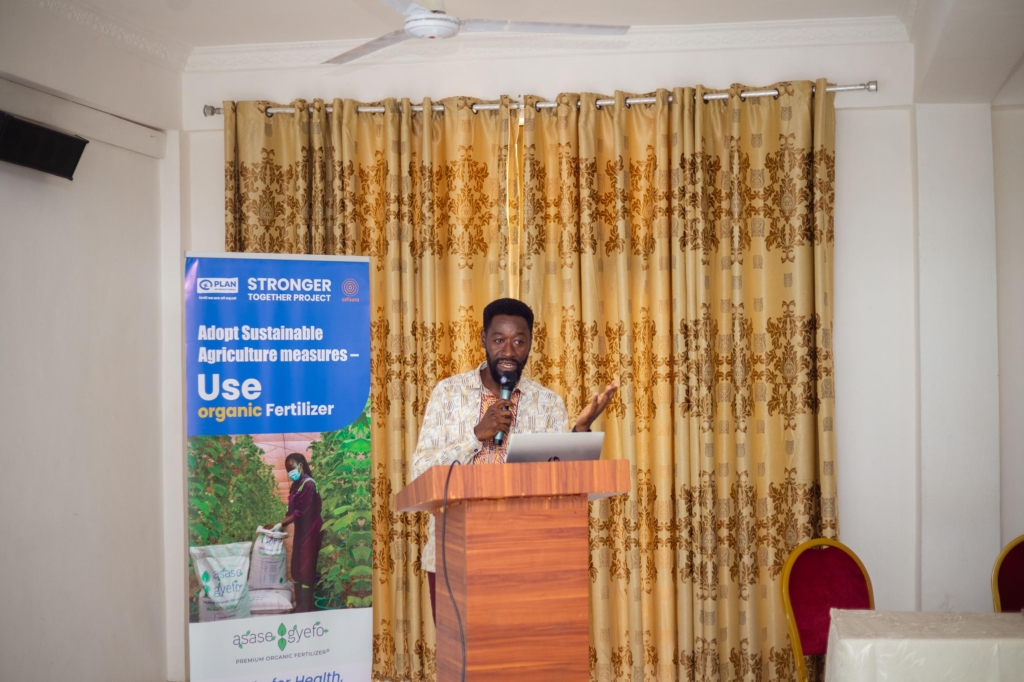
According to him, by leveraging Safisa Ghana Limited's expertise in waste processing, the project collects fiscal and organic waste from the Ashaiman community, converting it into biogas, electricity, and organic fertilizers.
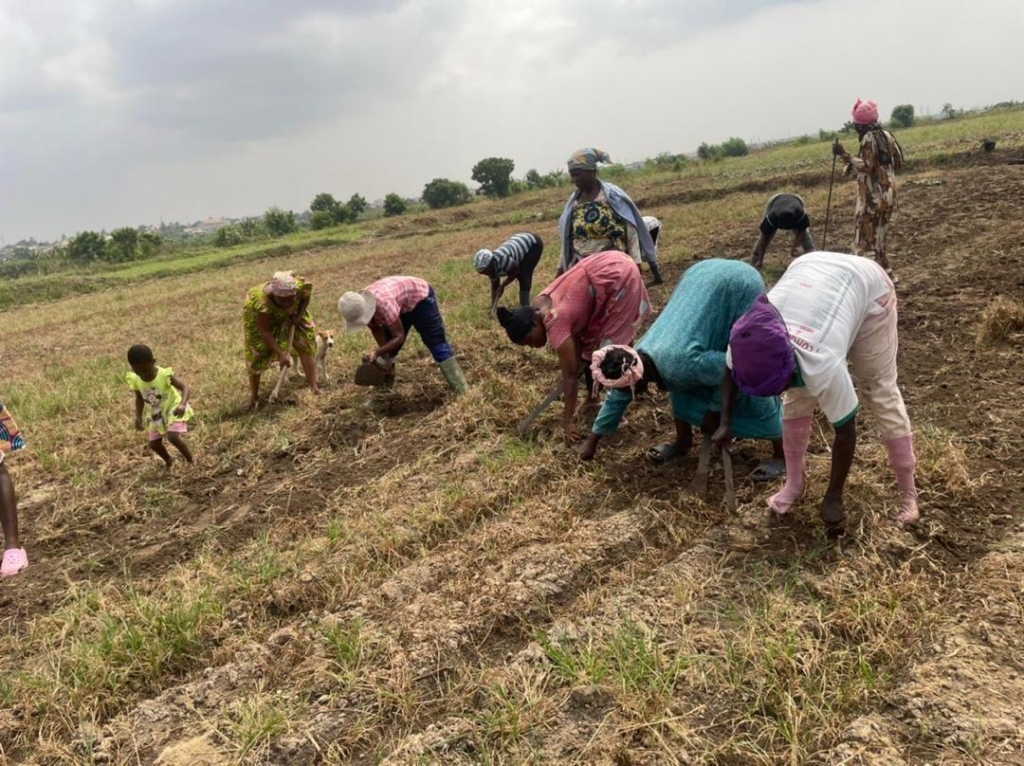
These organic fertilizers are then distributed to local farmers, promoting sustainable agriculture practices and providing economic benefits.
He continued that the project's impact extends beyond waste management, as it addresses the root causes of open defecation, air and water pollution, and inadequate waste management in the community.
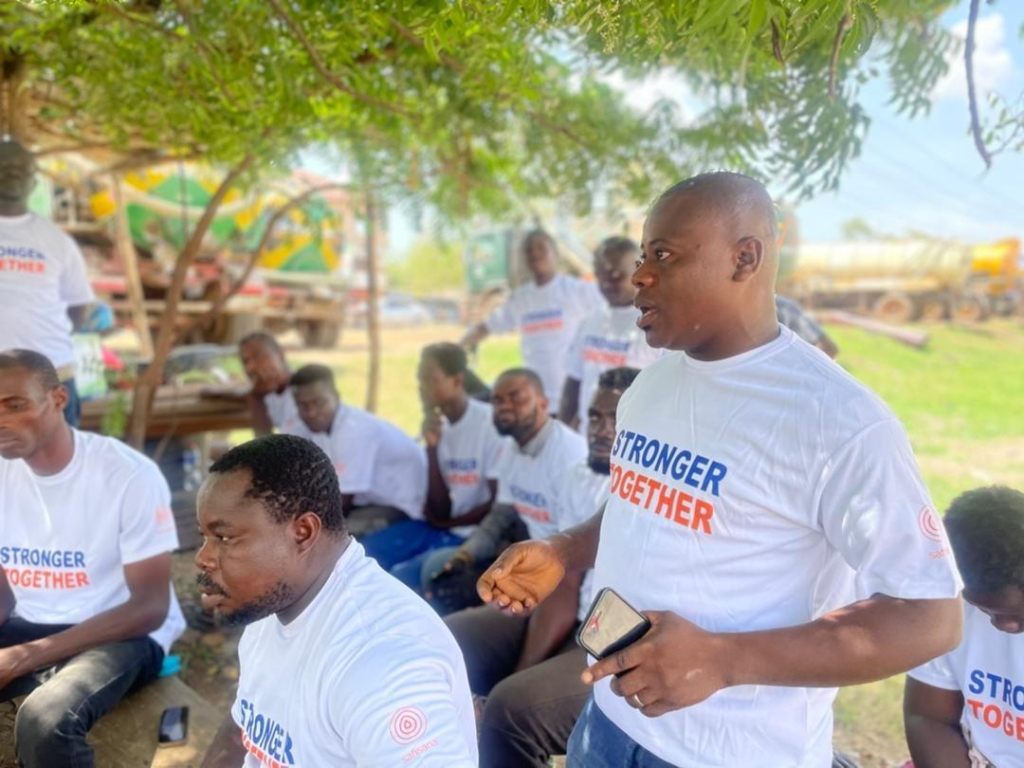
"As we are improving the health of the people by collecting waste and transforming it, we are reducing the challenges and the problems that will come out of the problems that we have when it comes to waste management and the health implications. Also, we are improving the environment as well,"
"Some of them didn't know how to manage their toilet facilities. The market women didn't know how to liaise with the Assembly in terms of waste collection and managing them. Even the Assembly people always say this is one of the excellent projects they have engaged with", he expanded.
He also highlighted that to ensure the project's success, the team engages with stakeholders, including the Ministry of Agriculture and the Ministry of Environment. They also train young people as Sanitation Ambassadors, empowering them to promote proper hygiene practices and waste management within their communities.
He further stated that the project's entrepreneurship component provides green skills training for young women and girls, equipping them with economic opportunities.
Demo plots have also been established to showcase the benefits of organic fertilizers, and farmers receive equipment and training to manage their toilet facilities effectively.
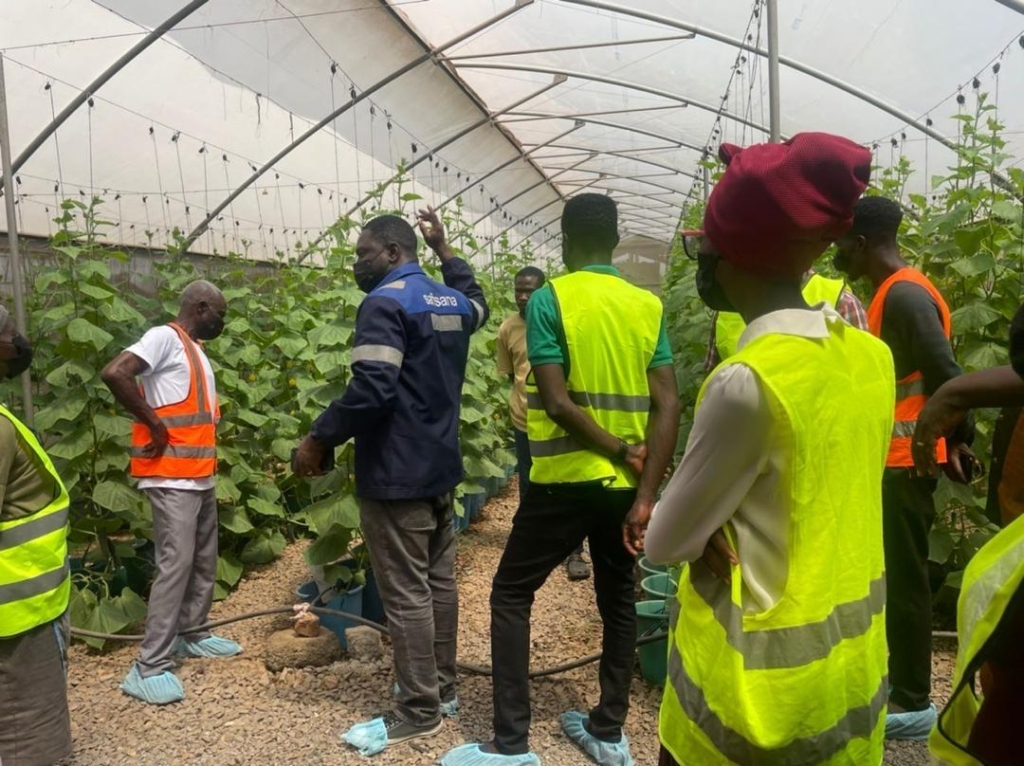
With plans to scale up the project, the team calls on stakeholders to support their efforts in extending the impact beyond Ashaiman.
"Globally, around 500 million people struggle with improper waste management, and 1.5 billion are affected by open defecation. We aim to make a significant difference and look forward to declaring Ashaiman 'Open Defecation Free' soon," he concluded.
Latest Stories
-
Imagination Africa, Mentors Chess Academy to host second African Genius Chess Championship at Ghud Park
2 hours -
Techiman South MP ends decades of water struggle in Asutia
3 hours -
Three things we’ve learnt about the UK economy from the IMF
3 hours -
Nana B passport claims a diversionary tactic — Abu Jinapor
3 hours -
Pope Leo diagnosed with cancer as doctors remove lobe of lung, Vatican says
3 hours -
Legal Aid Commission takes free legal services to Techiman main lorry terminal
3 hours -
Nana B denies seeking passport favour, accuses Ablakwa of failing to account for GH¢16.4m
3 hours -
Young girls demand climate action, stronger protection against child marriage
4 hours -
Ex-gang boss sentenced to 40 years for orchestrating Tupac Shakur’s murder
4 hours -
From near-deferral to three awards: UMaT graduate’s academic journey
4 hours -
Atta Akyea denies seeking presidential pardon for Wontumi in galamsey case
4 hours -
Sasaabi scam centre busted: 19 arrested, 117 trafficking victims identified in global crackdown
4 hours -
Photos: Mahama commissions 85-bed Police Hospital ward, donates two ambulances
4 hours -
GTEC directs Ghana’s public universities to reopen by October 16 and begin lectures on October 19
4 hours -
Star Oil donates GH¢1million towards construction of new CID facility
5 hours