

Audio By Carbonatix
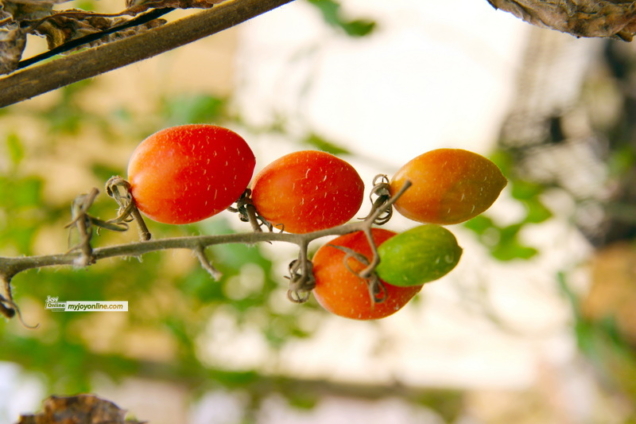
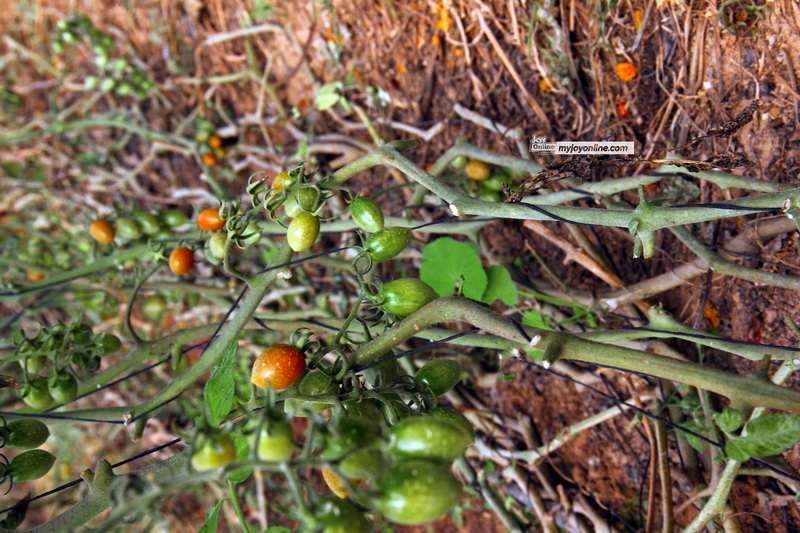
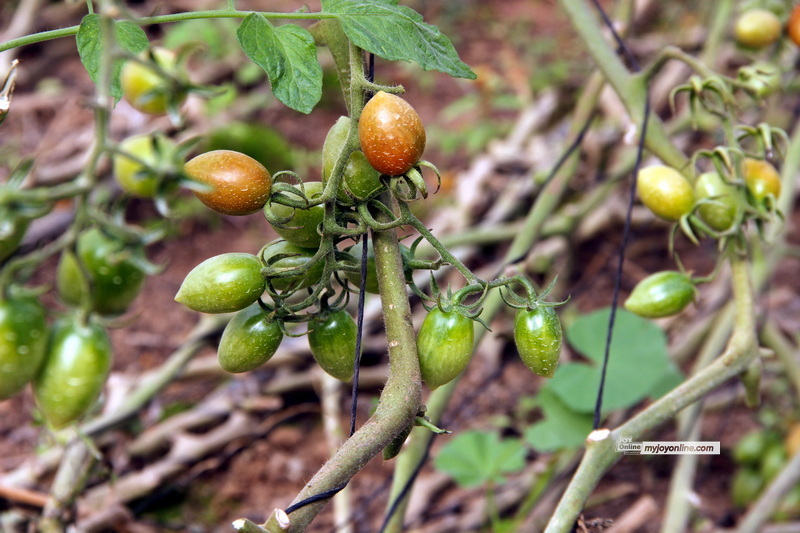
During the Planetec Delegation 2025 visit to the Milka greenhouse in Negav Desert, located near the Egyptian border, one of the vegetables that caught my attention was a cherry tomato embodying innovation.
Its sweet, fruity flavour is credited to Hebrew University scientists, Professors Nachum Kedar and Haim Rabinowitch, who revolutionised Israel's culinary scene. In the 1970s, they transformed the humble cherry tomato – originally a South American weed – into a globally loved commodity.
By introducing genes for slow ripening and extended shelf life, Kedar and Rabinowitch created a sweeter, firmer, juicier tomato perfect for mass production and export.
Their breakthrough turned a once-tasteless garnish into a supermarket staple worldwide.
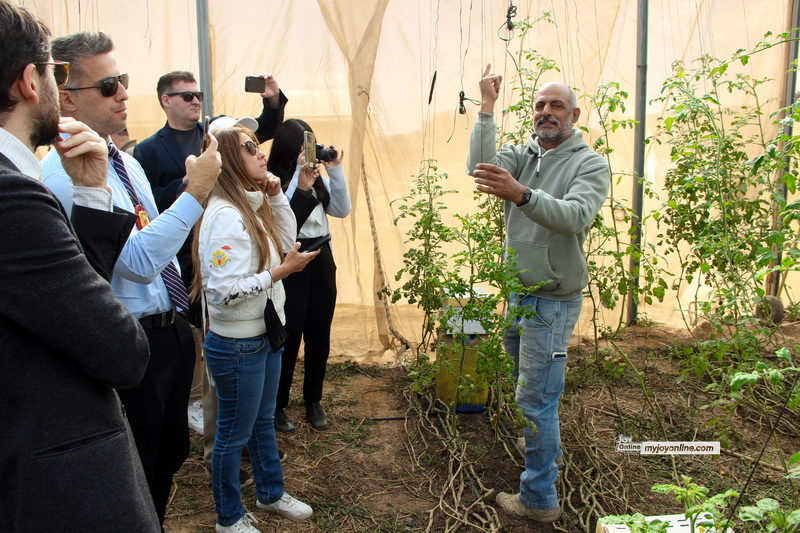
Roey Yosef, greenhouse owner, showcased organic produce, including these engineered cherry tomatoes. The delegation enjoyed a tasting session, experiencing Israeli innovation firsthand.
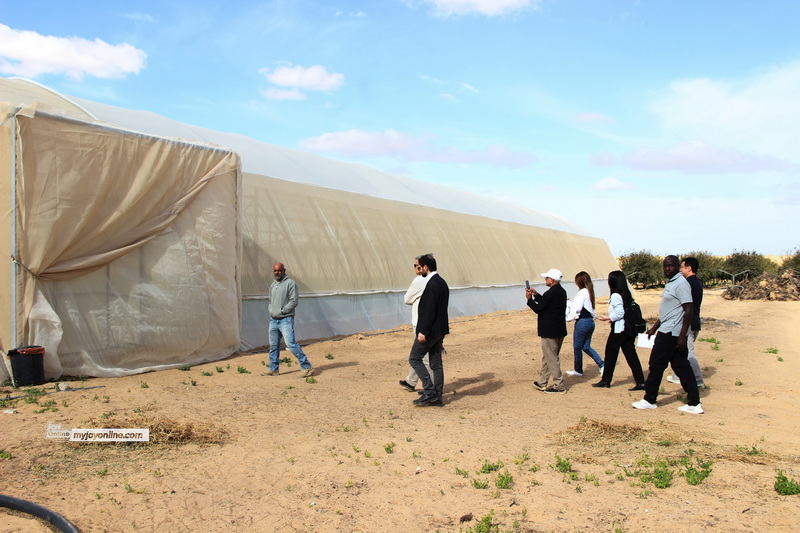
This highlights Israel's significant contribution to global food tech and economy.
Ghana can draw lessons from Israel's agricultural tech, leveraging its advantages.
Israel's expertise offers cost-effective solutions for Ghana's climate variability and dry regions.
A renewed tech collaboration between Ghana and Israel could unlock opportunities for tomato farmers.
Ghana's abundant arable land and water resources, paired with Israel's agricultural expertise, could boost tomato production.
Ghana imports significant volumes of tomatoes, with 1,740 shipments recorded between April 2024 and March 2025, valued at $18.843 million.
The top exporters to Ghana are Burkina Faso (77% of shipments), the Netherlands (16%), and France (3%). The imported tomatoes include fresh, chilled, and canned varieties, such as cherry tomatoes, plum tomatoes, and tomato paste.
Some key import details:
- Fresh Tomatoes: 1,740 shipments (Apr 2024 - Mar 2025)
- Canned Tomatoes: 469 shipments (Apr 2024 - Mar 2025), mainly from China, Italy, and South Africa
- Tomato Concentrate: 1,426 shipments, with major suppliers including the Ivory Coast and China
Key takeaways:
Drought-resistant crops: Israel's resilient varieties inspire Ghana to protect cocoa, maize, or tomatoes.
Water-efficient tech: Israel's drip irrigation boosts water conservation in Ghana's dry regions.
Greenhouse innovations: Adapting Israel's models enables year-round production, enhancing food security and exports.
Research-driven agriculture: Ghana can strengthen academia-farmer partnerships for localized solutions.
Export-oriented agribusiness: Israel's focus on shelf-life and quality informs Ghana's agri-export strategies pineapples, shea nuts
Latest Stories
-
ICU urges GHABA members to transform hairdressing skills into sustainable enterprises
13 minutes -
Ghana eyes stronger trade ties as Australia hosts multicultural trade and investment forum
23 minutes -
Margaret-Marie Krakue
25 minutes -
Ayariga announces plans for live broadcast of MMDAs’ meetings on local radio stations
28 minutes -
Mrs Anna Tackie
30 minutes -
Ghana links Afghan heroin and Brazilian cocaine to global drug markets – Global Organised Crime Index
38 minutes -
NHIA launches nationwide inter-school quiz to deepen students’ knowledge of NHIS
44 minutes -
Political protection could be masking Ghana’s cocaine trade – Global Organised Crime Index
49 minutes -
AFCON 2027Q: ‘We have to dissolve the GFA’ – Effia MP after Black Stars lose to Gambia
51 minutes -
NPP announces voting schedule and ID requirements for October 3 national elections
53 minutes -
Lupus can mimic HIV symptoms and damage kidneys if untreated – KNUST expert
56 minutes -
Focus on Sickle Cell Foundation seeks to introduce sickle cell education through comics in Ghanaian schools
1 hour -
NPP rewrites the campaign playbok as opposition reality shapes National Executive contest
1 hour -
Road safety education will fail without enforcement – NRSA boss
1 hour -
Daily Insight for CEOs: Finishing Q3 strong and entering Q4 with purpose
1 hour