

Audio By Carbonatix
Experts are advocating for a just and sustainable transition in the strategies of public financial institutions.
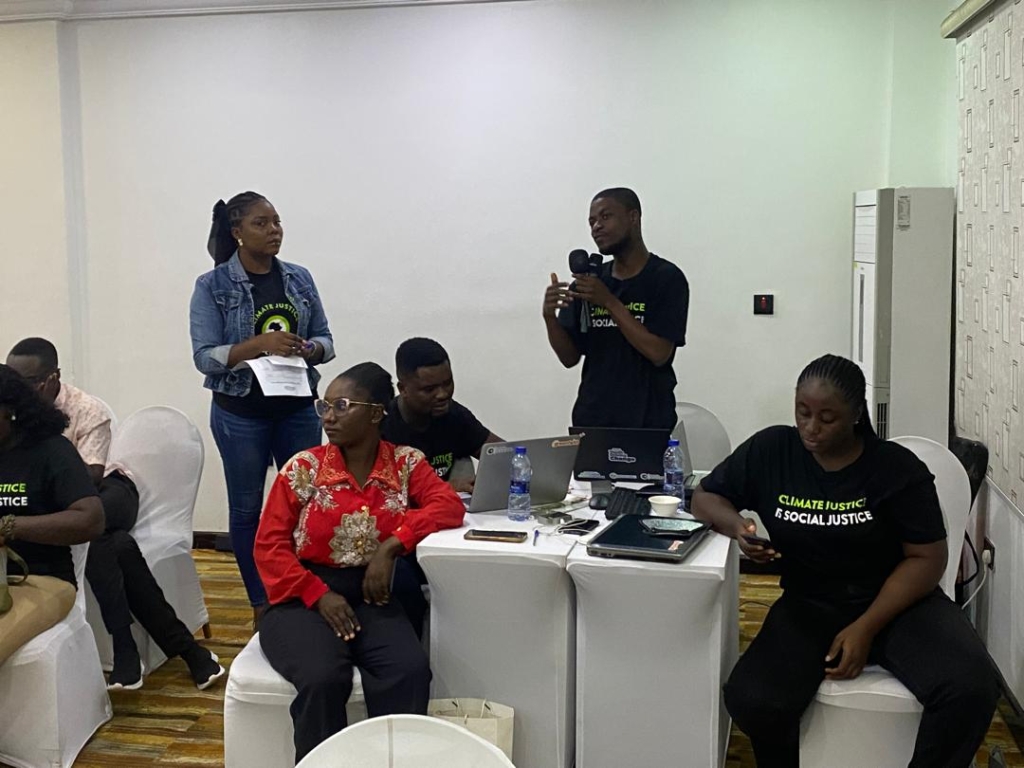
This was a key focus during the Fair Finance School on Tuesday, July 16, in Accra.
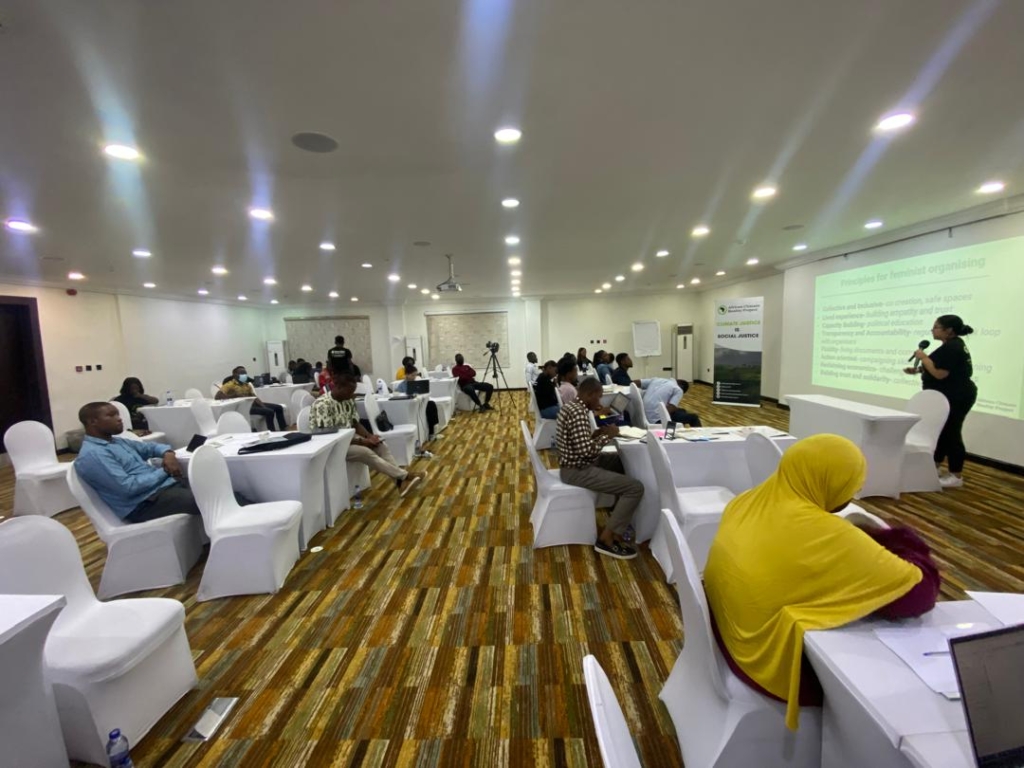
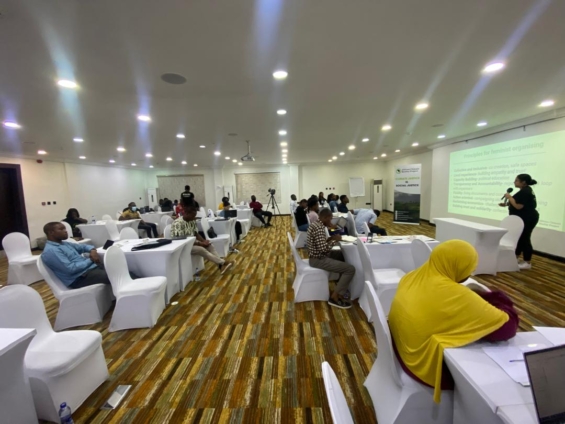
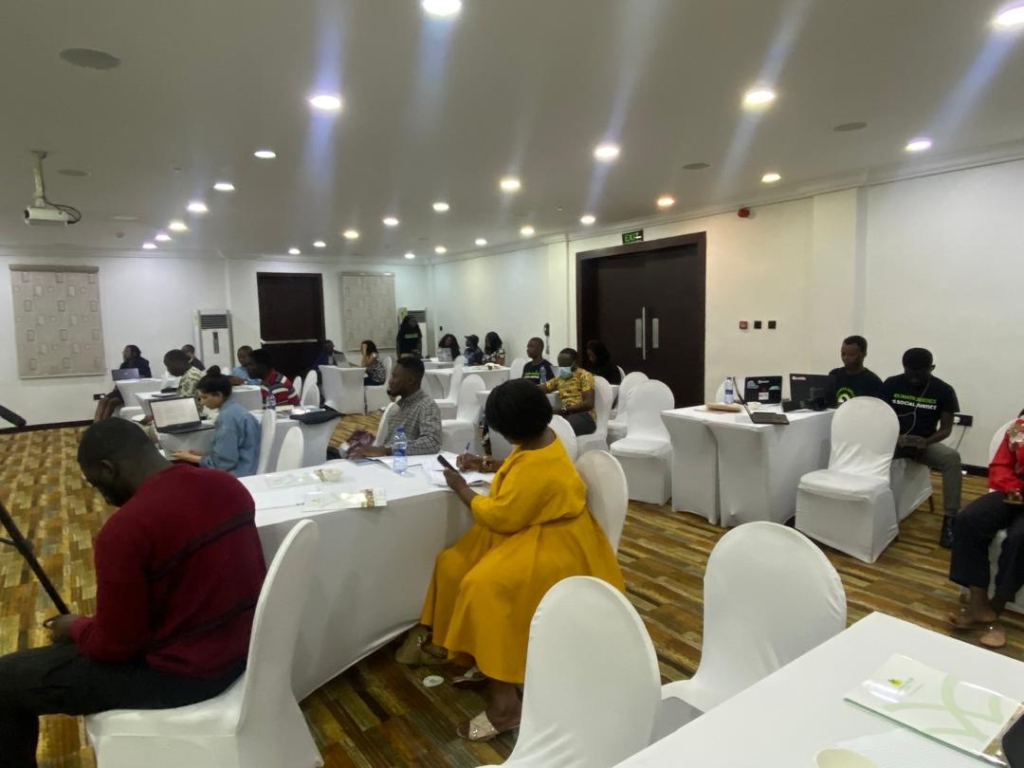
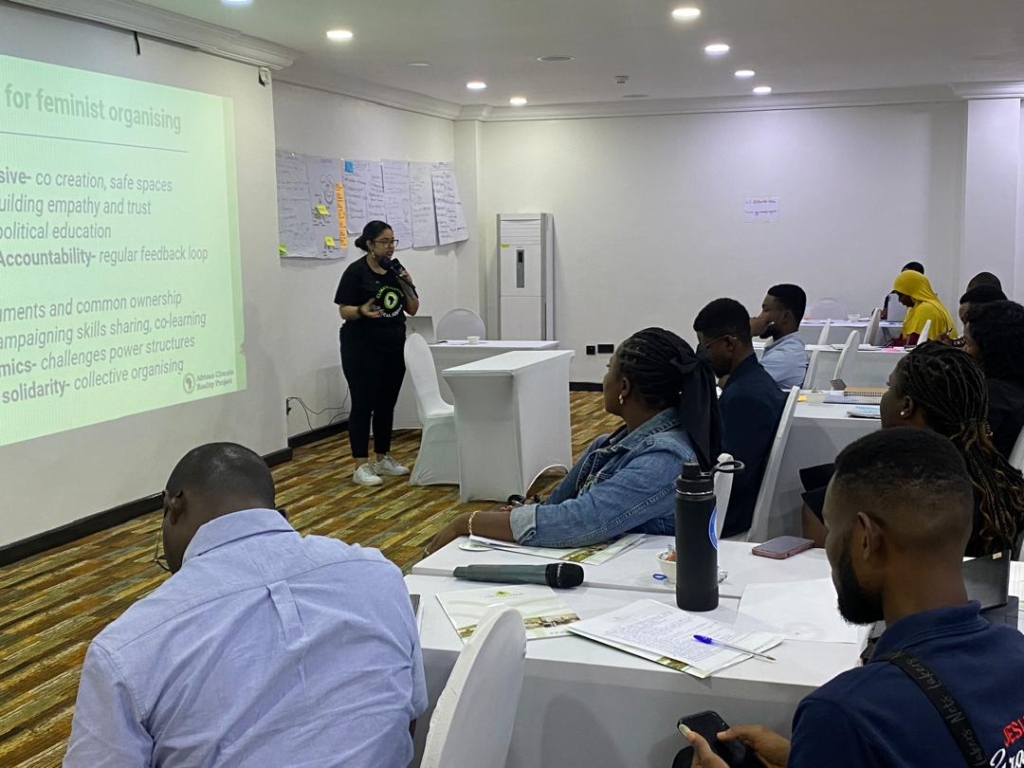
The two-day event, organised by the African Climate Reality Project, brought together activists and stakeholders to learn essential knowledge and skills needed to understand Development Finance Institutions (DFIs), their operations, and their pivotal role in financing developmental projects.
Speaking on the sidelines of the event, Zahra Omar from the Fair Finance Coalition of Southern Africa explained, “Usually, public finance institutions think that promoting economic development means that they need to finance certain kinds of industries.”

“What they don't see is that by financing, for example industries with high greenhouse gas emissions in a time of the global climate crisis, they are actually hindering economic growth in those countries. So what they need to do is advance sustainable development which means looking at the environmental and economic and social considerations of the financing,” she said.
Senior Campaign Manager at the African Climate Reality Project (ACRP), Courtney Morgan, emphasised the need for guidelines to shepherd public finance institutions' activities.
According to her, the ACRP advocates for transparency, equity, inclusion, accountability, and governance.
Madam Morgan also believes that development projects undertaken by public financial institutions should not commit human rights violations and should promote gender responsiveness.
For her, the creation of African-led solutions to the continent’s financing problems will promote a sustainable development agenda.
Executive Coordinator for the Strategic Youth Network for Development (SYND Ghana), Chibeze Ezekiel, lamented the fact that many multinational development banks have yet to fully embrace responsible financing in a just way.
As a measure, Mr Ezekiel urged activists to probe and understand the systems that are at play when it comes to these corporations to properly address the problem from within. This is one of the ways that the SYND head believes will help financiers better understand the real impact of irresponsible financing in their own terms.
He also called for collaboration, urging involvement in processes from the onset to have environmental issues reflected in policies.
Additionally, Ezekiel Chibeze advocated for feedback to banks to help them develop solutions that will improve the situation.
Latest Stories
-
Caveman Watches partners with Mfantsipim School for 150th anniversary
1 minute -
We’ll pursue GH¢15m defamation suit against Sammy Gyamfi to its logical conclusion- Afenyo-Markin’s lawyers
2 minutes -
Martin Kpebu urges Afenyo-Markin not to return to court over Sammy Gyamfi lawsuit
11 minutes -
GRA submits preliminary report on drug shipment case to Mahama – Commissioner-General
38 minutes -
Sammy Gyamfi using ‘procedural roadblocks’ to dodge defamation case? – Afenyo-Markin’s lawyers
40 minutes -
The illusion of a good deal: Why some everyday money-saving habits may be costing you more
55 minutes -
Family seeks autopsy, police investigation into death of student 12 days after Abomosu SHS enrolment
1 hour -
Trade Minister urges employers to leverage industrial opportunities to create jobs
1 hour -
Asantehene plants trees to commence Jimi Watercourse Rehabilitation destroyed by galamsey
2 hours -
15 arrested, 6 trucks impounded over sandwinning activities on Kumasi-Accra Expressway
2 hours -
OFFICIAL: Vinicius will miss El Clásico, suspended four games
2 hours -
Prayer vigil held after four arson attack murders
2 hours -
GRA fully recovers $154k legacy debt owed by foreign entities between 2022 and 2024
2 hours -
Kwesi Pratt Jr warns bus preachers are adding to passengers’ stress with accident prophecies
2 hours -
MTN Ghana to spend $1.1bn in 3 years, build 500 new sites as MoMo hits 44% Growth
2 hours