

Audio By Carbonatix
The formal presentation of the Bawku Peace Mediation Report by His Royal Majesty Otumfuo Osei Tutu II, King of Asante, to President John Dramani Mahama, President of the Republic of Ghana, marks a significant milestone in one of Ghana’s most protracted conflicts.
The months of engagement have given way to an even more delicate stage of reconciliation. The media’s role at this stage becomes not just critical but decisive; how the media tells the story after mediation and during reconciliation matters.
My research on the role of the media in conflict resolution, using the Dagbon chieftaincy conflict as a case study in 2019, offers important lessons for how Ghana’s media should operate after mediation processes conclude. The study, which analyzed coverage by Daily Graphic and Daily Guide alongside in-depth interviews with senior journalists and editors, found that while the media was not directly involved in formal mediation structures, it nonetheless functioned as an active, indirect actor in the peace process. This insight is particularly relevant to Bawku today.
Why the reconciliation phase is high-risk
Peace agreements and mediation reports do not necessarily translate into peace on the ground. In fact, the post-mediation phase is often the most fragile, where expectations are high, emotions remain raw, and interpretations of outcomes can easily become polarized.
In Dagbon, media reports played a crucial role in shaping public understanding of the peace process. A good number of reports during the mediation and immediate post-mediation period consciously emphasized calm, the legitimacy of traditional processes, and the need for coexistence. This peace-oriented framing helped generate public support for reconciliation and reduced the likelihood of renewed violence.
However, the research also showed that where reporting lacked context, relied on speculative commentary, or framed developments as wins and losses, tensions resurfaced quickly.
The Need for Conflict-Sensitive Reporting Guidelines
One of the key recommendations from my Dagbon study is the need for newsrooms to document their ethics and norms for conflict reporting in formal editorial policy guides. During the Dagbon process, a good number of journalists applied conflict-sensitive principles instinctively rather than institutionally. While commendable, this approach is inconsistent and risky.
Documented editorial policies on conflict reporting serve several vital functions. First, they provide clear guidance to journalists, especially younger reporters, on language use, sourcing, framing, and verification in conflict contexts. Second, they ensure consistency, preventing contradictory narratives within the same media house. Third, they protect media organizations by anchoring editorial decisions in agreed-upon ethical standards rather than individual bias.
In conflict situations, ambiguity can be dangerous. A single headline, poorly contextualized quote, or sensational framing can undo months of mediation. Conflict – reporting policy documents serve as guardrails, helping journalists navigate these risks responsibly.
As Ghana continues to grapple with communal and chieftaincy conflicts, newsrooms must invest in codified conflict-reporting handbooks or editorial policy guidelines, as this is no longer optional but a peacebuilding necessity.
The Bawku Peace Mediation Report offers Ghana a chance not only to resolve a conflict but to deepen a culture of peace. Whether that opportunity is realized will depend, in part, on how the media performs its role in the reconciliation phase.
The Dagbon experience has shown that responsible journalism can support healing. The challenge now is for Ghana’s media to apply those lessons deliberately, ethically, and consistently, because peace is not sustained by agreements alone, but by the stories we choose to tell.
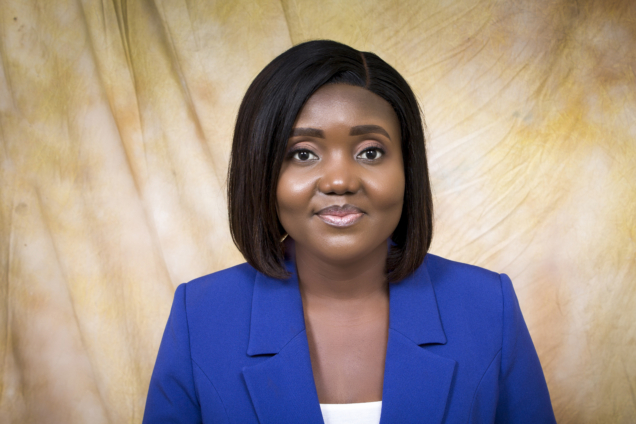
The author, Princess Sekyere Bih, is a communications and development professional and a graduate researcher whose work focuses on media, conflict, and peacebuilding in Ghana. She has researched the role of Ghana’s media in the Dagbon conflict resolution process.
Latest Stories
-
Mobile Money Fintech LTD, UMB train hairdressers and beauticians
2 hours -
Asylum votes show people want help, says Kemi Badenoch
3 hours -
Badenoch welcomes expanded grooming gangs inquiry
3 hours -
GACL MD sues Samuel Buabeng over alleged Facebook defamation
3 hours -
Christa Pike in critical condition after surviving two lethal injections, lawyer says
3 hours -
Kemi Badenoch backs face covering ban at protest
4 hours -
Man City not ‘above the rules’, says No 10 after backlash to Burnham remarks
4 hours -
Real Madrid submit ‘substantial’ dossier in Barca payments case
4 hours -
Messi completes purchase of second Spanish club
4 hours -
Government must engage horticulturists on tomato crisis – GhIH
4 hours -
King Promise’s ‘Can’t Tame Us’ becomes official Chelsea anthem
4 hours -
Afenyo-Markin demands Baffour Awuah’s release from EOCO’s custody, end to alleged political intimidation
4 hours -
Rapper Rick Ross arrested on domestic violence charges
5 hours -
Minority demands security review of Ghana-Colombia visa waiver and port deals
5 hours -
Pursue drug kingpins, not persecute political opponents – Afenyo-Markin tells EOCO
5 hours