

Audio By Carbonatix
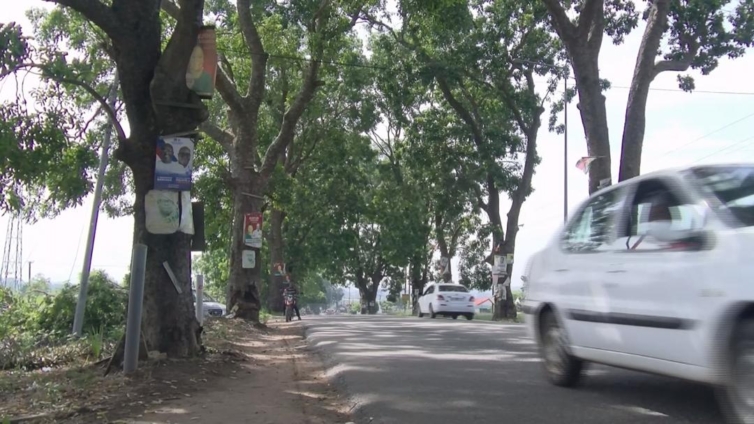
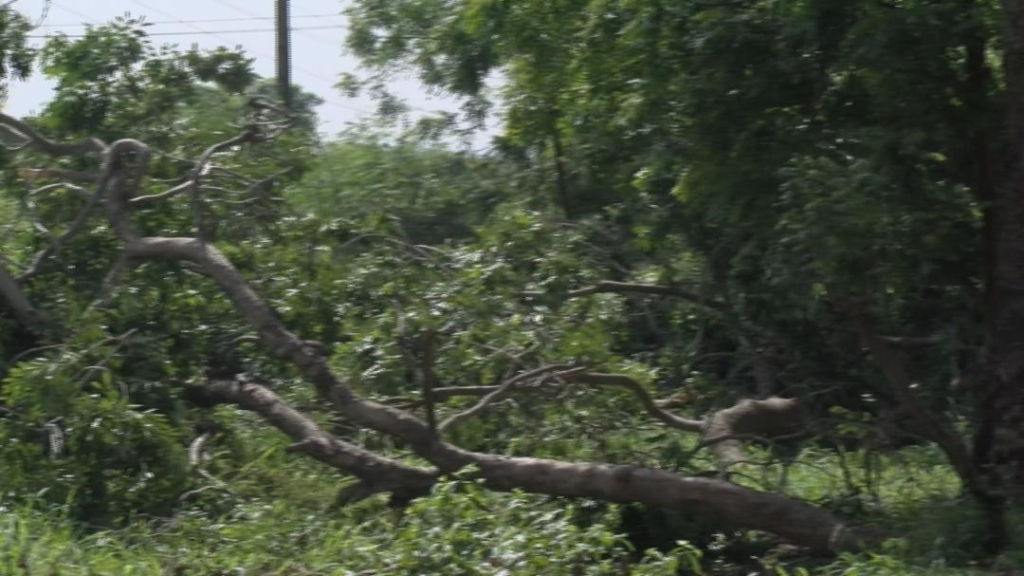
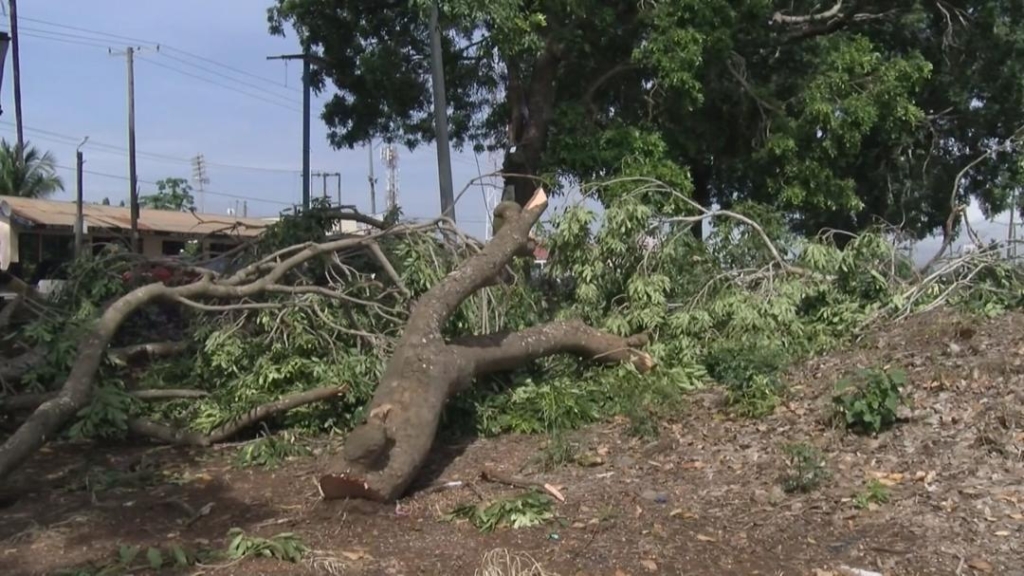
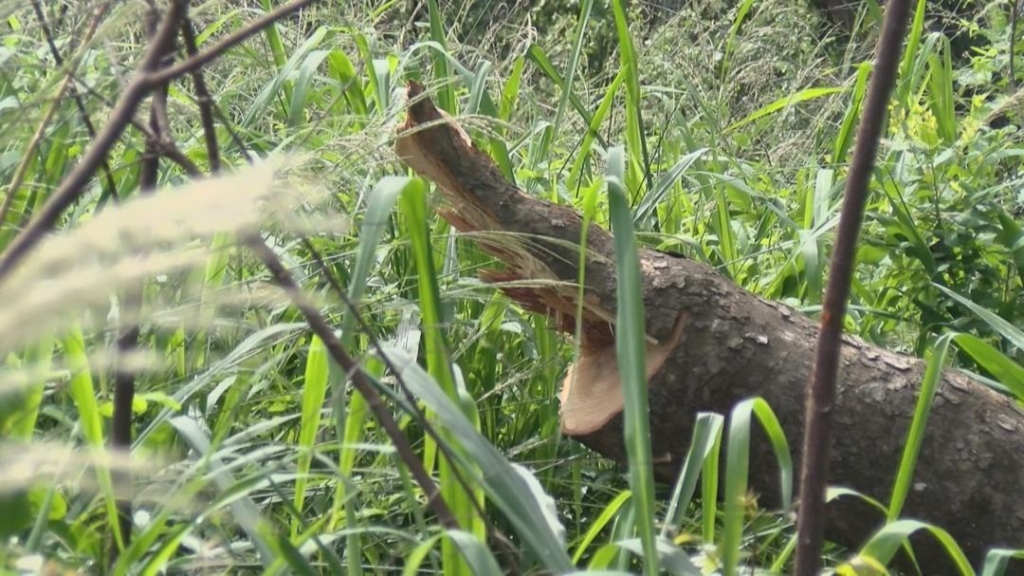
This week, chainsaws were heard along the tree-lined corridor near the Kwabenya Police Station in the capital, Accra, where authorities began pruning overgrown and weak branches. Several mahogany and other fragile trees have been marked for removal.
The operation sanctioned by the Forestry Commission granted the Ghana Atomic Energy Commission (GAEC) permission to fell eight mature mahogany trees, six leucaena trees, and prune 43 others. Officials cited urgent safety concerns like weakened tree structures, entanglement with power lines, and looming threats to motorists.
But not everyone is convinced. For many environmentalists and community members, the move represents a dangerous slide backward in Ghana’s already fragile climate agenda.
“This is environmental sabotage,” said Daryl Bosu, Executive Director of A Rocha Ghana, a leading conservation group.
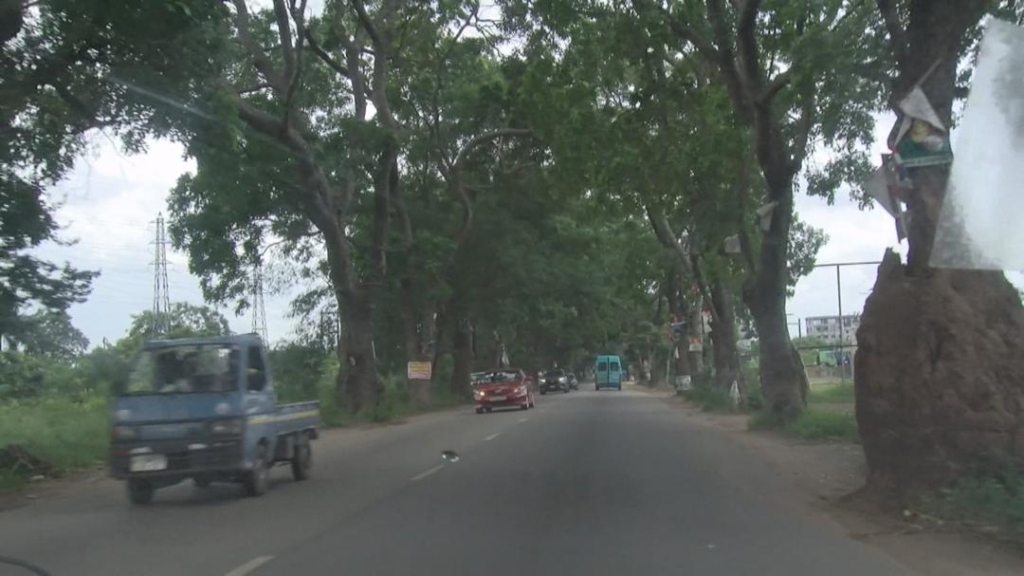
He said, “They are trees by the roadside, they look beautiful, they provide a significant benefit. They clean the air, they cool the environment. Once you drive through the area, you can be driving through the hot sun, once you get there you can feel the difference-the coolness of the air”
A rocha Ghana in a statement said, “The felling of trees along the Atomic-Kwabenya highway must cease immediately. A clear, enforceable plan for replanting and maintaining green cover is essential”.
The environmental advocacy group said, if trees must be cut, every removed tree should be replaced with two or more native species in suitable locations, and strict monitoring to ensure their survival.
Bosu’s concerns echo a growing sense of alarm within Ghana’s environmental circles. The Atomic-Kwabenya road in the capital is one of the last surviving tree arcades in an increasingly suffocating cityscape. With some mahogany trees believed to be over 60 years old, critics argue their removal chips away part of Accra’s climate resilience.
Safety or Destruction?
The Ghana Atomic Energy Commission insists its actions are measured, guided by technical assessments of tree health and public safety. The Commission said in a statement.
“We are following strict guidelines and remain committed to replanting.”
The Forestry Commission of Ghana supports that view, noting that GAEC has been instructed to replace any trees removed, aligning with Ghana’s national reforestation policy.
Manager, Corporate Affairs & Media Relations of the Forestry Commission, Joyce Ofori Kwafo, said “the Ghana Atomic Energy has been instructed to replace any trees they remove. The permit came with strict conditions to ensure proper replanting and pruning”.
She continued, “in our official communication with the Ghana Atomic Energy Commission, we made it explicitly clear that they have to replace all the trees they are removing”
However, critics like Zechariah Mwinisin, Executive Secretary of the Voluntary Work Camps Association of Ghana, remain unconvinced.
“Cutting down these trees undermines Ghana’s efforts to fight climate change,” he said. “It sends the wrong message when mature trees are sacrificed in the name of short-term fixes.”
In 2022, the previous government allocated 6 million cedis to the Green Ghana tree planting initiative. In 2023, that figure dropped to 2.5 million. That’s a little over half a million dollars for the two years of tree planting Environmentalists say cutting mature trees now defeats the very purpose of such programmes
Climate and the Canopy
Environmentalists argue that the removal of mature trees, especially in urban environments, runs counter to best practices in climate adaptation. According to climate scientists, large trees sequester significantly more carbon than saplings, regulate urban heat, and enhance biodiversity in increasingly paved-over cities. Their loss is not just aesthetic, it is atmospheric.
Environmental activist Joseph Adika, who describes himself as a lifelong lover of trees, believes this moment requires not just action, but introspection.
“We need to be educated about the value of trees. In Ghana today, I don’t think people truly understand what they mean.”
As Accra grows denser and hotter, the Atomic-Kwabenya trees have become more than roadside adornments. They represent a crossroads in Ghana’s development story. A test of whether the country can harmonize urban expansion with environmental conservation
Latest Stories
-
Mobile Money Fintech LTD, UMB train hairdressers and beauticians
32 minutes -
Asylum votes show people want help, says Kemi Badenoch
2 hours -
Badenoch welcomes expanded grooming gangs inquiry
2 hours -
GACL MD sues Samuel Buabeng over alleged Facebook defamation
2 hours -
Christa Pike in critical condition after surviving two lethal injections, lawyer says
2 hours -
Kemi Badenoch backs face covering ban at protest
2 hours -
Man City not ‘above the rules’, says No 10 after backlash to Burnham remarks
2 hours -
Real Madrid submit ‘substantial’ dossier in Barca payments case
2 hours -
Messi completes purchase of second Spanish club
2 hours -
Government must engage horticulturists on tomato crisis – GhIH
3 hours -
King Promise’s ‘Can’t Tame Us’ becomes official Chelsea anthem
3 hours -
Afenyo-Markin demands Baffour Awuah’s release from EOCO’s custody, end to alleged political intimidation
3 hours -
Rapper Rick Ross arrested on domestic violence charges
3 hours -
Minority demands security review of Ghana-Colombia visa waiver and port deals
3 hours -
Pursue drug kingpins, not persecute political opponents – Afenyo-Markin tells EOCO
3 hours