

Audio By Carbonatix
With less than 10 days to the 2024 presidential and parliamentary elections, questions are being raised about the future of the Free Senior High School Policy (FSHS), a major campaign message of the governing New Patriotic Party (NPP) before the 2016 election.
After seven years of running the programme, both the National Democratic Congress and the NPP have pledged to retain it, except for the NDC, which believes that some modification ought to be made to the implementation of the policy.
The second Coalition of Domestic Election Observers (CODEO) pre-election survey issued concerning the upcoming December 7 polls reveals that the campaign messages of the NPP focused largely on education accounting for some 88% of observer reports as compared to 77% in the case of the NDC.
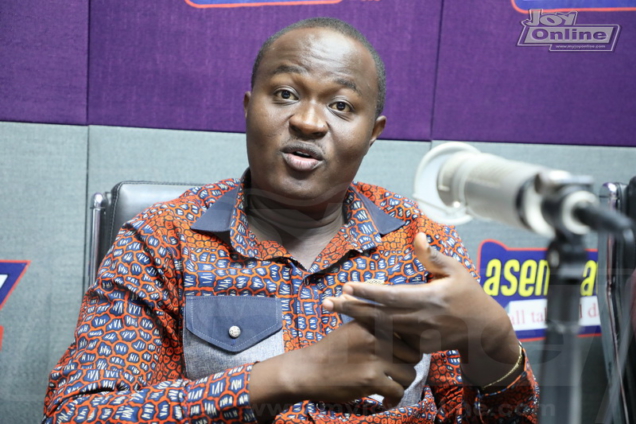
Speaking on JoyNews XSpaces, the Spokesperson for the Education Ministry, Kwasi Kwarteng warned against reviewing the Free SHS to exclude parents who can afford fees.
“Until we build first of all systems and data to be able to know or track the real income and earnings of parents, I am not sure it will be appropriate to. I mean to use the model that you are suggesting. Other than that if you are not very careful, you reduce the whole education system into educational apartheid where the rich can pay for the highly subscribed schools and the poor may not be able to pay for those highly subscribed schools."
Recounting his encounter with parents and stakeholders, Mr Kwarteng said he observed that many individuals claiming they are ready to pay for their children's education are often middle-income earners.
These individuals, who typically have relatively higher incomes, are frequently willing to go the extra mile to cover fees and secure admissions for their children in some specific A-listed schools.
This situation he says will leave out scores of children from assessing quality education in top-rated schools due to the inability of their parents to afford the fees.
“So for us, the Free SHS is not only a game-changer, but it is also an affirmative policy designed exactly and precisely to also give opportunity for students who will not be able to even afford the fees, in particularly the highly subscribed schools,” Mr Kwarteng added.
During his tour of the Western North Region on Tuesday, November 5, President Nana Akufo-Addo highlighted the achievements of the Free SHS programme, noting that over five million students have benefited since its launch in 2017.
The President emphasized that the programme has been instrumental in improving Ghana’s education system, allowing more students to pursue higher education.
President Akufo-Addo acknowledged that while there are challenges in implementing the Free SHS, the benefits have far outweighed the obstacles.
Latest Stories
-
Power restoration fault suspected in Kumasi Central Market fire
3 hours -
The 7-foot giant of Ngleshie Amanfro: Seven-foot Ghanaian Ephraim Saawa dreams of joining the national basketball team
4 hours -
Government promises support for Kumasi Central Market fire victims
4 hours -
Vibes The Movie: Big Ghun’s Ghanaian film earns five nominations at 2026 REFFA
4 hours -
MamaCare CEO warns unresolved conflicts among health workers could undermine maternal and neonatal care
5 hours -
Health professionals urged to translate medical knowledge into practice to save mothers
5 hours -
Conflicts among care providers linked to maternal, neonatal deaths – Expert
6 hours -
GIS marks 10th TIME conference, champions improved teaching practices
7 hours -
BRICS Or Balance? What Ghana’s bid really means
7 hours -
GPRTU wants full TRAFFITECH-GH implementation to start in 2027
7 hours -
Mahama announces plans to import electric wheelchairs for PWDs
7 hours -
KGL U17 Colts 2026: Western beat Prempeh Elite Academy to set up final final with Greater Accra Region
8 hours -
Late Solanke strike salvages 10-man Spurs draw at Man United
8 hours -
Gender Ministry to monitor welfare of Nana Akua Addo’s children amid domestic violence case
8 hours -
Benedict Okyere Yeboah: Ghana’s football problem goes beyond sacking a coach
8 hours