

Audio By Carbonatix
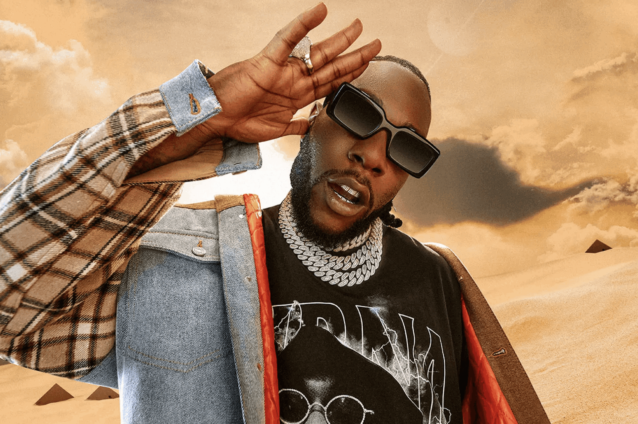
On November 12, 2025, Burna Boy made history by headlining Red Rocks Amphitheatre near Denver.
What should have been a high point for Afrobeats on a world stage instead produced a viral moment that sparked a useful debate about respect, context, and the business of live music.
Midway through his set the singer stopped after spotting a woman in the front row who appeared to be asleep.
He pointed to her and told the man beside her to take her home, saying he would not perform another song until they left.
Security then escorted the couple from the venue, and the show resumed. The clip spread quickly across platforms and split opinion online.
What is at stake here?
There are two simple truths that pull in opposite directions. First, a live show is a performer-driven experience.
Artists invest energy, time and money to create an atmosphere. When the audience does not match that energy, it can feel disrespectful to the artist and to everyone who paid to be part of the night.
Many people who defend Burna Boy view his interruption as an artist protecting the show.
Second, concertgoers are human beings carrying realities we often cannot see. After the clip spread online, the woman at the centre of the moment shared her side of the story.
She said she was exhausted, embarrassed and disappointed by how the incident was handled, explaining that the artist made no attempt to understand what she was dealing with before calling her out.
She revealed that she has been mentally, physically and emotionally drained following the death of her daughter’s father and that attending the concert was her attempt to feel joy again after a difficult period.
When private struggles intersect with a public moment, the result can look cruel, even if the intent was to protect the performance. That context changes how many people judge the action.
This is not just one-off theatre.
This event did not happen in a vacuum. Burna Boy has been involved in a number of onstage confrontations with fans in the past, and those patterns shape how the public reads incidents like this one.
For some fans repeated displays of onstage discipline read as strict professionalism. For others they read as unnecessary aggression. Either way, the pattern matters.
A balanced way forward for artists and the industry
If the goal is both to protect the integrity of a show and to avoid public humiliation for ticket holders, there are clear, practical steps venues and artists can take.
- Make crowd conduct clear before doors open
A short pre-show announcement or a line on tickets reminding fans that the event is for active participation sets expectations without public shaming. - Let venue staff handle sensitive interventions
Artists should have the final call on vibe, but removal or welfare checks should start with trained staff who can assess whether a fan is unwell, intoxicated, or simply tired. This reduces the risk of misreading the situation. - Train security for humane de-escalation
Security teams trained in medical triage and compassionate removal make it possible to maintain the show while protecting the dignity of attendees. - Build energy zones into the seating plan
Not every fan wants to dance for three hours. Designating standing pits, mixed zones and seated sections gives people choice and lowers friction. - Communicate afterward when things go wrong
If an incident becomes public, a short follow-up from the artist or the venue acknowledging context and any corrective steps helps calm the conversation and shows leadership.
Why this matters beyond one viral clip
The viral nature of the moment exposes something essential about modern music culture. Global artists are accountable not only to the crowd in front of them but also to millions watching clips online.
A single reaction can amplify reputations or damage them. That dynamic demands that artists and promoters think strategically about how they steward both their brand and the people who pay for the experience.
My take as someone in the business
As a creative arts advocate and music industry practitioner, I applaud artists who demand excellence from their shows.
At the same time, I reject public humiliation as a default tool. There are cleaner, kinder ways to protect the performance and the performer without turning a private human moment into a spectacle.
If the objective is to grow audiences and to build sustainable touring careers, then respect has to travel both ways. Artists should expect engagement.
Audiences should expect empathy. Venues and promoters must set the rules, and responsibility must be shared. That is how live music becomes better, not meaner.
About the author
Amelley Djosu is a marketing communications strategist, creative entrepreneur and journalist whose work sits at the crossroads of culture, creativity and commerce. She is known for delivering clear, compelling insights that influence thought and direction within the creative industry.
Latest Stories
-
Power restoration fault suspected in Kumasi Central Market fire
5 hours -
The 7-foot giant of Ngleshie Amanfro: Seven-foot Ghanaian Ephraim Saawa dreams of joining the national basketball team
5 hours -
Government promises support for Kumasi Central Market fire victims
5 hours -
Vibes The Movie: Big Ghun’s Ghanaian film earns five nominations at 2026 REFFA
6 hours -
MamaCare CEO warns unresolved conflicts among health workers could undermine maternal and neonatal care
6 hours -
Health professionals urged to translate medical knowledge into practice to save mothers
6 hours -
Retired judge Justice Francis Korbieh charges 1,568 new lawyers to uphold integrity
8 hours -
Conflicts among care providers linked to maternal, neonatal deaths – Expert
8 hours -
GIS marks 10th TIME conference, champions improved teaching practices
8 hours -
BRICS Or Balance? What Ghana’s bid really means
9 hours -
GPRTU wants full TRAFFITECH-GH implementation to start in 2027
9 hours -
How 10-mile walks for basic education birthed a 50-year legal career for Justice Korbieh
9 hours -
Mahama announces plans to import electric wheelchairs for PWDs
9 hours -
KGL U17 Colts 2026: Western beat Prempeh Elite Academy to set up final final with Greater Accra Region
9 hours -
Late Solanke strike salvages 10-man Spurs draw at Man United
9 hours