

Audio By Carbonatix
Savannah Regional-based non-governmental organization, Green for Change Ghana, has cautioned cashew farmers, particularly the young ones in the region to stop the unhealthy practice of working in isolation and competing among themselves all to the benefit of middlemen in the open market.
According to the organization, a significant percentage of smallholder farmers in Ghana are into cashew production but are being marginalized within the value chain, hence the need for intervention to enhance the knowledge to produce quality cashew nuts because buyers will continue to purchase nuts according to their qualities.
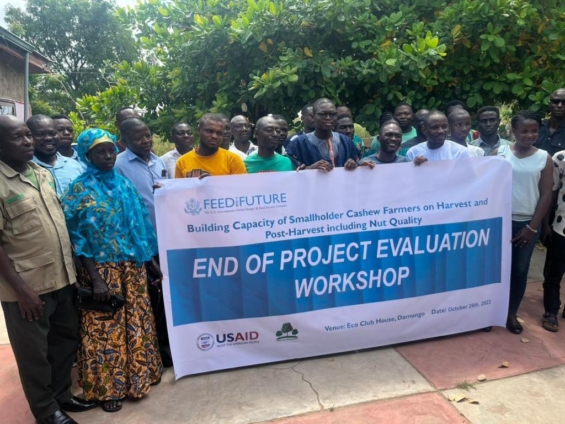
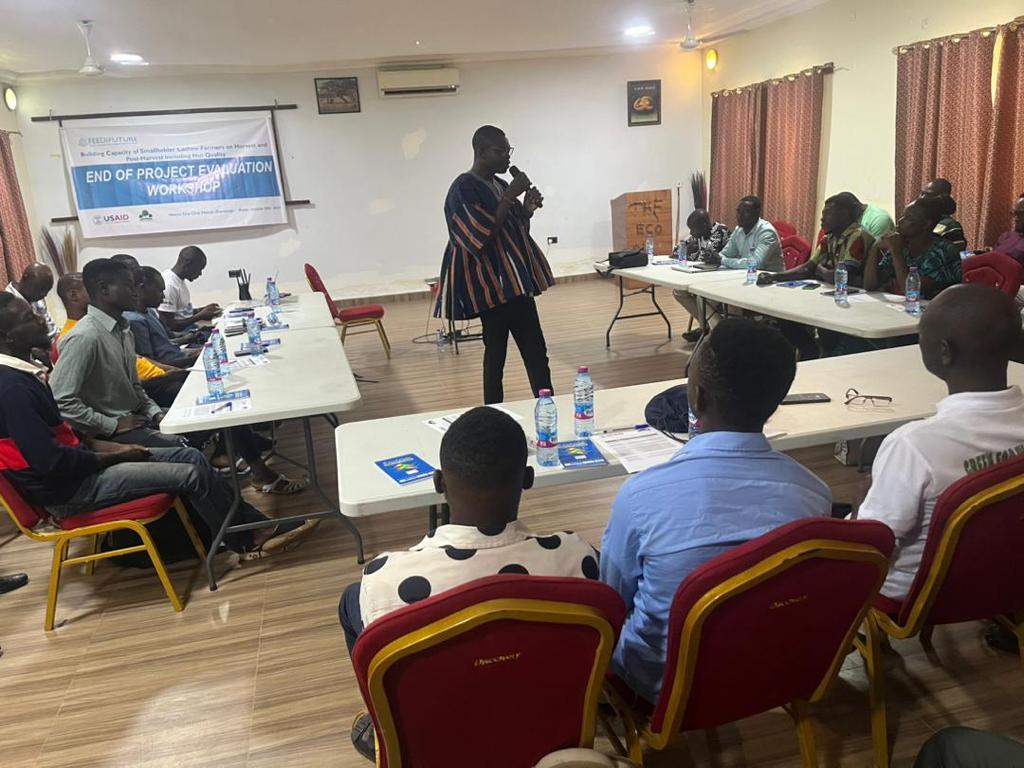
The Executive Director of Green for Change Ghana, John Balankoo Sumbo, said this during a workshop in Damongo in West Gonja to evaluate the success and challenges of a six-month training for the farmers, stating that farmers deserve the best from their sweat and need support.
GCG in partnership with Nathan Associates, initiated a project dubbed, “Empowering Smallholder Cashew Farmers for a Sustainable Future."
The project brought together 300 smallholder cashew farmers who will in turn, serve as ambassadors in their communities through a six-month intensive training on production quality, how to determine the quality of the nuts, moisture content, defective rate, and harvest, and how to prevent post-harvest losses including how to work in groups to sell their nuts.
Some 30 leading cashew farmers also benefited from the training.
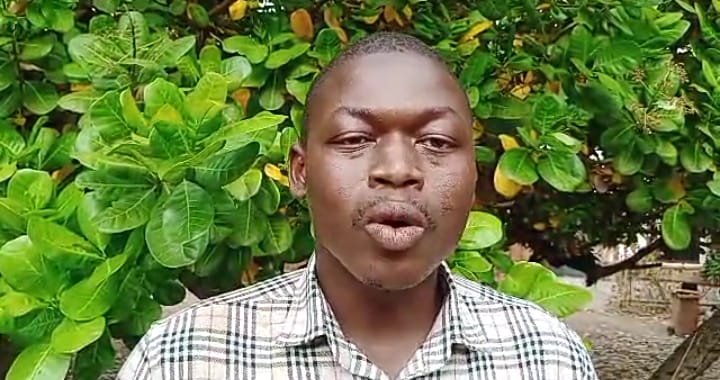
Mr John Balankoo Sumbo in an interview with Myjoyonline said their focus is to ensure that, "if farmers produce or harvest their nuts to meet these qualities, they can get premium prices for their Cashew nuts."
The project, which was implemented in collaboration with the Ghana Trade and Investment Program, was funded by the United States Agency for International Development (USAID) under the Feed the Future programs.
The Executive Director added that the project evaluation served as a potent platform for beneficiaries and stakeholders to share their success, the outcome of the implementation, the lessons learned, challenges encountered, and the way forward.
"So, seeing here are beneficiaries and stakeholders from the Community and Municipal levels doing something in the cashew landscape so that we can share with them the lessons we learned during the implementation period and during the workshop, people (beneficiaries) were excited about their achievements chalked within the six months particularly, the lead farmer approach adopted in empowering grassroots structures, deepening knowledge and community level", John Balankoo Sumbo.
The project was implemented in six communities in the West Gonja Municipality.
They include Bonyanto, Soalepe, Tarlorpe, Achebunyor, Businu and Jonokponto.
The Executive Director indicated that before the implementation of the project, surveillance was carried out with stakeholder consultation, and engagement of key actors within the cashew value -chain, "to introduce to them what they are doing and to also prevent duplication of efforts by having several Civil Society Organisations (CSOs) doing something in the value chain."
"We engaged them in the project intervention and we got their buy-in and cooperation after the six months and after the implementation period, we needed to share with them the outcome of the implementation."
One of the beneficiaries, Alidu Shahadu on behalf of his colleagues, commended Green for Change Ghana for the training and promised to make good use of the knowledge acquired to the benefit of their households and the industry.
"In fact, during the training, it was interesting to know our weaknesses and things we were not doing right. But now, we have put them behind us and to work together, to support ourselves by putting into use the knowledge we acquired from the six months of training."
An officer from the West Gonja Municipal Agriculture Department, Ezekiel Akwasi Gariba lauded the intervention describing it as an eye-opener to the farmers who have suffered at the hands of middlemen.
"And I know that from now on, these farmers would not allow any middlemen to cheat them with their low prices again", he noted.
The NGO in partnership with the forestry division and World Vision Ghana, has distributed a total of 2,645 seedlings of Kopok, manago, cassia, and boabo with over 60% of them being cashew for reforestation and environmental preservation.
Latest Stories
-
National Sports Fund needs strong leadership from the top – Administrator David Wuaku
50 seconds -
JoySports Exclusive: Steve McLaren in talks with GFA after expressing interest in Black Stars job
6 minutes -
Fire guts auto parts warehouse at Bubuashie, one fire officer injured
13 minutes -
I owe my victory to coach Ofori Asare – Allotey after winning WBA Africa Gold Super Flyweight belt
17 minutes -
Church of Pentecost supports over 2,000 BECE candidates in Obuasi with career guidance seminar
2 hours -
Brandon Asante and Coventry all but promoted to Premier League despite Sheffield Wednesday draw
2 hours -
GPL 2025/26: Late Kwartemaa strike downs Hearts in Tema
2 hours -
Ghana Faces Sierra Leone Moment as Prosecutorial Powers come under strain
2 hours -
Don’t consume fish or seafood from Tema Shipyard until further notice – FDA warns
3 hours -
Why volunteering might be Africa’s most underrated career accelerator
3 hours -
ActionAid Ghana raises concern over gender gaps in Feed Ghana Programme
3 hours -
Windstorm wreaks havoc in Gushegu, displacing nearly 2,000 residents and damaging schools
3 hours -
Friends of Bridget Bonnie Marks her 35th birthday with donation to Kasseh Model Health Centre
4 hours -
From Ekumfi Kokodo to the Pulpit Stage: Essi Donkor’s gospel journey takes shape
4 hours -
Landfilling waste management creates no value, it’s an economic waste
4 hours