

Audio By Carbonatix
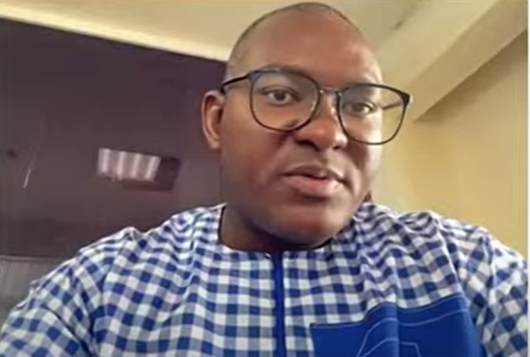
A Lecturer at the Kofi Annan International Peacekeeping Training Centre (KAIPTC), Dr Victor Doke, has called for urgent intervention by regional and continental bodies to prevent a broader crisis across West Africa.
Speaking on JoyNews' AM Show on Monday, April 27, he warned that “the situation is very, very dire” following recent rebel attacks in Mali, adding that instability could quickly spread across the region if action is delayed.
“We are in an uncertain situation… especially bordered by countries that have experienced activities of armed elements. So, the situation is very, very dire,” he said.
Dr Doke urged the Economic Community of West African States (ECOWAS) and the African Union (AU) to act immediately to contain the threat.
“The ECOWAS needs to come in. AU needs to come in,” he stated, adding that the urgency cannot be overstated.
“Regional bodies need to come in ASAP… even before ASAP, because then the situation will get dire,” he said.
"We are looking at how the insecurity is going to build up and then the momentum in which it's going to build up; nobody can control it. Not even the Malian government can control it"
This comes after Mali’s Defence Minister, General Sadio Camara, was killed during coordinated attacks on military sites nationwide.
Mali, which has been grappling with internal conflict since 2012, has faced increasing difficulty in combatting terrorism and extremism despite international support.
He called on West African defence ministers to coordinate a clear and decisive response.
“Countries have their defence ministers… they should sit and then plan on how to respond to such situations,” he said.
Dr Doke explained that the evolving nature of armed groups in the Sahel makes the situation more dangerous than in previous years.
“Armed groups have become very much structured, very well organised, have a financing mechanism with regard to their operations and activities and have sponsors,” he said.
He added that these groups are increasingly working together rather than acting alone.
“They are no more willing to act individually, but would be willing to coordinate or cooperate with other affiliates… to achieve a certain goal,” he said.
According to him, the growing coordination among armed groups could embolden similar movements across neighbouring countries.
“This would also send a signal to other armed groups in Nigeria, in Burkina Faso, in northern Togo and Benin… to collaborate… to try and attack or cause havoc,” he warned.
He cautioned that the speed at which insecurity could escalate may soon overwhelm national efforts.
“We are looking at the insecurity that is going to build up and the momentum in which it is going to build up, nobody can control it. Not even the Malian government can control it,” he said.
Despite Mali’s withdrawal from ECOWAS, Dr Doke said that regional cooperation on security must continue.
“The fact that they are out… does not mean we should leave them for them to go on this fight alone,” he explained, noting that instability in Mali would directly threaten neighbouring countries.
“We know why, it is for the security of our nation… which will be threatened if these countries go down,” he added.
Dr Doke also pointed to the reported killing of Mali’s defence minister as a major setback, warning it could weaken the country’s military resolve.
“The government is shaky now because you have your defence minister who is more like the architect of your defence mechanism,” he said.
“If this man has been taken out, it means that you would expect morale will be down,” he added, saying that the development represents a significant gain for armed groups.
“It means… they have chalked a great success that has never been chalked before,” he said.
Latest Stories
-
Power restoration fault suspected in Kumasi Central Market fire
4 hours -
The 7-foot giant of Ngleshie Amanfro: Seven-foot Ghanaian Ephraim Saawa dreams of joining the national basketball team
5 hours -
Government promises support for Kumasi Central Market fire victims
5 hours -
Vibes The Movie: Big Ghun’s Ghanaian film earns five nominations at 2026 REFFA
5 hours -
MamaCare CEO warns unresolved conflicts among health workers could undermine maternal and neonatal care
6 hours -
Health professionals urged to translate medical knowledge into practice to save mothers
6 hours -
Conflicts among care providers linked to maternal, neonatal deaths – Expert
7 hours -
GIS marks 10th TIME conference, champions improved teaching practices
7 hours -
BRICS Or Balance? What Ghana’s bid really means
8 hours -
GPRTU wants full TRAFFITECH-GH implementation to start in 2027
8 hours -
How 10-mile walks for basic education birthed a 50-year legal career for Justice Korbieh
8 hours -
Mahama announces plans to import electric wheelchairs for PWDs
8 hours -
KGL U17 Colts 2026: Western beat Prempeh Elite Academy to set up final final with Greater Accra Region
9 hours -
Late Solanke strike salvages 10-man Spurs draw at Man United
9 hours -
Gender Ministry to monitor welfare of Nana Akua Addo’s children amid domestic violence case
9 hours