

Audio By Carbonatix
Districts that share borders with areas that experienced lockdown between March and April this year were the most affected by the Covid-19 pandemic, a study by the Ghana Statistical Service (GSS), has shown.
As unlikely as it may seem, the research sample which was drawn from districts across all the 16 regions and data collected from 2,770 localities indicates that businesses in border areas experienced a significant reduction of sales during the lockdown period and along with it, increased poverty levels for some of the vulnerable in these communities.
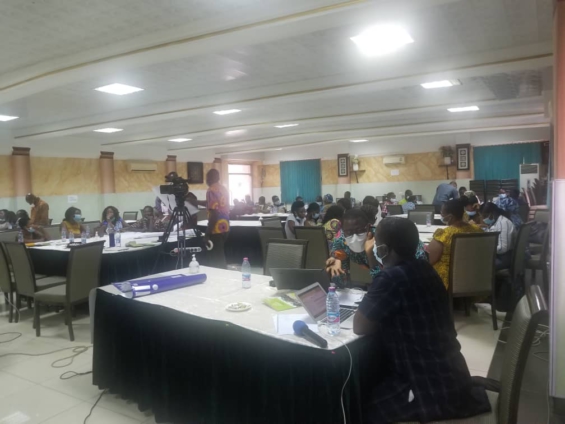
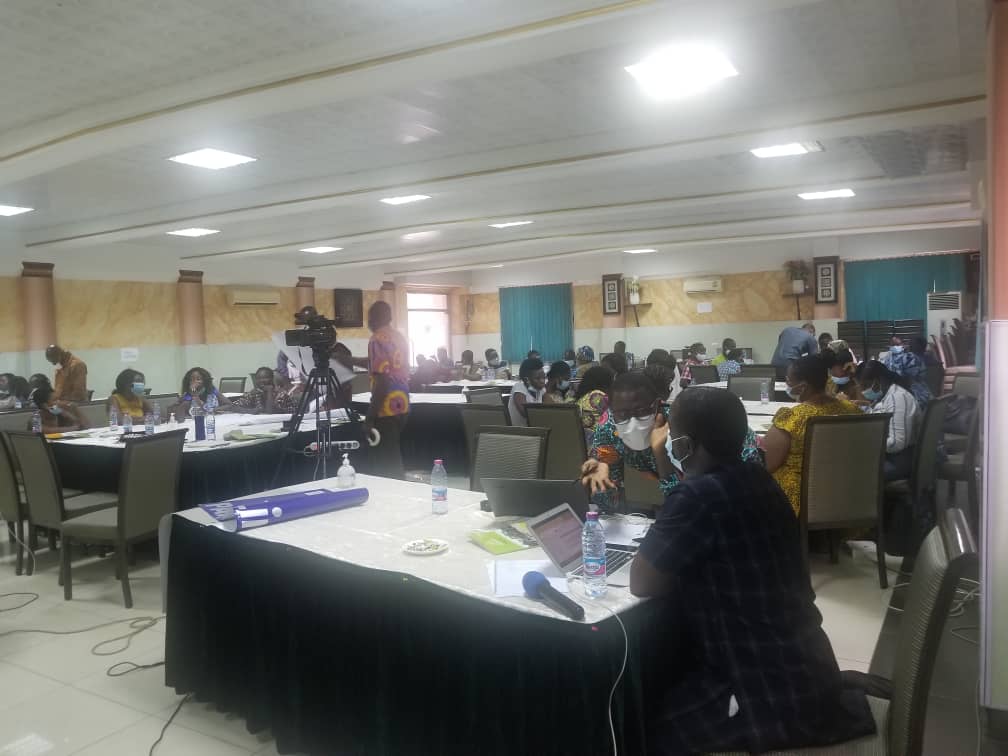
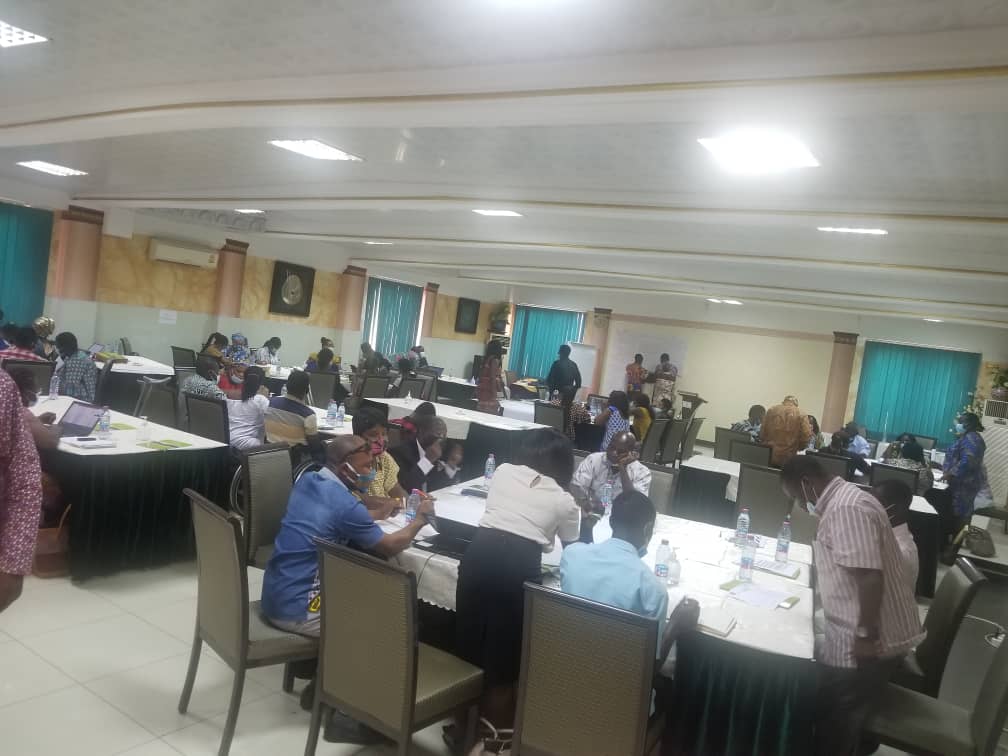
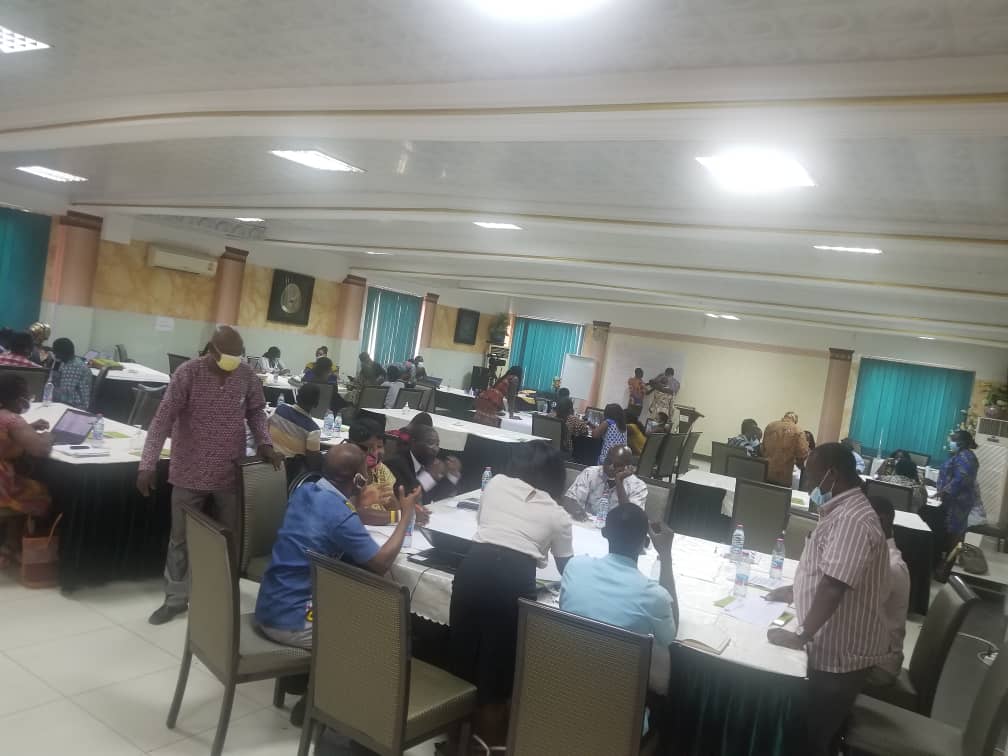
This was revealed by George Agbenyo, Regional Statistician at the Ghana Statistical Service in the Northern Region. Mr Agbenyo was speaking at a day’s forum organised by Send Ghana with support from the United Nations Children’s Fund (UNICEF Ghana).
According to the survey, 93.2% of localities in border districts reported they had few customers, localities in other districts closely followed with 89.0% and 83.8% of localities in lockdown areas.
In contrast localities in lockdown districts had the highest contraction in labour supply of 41.5% and cost of credit 29.6%.
The multiplier effect of these were felt hard by many of the country’s poor and vulnerable some who were already underserved by social protection services like the National Health Insurance Scheme (NHIS) of the Livelihood Empowerment Against Poverty Programme (LEAP).
“We want to be able to track these concerns from these groups so that in planning for the country’s response going into the future, we would know how to support government,” said
Breaking down the economic impact of Covid-19, Mr … said 89.7% of the localities engaged said they had low market, 71.7% said the pandemic led to a reduction in production, 36.0% said there was limited labour supply, 25.9% said the Covid-19 caused high cost of credit, 4.5% saw increase in production and 11.3% selected others.
Furthermore, the survey disclosed that crime related issues saw a significant increase during the lockdown as 34.1% of respondents reported a rise in crime with theft being the predominant case with 34.1%.
Meanwhile, about 71.3% of localities say they received some form of assistance to mitigate the adverse effects of Covid-19 with areas in lockdown districts receiving most of the assistance.
In the open forum, several identifiable groups told their own stories of how covid-19 had impacted their livelihoods. First was Soale Adiza, a 23-year old SHS graduate from Savelugu in the Northern region who spoke on behalf of adolescent people.
Presenting findings of impacts of the pandemic on adolescents in the Northern Region, a Senior High School graduate, Soale Adiza said the advent of the disease has increased child abuse, teenage pregnancy and other social vices.
“Now young girls are going into prostitution because they don’t have jobs and for some, they do not have schools to keep them busy,” she said.
According to her, the disease has caused loss of jobs amongst the youth and has reduced the touch of discipline in children since school have been closed.
Miss Adiza also stressed that technology is accessible in all parts of the region, therefore, students in the area are lagging behind since their colleagues in other parts of the country are studying online.
“Our parents do not have enough money to get smartphones for themselves, so why would they buy one their children to use?” she quizzed.
The SHS graduates then suggested that government creates jobs to recruit the unemployed youth. She also added that government must provide personal protection equipment for all students should school resume.
On his part, representative of Persons with Disability (PWDs), Abdul Majid Sulemana said although the free water provided by government at the height of the pandemic was beneficial to the citizenry, physically challenged persons hardly benefited.
According to him, water vendors refused to sell water as a results PWDs had to commute long journey to have access portable water.
“Government should next time allocate a certain percentage of beneficiaries who are within PWDs bracket so that such initiatives would be targeted.”
Mr Sulemana also suggested that government must find effective ways to enforce policies like free water and electricity so that the citizenry would not disregard a government directive.
The representative of Livelihood Empowerment against Poverty (LEAP) beneficiaries in the Upper West Region, Baylor Suuribaare Osman said the covid-19 has collapsed a lot of businesses.
He also indicated that LEAP beneficiaries did not enjoy any of government’s freebies introduced to cushion them during the pandemic.
Mr Osman then recommended that increase the LEAP money for beneficiaries adding that “government must ensure that all beneficiaries get their benefit of the Covid-919 relief fund.”
He also asked government to renew put in place measures that would quickly renew National Health Insurance of LEAP beneficiaries so that they can access health services at all times.
The advent of Covid-19 has adversely affected every sector and household in the country. The forum in the northern region is the third of such, organized by SEND Ghana.
The team would be finalizing a report which would be shared with government and other relevant stakeholders to inform policy in the times of similar pandemics that may arise in the future.
Latest Stories
-
T-bills auction: Government exceeds target marginally; yield on 91-day bill remains unchanged
3 hours -
GPL 2026/27: 10-man Aduana hand Kotoko defeat in Kumasi
3 hours -
GPL 2026/27: Medeama ease past Basake Holy Stars
4 hours -
Appiah Adomako writes: Why DVLA must stop treating every expired licence holder as delinquent
4 hours -
Localization must transfer decision-making power, not just project responsibilities
4 hours -
Modernising Ghana’s traditional markets through the 24-Hour Economy markets initiative
4 hours -
New economy will boost local production and create jobs – Finance Minister
4 hours -
Real-Time VAT on cross-border digital services – not a new tax and does not violate double taxation principle
5 hours -
Digitalisation, AI key to Ghana’s tourism transformation – GHATOF
5 hours -
Stronger GTA-private sector partnership needed to grow tourism – GHATOF
5 hours -
Amazon eyes Ghana for broadband expansion after talks with Mahama
6 hours -
National Investment Quiz 2026: Six schools qualify for quarter-finals
6 hours -
‘Do not let Russia pay for its madness with lives of your people’ – Zelensky to Ghana, 46 other countries
7 hours -
6,079 promotion cases fully processed and paid – CAGD says amid nationwide teachers’ strike
7 hours -
Teacher unions to meet government Monday over nationwide strike
7 hours