

Audio By Carbonatix
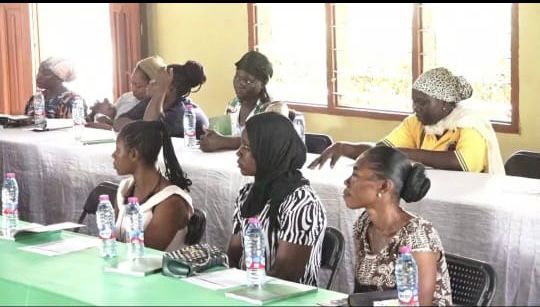
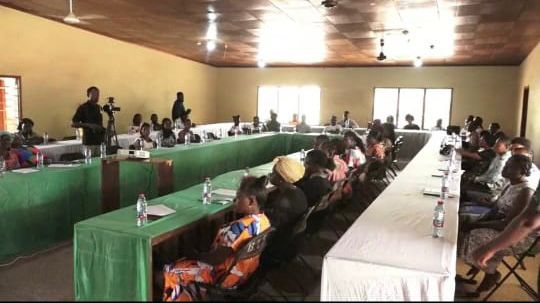
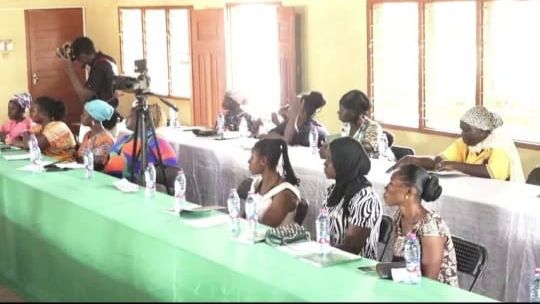
A major step towards reducing post-harvest losses and boosting rural livelihoods was taken today as the Ghana Private Sector Competitive Programme II (GPSCPII) launched a week-long training on cashew apple processing and total product utilisation in the Jaman South District.
The initiative, funded by the Swiss Government through the State Secretariat for Economic Affairs (SECO), has brought together 100 women and youth—74% of whom are female—to learn how to transform the often-wasted cashew apple into high-value products such as juice, jams and other derivatives.
A Critical Gap in the Value Chain
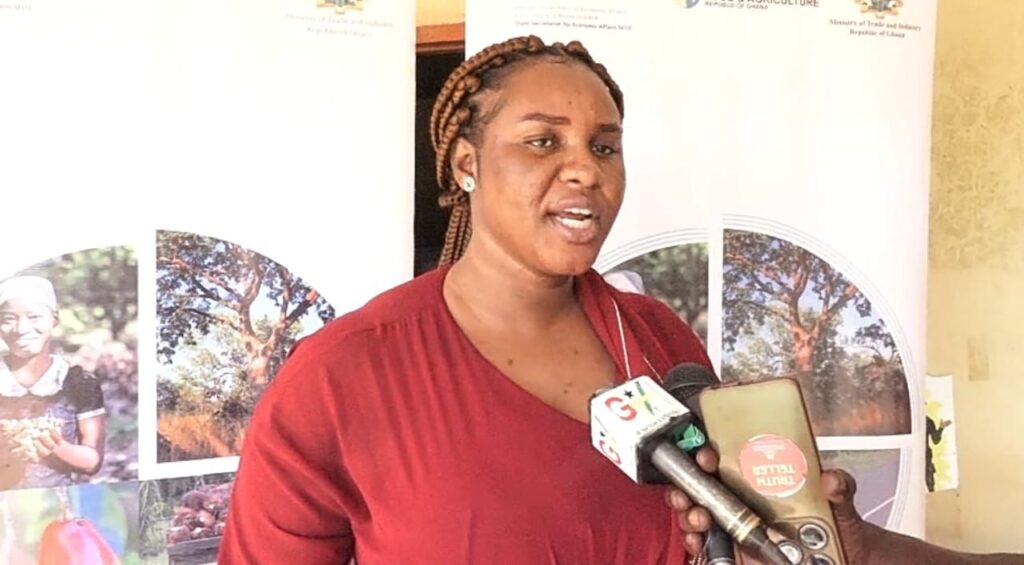
In her opening remarks, Juliana Ofori-Karikari, Team Lead of GPSCPII, highlighted the enormous untapped potential of the cashew apple. While Ghana’s cashew nut production is booming, roughly 2.4 million tonnes of cashew apples—representing 90% of the total fruit yield—go to waste each year.
“Cashew apple contains some of the highest vitamin C concentrations among tropical fruits, boasting 4–5 times more vitamin C than oranges and 12 times more than pineapple,” Ms Ofori-Karikari noted. “This training is a practical step towards transforming that challenge into an opportunity for income generation, improved nutrition and job creation.”
She reaffirmed GPSCPII’s commitment to value addition and inclusive growth, stating that equipping local actors with the right tools and knowledge can drive long-term transformation across Ghana’s agricultural sector.
Government Support at the Local Level
The Municipal Chief Executive (MCE) for Jaman South, Hon. Siatta Ouattara, who graced the occasion, called on cashew farmers to collaborate closely with officers from the Ministry of Food and Agriculture to improve their knowledge and boost yields.
“The use of the cashew fruits will not only increase your income but also boost the local economy,” Hon. Ouattara emphasised. She urged participants to take the training seriously, noting that reducing waste along the value chain is key to sustainable economic development at the district level.
A Collaborative Effort
Ms Ofori-Karikari extended sincere gratitude to the Swiss Government (SECO) for its continued funding and support, as well as to key partners including the Ministry of Food and Agriculture (Directorate of Crop Services and Women in Agricultural Development), the Ministry of Local Government, Chieftaincy and Religious Affairs (MLCR), the Jaman North Municipal Assembly and GIZ.
“Such partnerships are essential to ensuring that our interventions are relevant, effective and sustainable,” she said.
Beneficiaries Express Gratitude
The training has already received an enthusiastic response from participants. Several beneficiaries took turns thanking the organisers for the insights, expressing optimism about starting their own small-scale processing businesses.
“I never knew the cashew apple was so valuable. We have been throwing away money all these years,” one female participant shared. “Now I have the skills to make juice and jam to sell in my community.”
Another young beneficiary added, “This is a real opportunity for us to be self-employed and reduce poverty. We are grateful to GPSCPII and the Swiss Government for thinking of the youth.”

Looking Ahead
As the week-long training unfolds, participants will receive hands-on instruction in hygiene, processing techniques, packaging and basic business management. The goal is not only to reduce post-harvest losses but also to create new pathways for entrepreneurship and local economic development in Ghana’s cashew sector.
With 90% of the cashew fruit previously going to waste, initiatives like this mark a turning point—transforming what was once discarded into a sustainable source of nutrition, income and resilience for rural communities.
Latest Stories
-
The Traffitech-GH SMS spot-fine system: The good, the sad, and the funny – Bright Simons writes
8 minutes -
Hawa Koomson pledges experienced and mature leadership of NPP women’s wing
1 hour -
Young woman found dead at Kasoa Peace Town
2 hours -
Playback: The Law examined lawful arrest in Ghana
2 hours -
Mahama urges African governments to treat healthcare as an investment, not budget cost
3 hours -
Bawumia congratulates John Boadu and new NPP executives, pledges support ahead of 2028
3 hours -
‘No talent should be left out’ – Bawumia pledges inclusive NPP campaign for 2028
3 hours -
Prof. Mike Oquaye recounts how he blocked the Special Prosecutor’s attempt to arrest Bawku Central MP
3 hours -
Make health sovereignty a priority for Africa – Mahama
3 hours -
Dorimon Naa, Wa West DCE lead massive clean-up exercise; threaten sanctions against recalcitrant residents
4 hours -
Photos from Adom FM Y2K Jam
4 hours -
Praye Tiatia steals the show at Adom FM Y2K Jam [Watch]
4 hours -
Boakye Agyarko congratulates John Boadu, pledges support for NPP leadership
4 hours -
Antwi HiMight thrills fans with Antwi ne Antwi hits at Adom FM’s Y2K Jam [Video]
4 hours -
Amb. Edward Boateng congratulates Boadu, Kodua on election wins
5 hours