

Audio By Carbonatix
The UK and Norway have signed a defence pact that will see them operate a combined fleet to hunt Russian submarines in the North Atlantic.
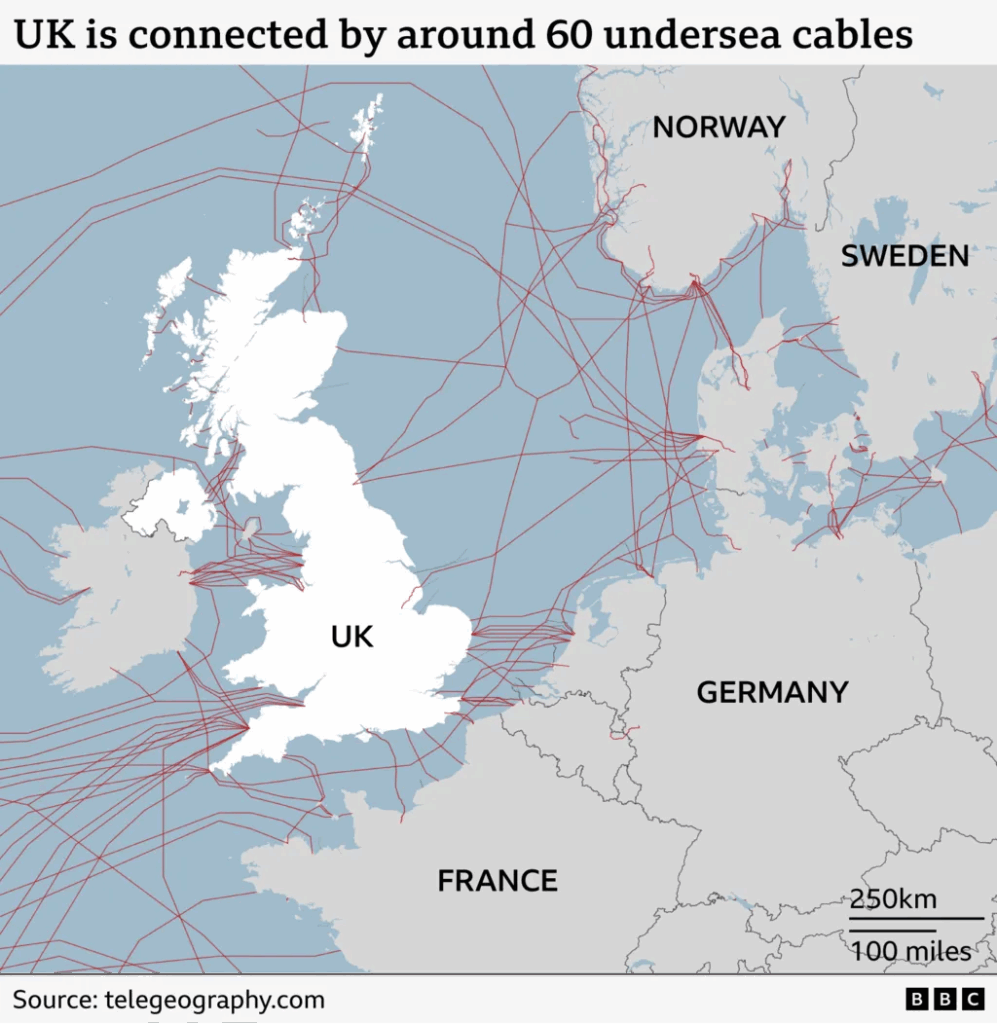
The deal is designed to protect undersea cables - which British officials say are increasingly under threat from Moscow, with a 30% rise in Russian vessels spotted in UK waters over the past two years, according to the Ministry of Defence (MoD).
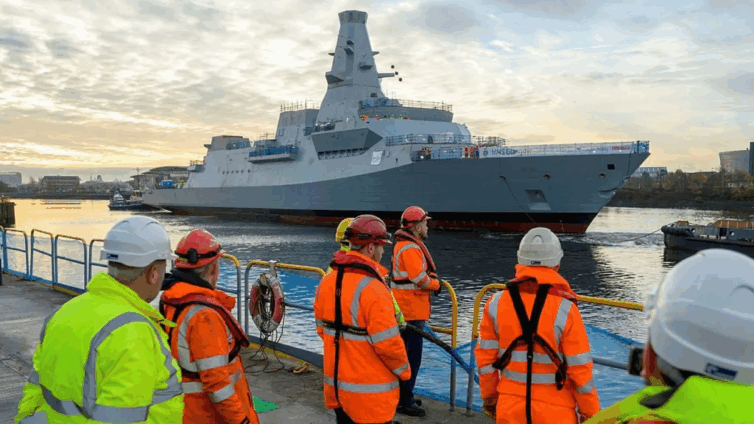
Under the agreement, the navies from the two Nato members will operate a fleet of British-built Type-26 frigates.
UK Prime Minister Keir Starmer called the agreement "historic", saying it strengthened the UK's ability to protect critical infrastructure.
The announcement came as Sir Keir welcomed his Norwegian counterpart, Jonas Støre, to RAF Lossiemouth in northern Scotland on Thursday.
The prime minister told reporters while there that the UK must "remain vigilant to the ever-present threat" Russia poses, referencing the outcome of an inquiry into the death of Dawn Sturgess.
The mother-of-three died after being exposed to the same Russian nerve agent Novichok used in the attempted assassination of Russian double-agent Sergei Skripal in 2018. The inquiry found Russian leader Vladimir Putin was "morally responsible" for her death.
The two leaders are due to hear from maritime patrol crews who have been tracking Russian vessels, including the spy ship Yantar, which was recently accused of pointing lasers to disrupt RAF pilots.
Russia describes Yantar, which is operated by the country's Ministry of Defence, as an oceanic research vessel. Western nations have often tracked it in European waters and they suspect part of its mission has been to map undersea cables.
Britain is heavily reliant on its network of undersea cables that carry data. There are also vital oil and gas pipelines connecting Britain to North Sea neighbours such as Norway.
The Lunna House agreement - named after the Shetland Isles base used by the Norwegian resistance during the World War Two - is backed by a £10 billion UK-Norway warship deal signed in September.
Norwegian Defence Minister Tore O Sandvik, who signed the deal with UK Defence Secretary John Healey, said the two countries would "defend themselves together".
At least 13 anti-submarine ships from the UK and Norway - at least five of them Norwegian - will operate jointly in northern Europe.
The warships will monitor Russian naval movements in the waters between Greenland, Iceland and the UK, defending seabed cables and pipelines critical to British communications, electricity and gas networks.
The agreement also extends to joint war gaming, and the use of UK-built Sting Ray torpedoes. Royal Marines will also receive training in Norway to fight in sub-zero conditions.
The two countries will also collaborate to develop "motherships" for uncrewed mine hunting and undersea warfare systems, and the Royal Navy will adopt advanced Norwegian Naval Strike Missiles, which can take out enemy ships at ranges of more than 160km (100 miles).
Healey said: "In this new era of threat and with increasing Russian activity in the North Atlantic, our strength comes from hard power and strong alliances."
The UK and its Nato allies have become increasingly concerned about the risk Moscow poses to underwater cables and pipelines, amid heightened tensions following the invasion of Ukraine.
The Ministry of Defence has also come under criticism from a committee of MPs for being over-reliant on US defence resources and not being prepared to defend the UK and its overseas territories from military attack.
Attacks on undersea infrastructure could cause "catastrophic disruption" to the financial and communications systems Britons rely on, the National Security Strategy Committee warned in a September report.
Latest Stories
-
Imagination Africa, Mentors Chess Academy to host second African Genius Chess Championship at Ghud Park
3 hours -
Saudi man charged with planting ‘sophisticated’ recording device in OpenAI office
3 hours -
Ghana wins UN Human Rights Council seat as calls grow for action against atrocities
3 hours -
Royal Mail losing 400 postal workers a week, says union
3 hours -
Techiman South MP ends decades of water struggle in Asutia
4 hours -
Three things we’ve learnt about the UK economy from the IMF
4 hours -
Nana B passport claims a diversionary tactic — Abu Jinapor
4 hours -
Pope Leo diagnosed with cancer as doctors remove lobe of lung, Vatican says
4 hours -
Legal Aid Commission takes free legal services to Techiman main lorry terminal
4 hours -
Nana B denies seeking passport favour, accuses Ablakwa of failing to account for GH¢16.4m
4 hours -
Young girls demand climate action, stronger protection against child marriage
4 hours -
Ex-gang boss sentenced to 40 years for orchestrating Tupac Shakur’s murder
4 hours -
From near-deferral to three awards: UMaT graduate’s academic journey
4 hours -
Atta Akyea denies seeking presidential pardon for Wontumi in galamsey case
5 hours -
Sasaabi scam centre busted: 19 arrested, 117 trafficking victims identified in global crackdown
5 hours