

Audio By Carbonatix
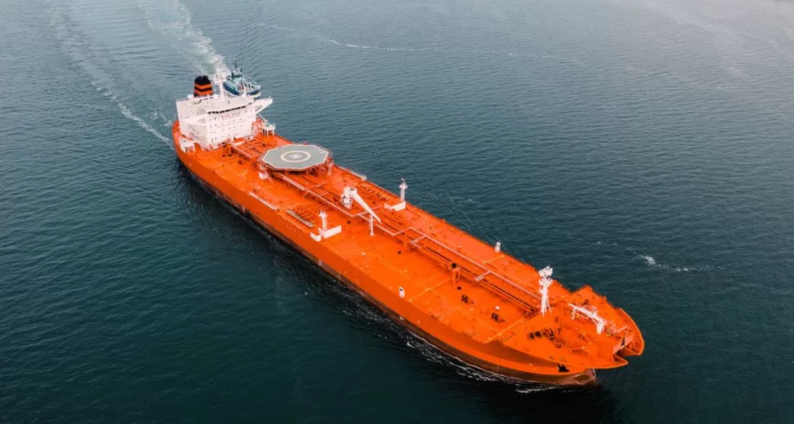
Oil prices have risen after major producers agreed to continue to cut output and the G7 and its allies said they will cap the price of Russian oil.
Brent crude rose by about 0.6% to above $86 a barrel on Monday morning.
On Friday, the G7 agreed to cap the price of Russian oil at $60 a barrel to raise pressure on Russia over the invasion of Ukraine.
Meanwhile, oil producers' group Opec+ said at the weekend it would stick to its policy of reducing output.
Opec+ is a group of 23 oil-exporting countries, including Russia, which meets regularly to decide how much crude oil to sell on the world market.
"This decision by Opec+ to keep the quota where it is... is by itself an implicit sort of support to the oil market," Kang Wu of S&P Global Commodity Insights told the BBC.
Analysts said oil prices had also been boosted by the easing of Covid restrictions in some Chinese cities, which could lead to an increase in demand for oil.
More cities in China, including Urumqi in the north west, have said they will loosen curbs after mass protests against the country's zero-Covid policy.
Price cap
In a joint statement last week, the G7 and Australia said the $60 cap on Russian oil would come into force on Monday or "very soon thereafter".
They said the measure was meant to "prevent Russia from profiting from its war of aggression against Ukraine".
The price cap means only Russian oil bought for less than $60 a barrel will be allowed to be shipped using G7 and EU tankers, insurance companies and credit institutions.
This could make it difficult for Moscow to sell its oil at a higher price, because many major shipping and insurance companies are based within the G7.
Russia has said it will not accept the price cap, and has threatened to stop exporting oil to countries adopting the measures.
Jorge Leon, senior vice-president at Norwegian energy consultancy Rystad Energy, told the BBC's Today programme that oil prices could increase as a result.
"Russia has been very clear that they will not sell crude (oil) to anybody signing up to the price cap," he said.
"So probably what's going to happen is that we will see some disruptions in the coming months and therefore probably oil prices are going to start increasing again in the coming weeks."
The G7 is an organisation of the world's seven largest so-called "advanced" economies, which dominate global trade and the international financial system. They are Canada, France, Germany, Italy, Japan, the UK and the United States.
Supply fears
Prices of oil and gas have soared on concerns that Russia's invasion of Ukraine could hit supply.
Russia is the world's second top producer of crude oil after Saudi Arabia, and supplies around a third of Europe's needs.
US Treasury Secretary Janet Yellen said the price cap would further constrain Russian President Vladimir Putin's finances and "limit the revenues he's using to fund his brutal invasion" while avoiding disrupting global supplies.
However, Ukraine President Volodymyr Zelensky called the cap "a weak position" that was not "serious" enough to damage to the Russian economy.
An EU-wide ban on Russian crude oil imported by sea will also take effect on Monday.
Although the measures will most certainly be felt by Russia, the blow will be partially softened by its move to sell its oil to other markets such as India and China, who are currently the largest single buyers of Russian crude oil.
Latest Stories
-
A source of excellence across generations – Vice President Opoku-Agyemang lauds Mfantsipim
35 minutes -
(Photos) Mfantsipim School launches historic 150th anniversary
58 minutes -
Knights and Ladies of Marshall group backs Catholic Bishops’ stance on anti-LGBTQ+
2 hours -
Bright Simons writes: All the Filla in the Ibrahim Mahama/E&P – Gold Fields Saga
2 hours -
Monetise Idiocy In Ghana
2 hours -
The Ghanaian prophet and the mysterious death of his scottish wife Charmain Speirs
3 hours -
Nearly 400 sentenced in Nigeria for links to militant Islamists
4 hours -
Ghana’s recovery supported by gold strength despite global oil price pressures – Standard Bank Research
4 hours -
Methodist Church hails Mfantsipim@150; calls for “fresh consecration” to excellence
4 hours -
‘Excellence is our inheritance’ – Nana Sam Brew-Butler hails Mfantsipim’s 150-year reign in leadership
4 hours -
Kwaku Azar writes: A-G vs OSP
4 hours -
Mfantsipim–Adisadel rivalry built excellence, not division – Sam Jonah
5 hours -
Vice President launches Mfantsipim’s 150 years of shaping Ghana’s greatest mind
5 hours -
I assure Otumfuo, Mahama will join him to commission KNUST Teaching Hospital by end of this year – Haruna Iddrisu
6 hours -
Barcelona dominate derby to extend La Liga lead
6 hours