

Audio By Carbonatix
Four out of ten women in West Africa have experienced some form of violence, while in Central Africa, the figure rises alarmingly to six out of nine.
This stark reality underscores the urgency to adopt strategies that not only provide victim care but also focus on prevention, empowerment, and societal transformation.
Experts have identified positive masculinity, regional mechanisms, normative processes, and partnerships with male allies as transformative tools in the fight against Violence Against Women and Girls (VAWG).
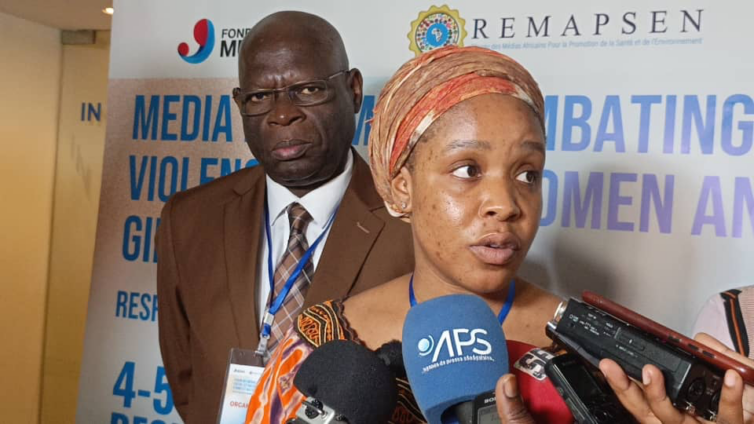
At the Media Forum on Ending Violence Against Women and Girls in Africa, held in Senegal, Angela Muruli, Regional Programme Coordinator for UN Women, West and Central Africa Office, stressed the importance of engaging men as allies to bridge the gap between customs and formal law.
“Women’s rights are as old as Africa itself,” she remarked, urging stakeholders to reframe cultural narratives and spotlight progressive traditions that align with gender equality.
UN Women’s positive masculinity approach emphasizes collaboration with male allies and cultural custodians to challenge and reshape harmful social norms.
Initiatives like the “He for She” campaign have been instrumental in encouraging men to become advocates for gender equality.
Muruli also highlighted the need to engage young men in awareness campaigns, considering the demographic dynamics.
“By promoting content that supports positive masculinity and ‘He for She,’ we can counter harmful stereotypes and inspire a generation of male advocates for gender equality,” she added.
Key components of UN Women’s strategy include working with governments and regional bodies to implement frameworks and conventions addressing VAWG.
Muruli emphasized the media’s pivotal role in this process, noting its ability to hold governments accountable, facilitate critical dialogues, and educate the public on gender issues.
Sustaining women’s movements was also highlighted as essential for long-term progress.
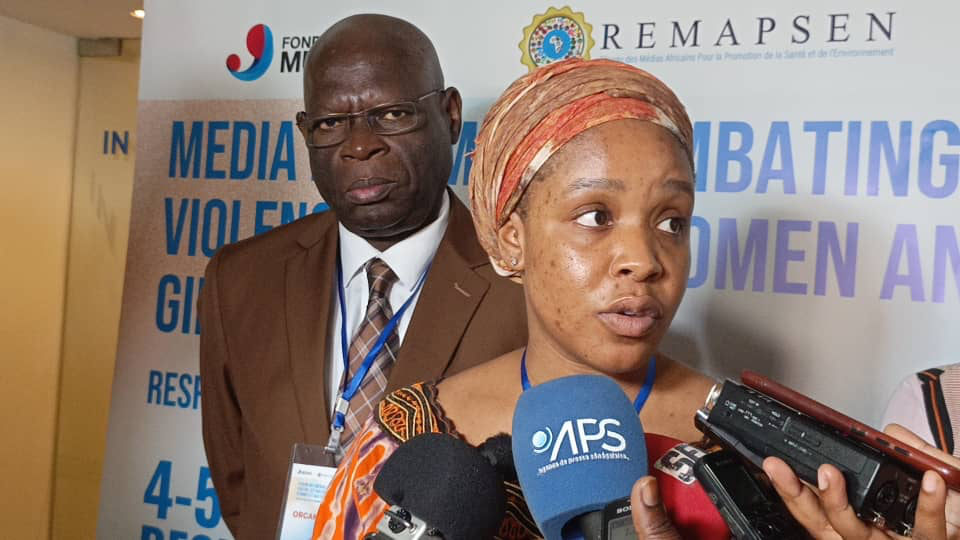
Muruli called for media coverage that amplifies these movements’ achievements, fosters partnerships with civil society, and showcases traditions that support women’s empowerment while eliminating harmful practices.
Engaging traditional and religious leaders in the fight against VAWG was identified as crucial for sustaining these efforts.
By aligning cultural practices with human rights principles, such collaborations can drive meaningful cultural and social change.
Throughout her presentation, Muruli underscored the media’s indispensable role in advancing gender equality.
Beyond reporting, she urged media practitioners to educate the public on gender issues, promote awareness of regional frameworks, and train fellow journalists to cover gender-sensitive topics effectively.
As the forum progresses, media, cultural leaders, and male allies remain central to the agenda of eradicating VAWG and promoting women’s empowerment.
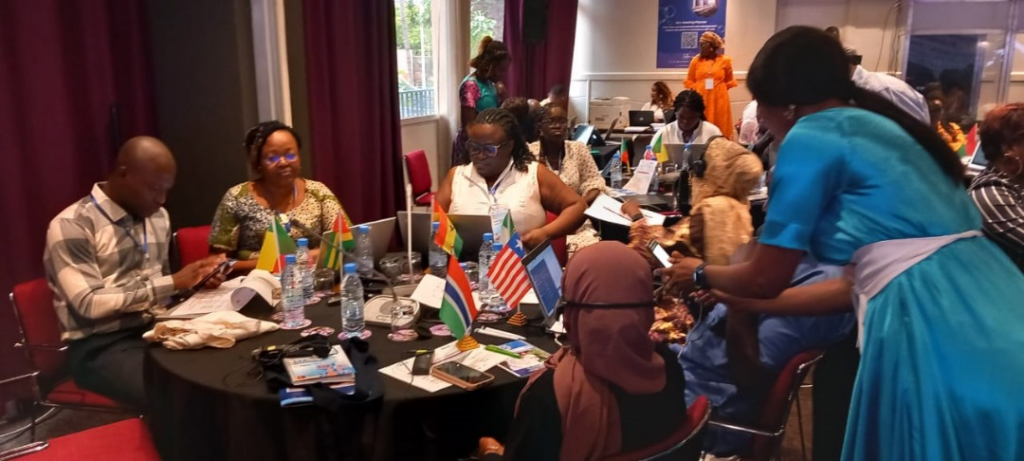
Organised by the Africa Media Network for Health & Environment Promotion (REMAPSEN), with support from UN Women and Fonds Français Muskoka, the forum seeks to address violence against women and girls and foster female empowerment across the continent.
Latest Stories
-
A source of excellence across generations – Vice President Opoku-Agyemang lauds Mfantsipim
39 minutes -
(Photos) Mfantsipim School launches historic 150th anniversary
1 hour -
Knights and Ladies of Marshall group backs Catholic Bishops’ stance on anti-LGBTQ+
2 hours -
Bright Simons writes: All the Filla in the Ibrahim Mahama/E&P – Gold Fields Saga
2 hours -
Monetise Idiocy In Ghana
2 hours -
The Ghanaian prophet and the mysterious death of his scottish wife Charmain Speirs
3 hours -
Nearly 400 sentenced in Nigeria for links to militant Islamists
4 hours -
Ghana’s recovery supported by gold strength despite global oil price pressures – Standard Bank Research
4 hours -
Methodist Church hails Mfantsipim@150; calls for “fresh consecration” to excellence
4 hours -
‘Excellence is our inheritance’ – Nana Sam Brew-Butler hails Mfantsipim’s 150-year reign in leadership
4 hours -
Kwaku Azar writes: A-G vs OSP
4 hours -
Mfantsipim–Adisadel rivalry built excellence, not division – Sam Jonah
5 hours -
Vice President launches Mfantsipim’s 150 years of shaping Ghana’s greatest mind
5 hours -
I assure Otumfuo, Mahama will join him to commission KNUST Teaching Hospital by end of this year – Haruna Iddrisu
6 hours -
Barcelona dominate derby to extend La Liga lead
6 hours