

Audio By Carbonatix
The Volta River Authority (VRA) has raised concerns over rising unregulated developments along the Volta River, warning that such activities are increasing flood risks and undermining national emergency preparedness for the Akosombo and Kpong Dams.
The Authority cautioned that the growing construction of homes, resorts, and commercial facilities along the river corridor is putting lives, investments, and critical national infrastructure at serious risk.
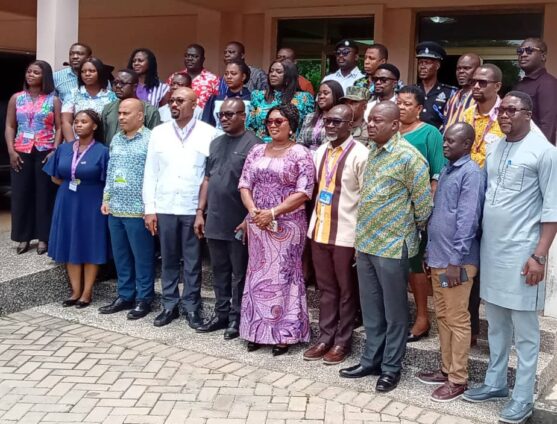
The warning was issued at a workshop on this year’s Emergency Preparedness Plan (EPP) and Environmental Management Plan (EMP) held in Koforidua.
Delivering a welcome address, the Eastern Regional Minister, Mrs Rita Akosua Adjei Awatey, stressed that emergency preparedness is crucial for a region hosting key national assets.
“The safety of our people and the protection of our environment must remain paramount,” she said, warning that disasters have serious negative effects on the economy.
Providing technical insight, Mr Abdul Noor Wahab, Director of Water Resources and Renewable Energy at the VRA, explained that international best practice requires strong emergency planning for large dams such as Akosombo.
“There are two main emergency situations: when we have to spill due to excess inflows, and the unlikely but high-impact event of a dam break,” he said.
Mr Wahab noted that settlements upstream and downstream are increasingly vulnerable due to encroachment into high-risk zones.
“People are even developing within water bodies, and this poses risks to themselves and their investments,” he said, adding that the VRA’s goal is to ensure stakeholders understand the risks involved.
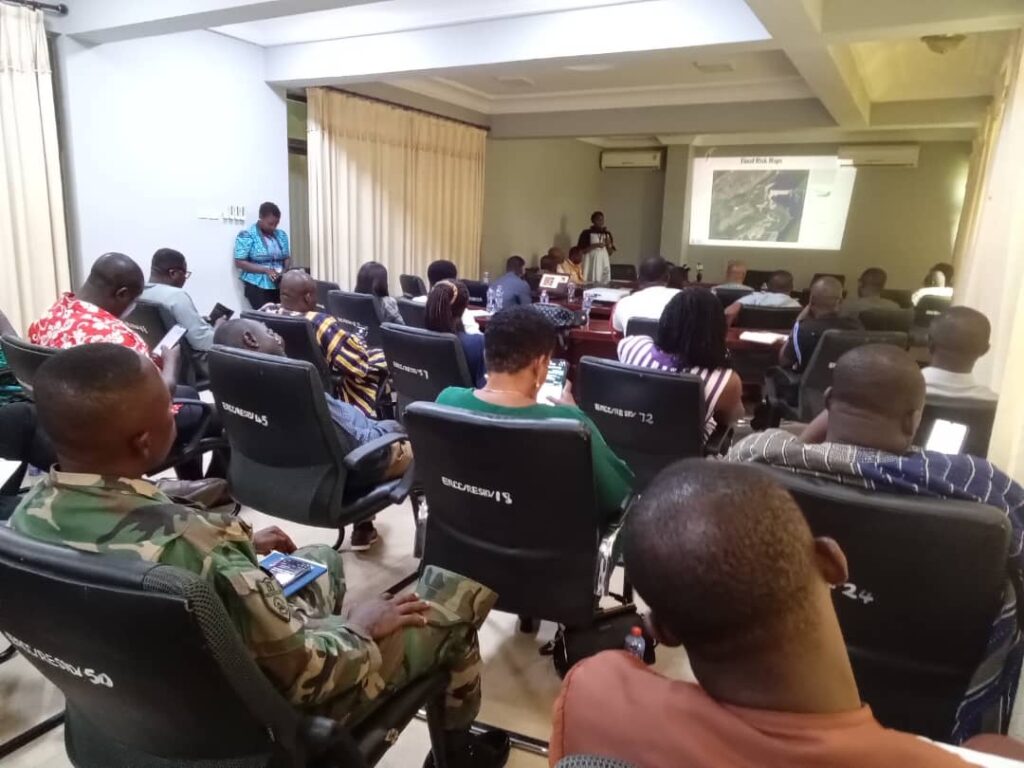
As part of this year’s engagement, the VRA introduced a simplified two-page Emergency Preparedness Plan using infographics to help district authorities, security agencies, and community leaders better understand emergency procedures.
“In two pages, you can understand all the key things we are supposed to do,” Mr Wahab explained.
He clarified that building permits are issued by District Assemblies and not the VRA, but warned that illegal developments in flood-prone areas would not attract compensation.
“We are not at the stage of compensation. We are highlighting risks so nobody will be in harm’s way,” he said.
In a presentation, Ms Akosua Owusu-Efaa, Senior Engineer at the VRA, outlined emergency phases ranging from controlled spillage to catastrophic dam failure, stressing the need for early warning systems, clear communication, and designated safe havens.
“Many people do not even know what safe havens are in their communities,” she noted.
The VRA also raised environmental concerns, citing illegal sand winning, deforestation, and farming within the 280-foot buffer zone, which are degrading water quality and worsening flood impacts.
“If you build within the high watermark, you will not be compensated,” officials cautioned.
The Authority called for stronger collaboration with district assemblies, planners, and traditional authorities to halt unsafe developments and safeguard communities downstream of the country’s most strategic dam infrastructure.
Latest Stories
-
Five-member committee to search for new Black Stars coach after Sports Ministry-GFA meeting
3 minutes -
Pinktober: Breast cancer survival exceeds 90% when detected early – Breast Society of Ghana
10 minutes -
TCDA to adopt Upper West’s MATCO mango farm as northern prototype, issues warning against felling shea trees
20 minutes -
Fear delegates tag: Afoko touts genuineness among delegates ahead of NPP delegates conference
22 minutes -
John Boadu: The leader our party needs at this time – Amb. Edward Akwasi Boateng
28 minutes -
Baffour Awuah: EOCO effected an arrest, detained MP after hours of waiting, questioning – Afenyo-Markin
46 minutes -
EOCO court warrant authorised search of Baffour Awuah’s law firm, not residence – Afenyo-Markin
1 hour -
NPP delegates conference: 3,000 to 4,000 police personnel deployed for security in Kumasi – Anthony Karbo
1 hour -
KGL Foundation commits $200,000 to support juvenile football for the next two years
1 hour -
UNDP invites Mahama Ayariga to Northern Peace Conference in Tamale
1 hour -
Afoko can give NPP ‘new identity’ ahead of 2028 to overcome NDC – Political scientist, Dr Amakye-Boateng
2 hours -
2 injured amid gunshots during raid at Nawara Mining office at Nsuapemso
2 hours -
St Augustine’s College retains 2026 National Investment Quiz title
2 hours -
KNUST Nursing and Midwifery School staff recognised at 2026 Health Ministry Excellence Awards
2 hours -
JoyNews’ Esther Esi Nkrumah selected for UK Media Excellence for Emerging Technology Fellowship
2 hours