

Audio By Carbonatix
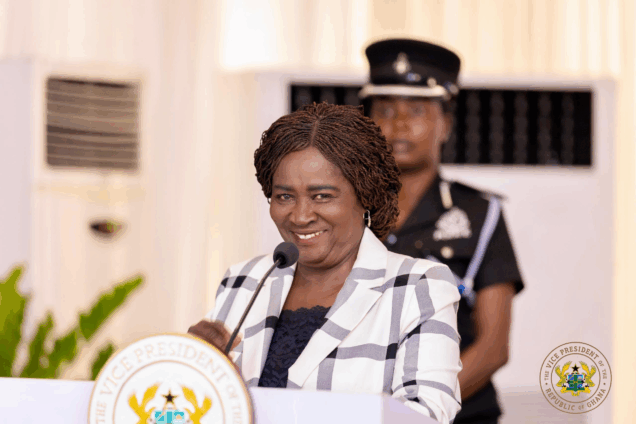
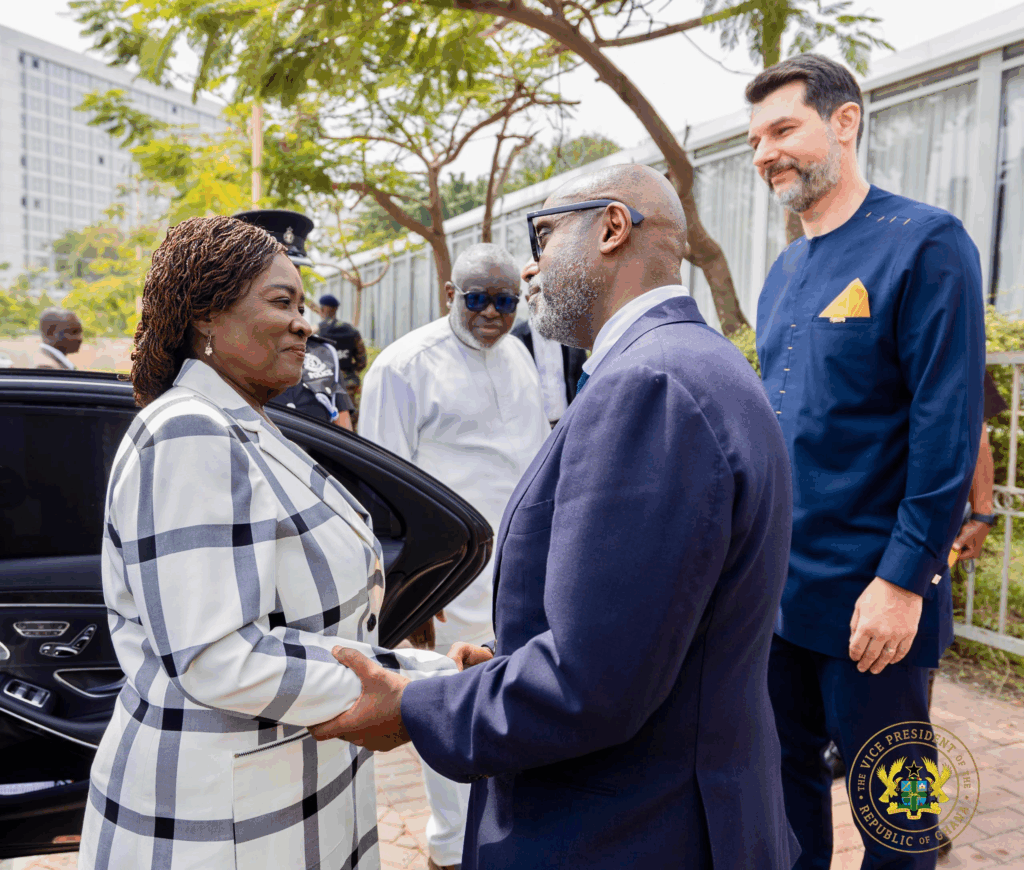
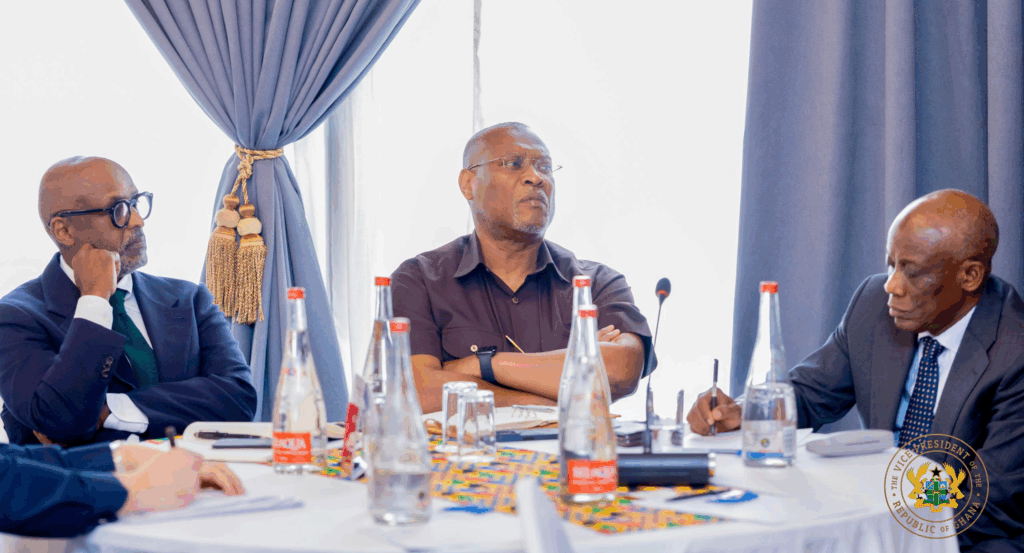
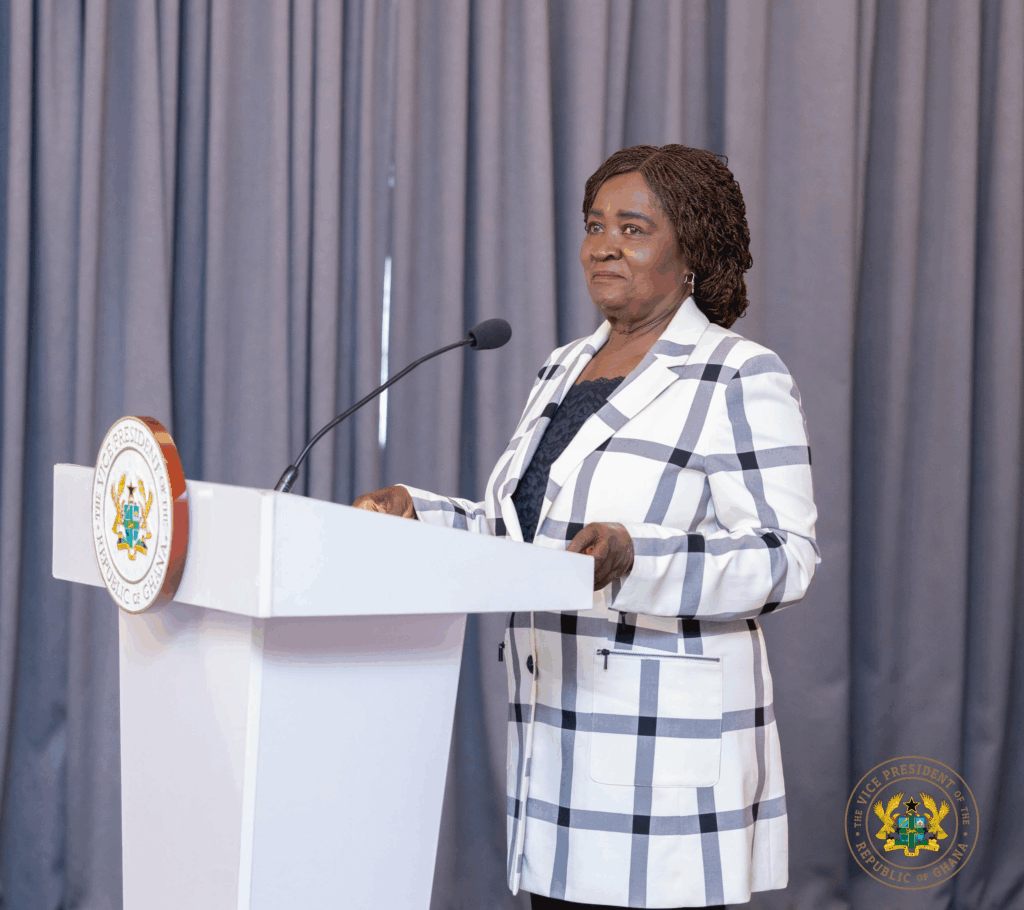
Vice President Professor Naana Jane Opoku-Agyemang has engaged Heads of International Monetary Fund (IMF) country and regional offices in Africa, using the platform to reflect on Ghana’s economic experience amid heightened global concerns over debt and development finance.
The meeting, held on January 20, provided the Vice President with the opportunity to outline Ghana’s improving macroeconomic conditions and to situate the country’s recovery within broader continental and global economic shifts.
Professor Opoku-Agyemang noted that Ghana’s economic reality today differed markedly from that of the recent past, citing key improvements including single-digit inflation, a more stable cedi, and stronger real Gross Domestic Product (GDP) growth.
She emphasised that the gains were tangible and being felt across the economy, rather than remaining abstract macroeconomic indicators.
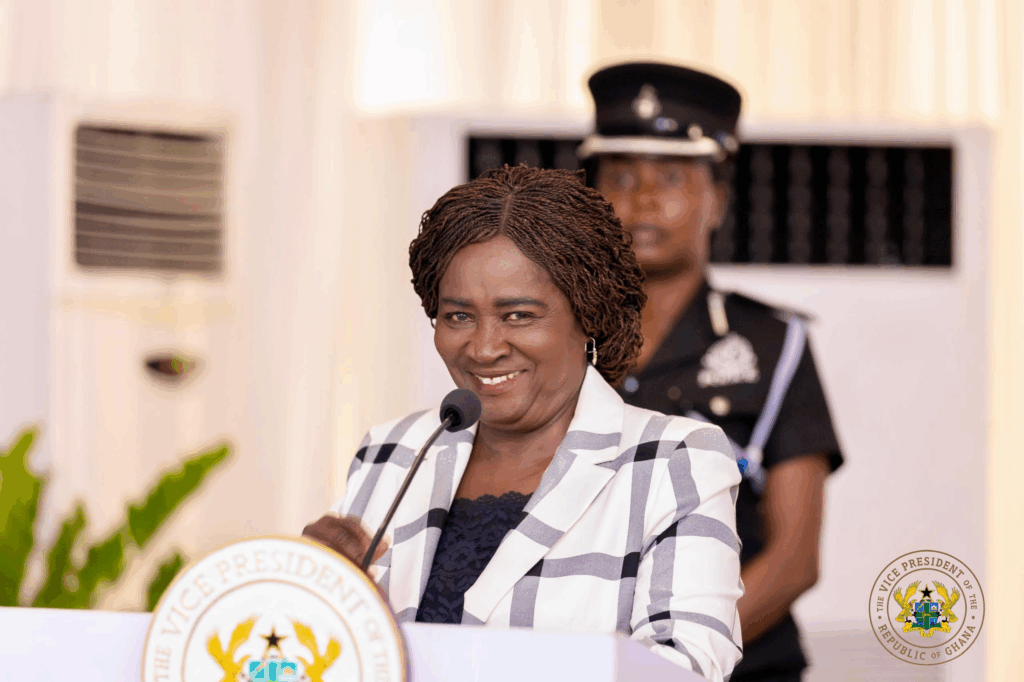
The Vice President said Ghana was entering a new phase with cautious optimism and resolve, underpinned by reforms that were nationally owned and supported rather than dictated by the IMF, and sustained by the country’s willingness to take difficult but necessary policy decisions.
She acknowledged the continued relevance of international financial institutions on the African continent, while observing that recent global and regional developments increasingly demonstrated Africa’s readiness to do more on its own.
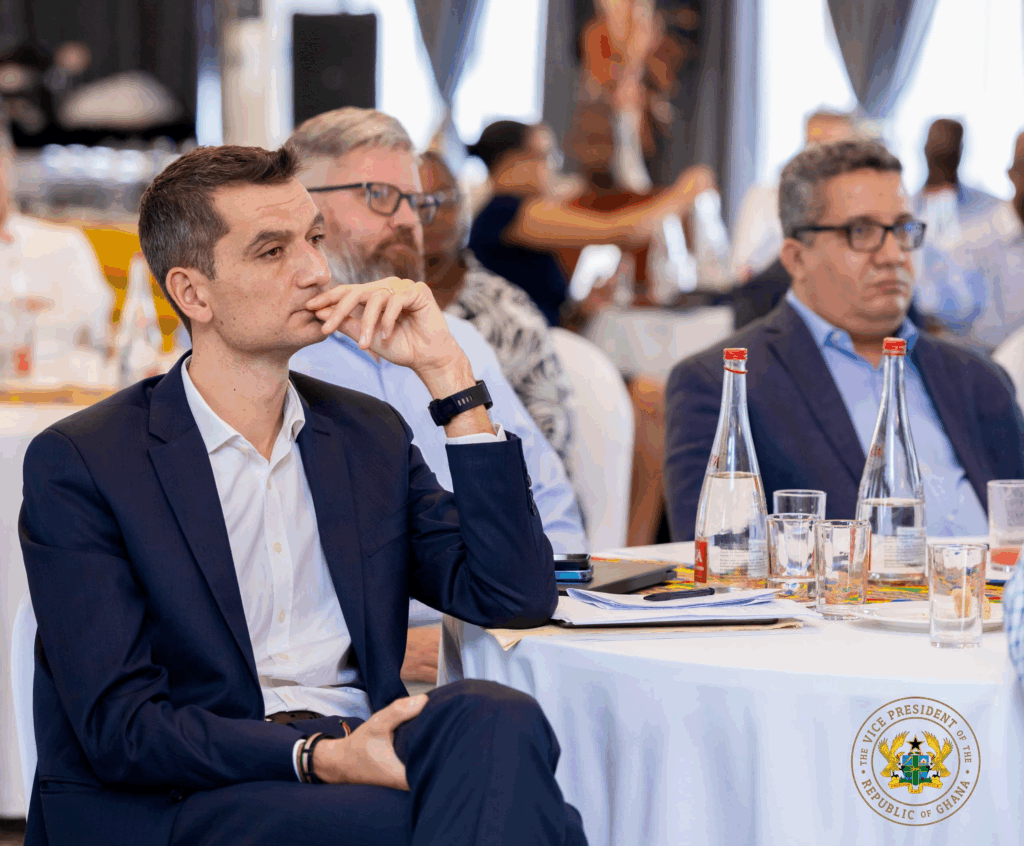
Professor Opoku-Agyemang stressed that this growing self-confidence did not diminish the value of partnerships, but rather underscored the need for mutually beneficial, responsive cooperation that aligns with Africa’s development priorities.
Reaffirming President John Dramani Mahama's position, the Vice President said Ghana’s relationship with the IMF must evolve beyond emergency support arrangements.
She noted that while Africa continued to grapple with structural challenges such as high borrowing costs, the continent also possessed significant opportunities, including the transformative potential of the African Continental Free Trade Area (AfCFTA).
She said Ghana remained committed to pursuing self-reliance, supported by coordinated, fair, and development-oriented international cooperation.
Latest Stories
-
Ghana lose Morocco friendly as Atlas Lions turn to Mali
1 hour -
2026/2027 GPL: Kelvin Nkrumah strike sends Medeama top of league table
1 hour -
Emmanuel City crowned champions of maiden Global Game Scouting Tournament
2 hours -
Thomas Partey loses father Jacob Teye Partey
2 hours -
Martin Kpebu explains when EOCO can arrest Manhyia South MP after securing court warrant
2 hours -
EOCO’s reasons for seeking Manhyia South MP arrest warrant not justified – Kpebu
2 hours -
MTN Ghana warns SMEs against sharing PINs amid digital fraud risks
2 hours -
Yendi nursing students warn restricted access to skills lab could affect their training
2 hours -
Minority awaits formal notice of arrest warrant for Manhyia South MP – Annoh-Dompreh
2 hours -
LTIF announces 2026 Pan-African edition in Accra from October 6-7
2 hours -
Mfantsipim needs broader funding partnerships to bridge infrastructure gap – Prof Baiden
2 hours -
MP status must not shield anyone from law enforcement – Kwakye Ofosu
2 hours -
EOCO had tactical team ready to arrest Baffour Awuah – Felix Kwakye Ofosu
3 hours -
Afoko can unite NPP’s factions, says Charles Owusu Juanah
3 hours -
Guardiola backing Man City after guilty verdicts
3 hours