

Audio By Carbonatix
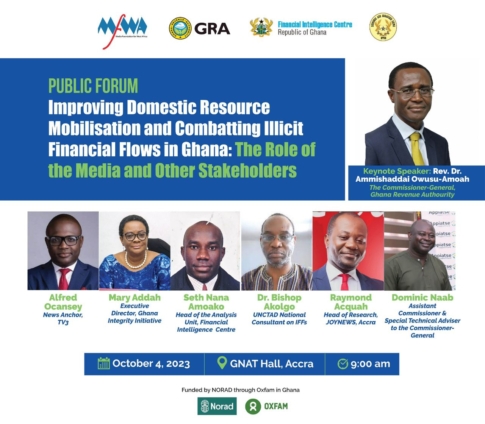
A prominent figure in the field of illicit financial flows (IFFs) and a national consultant for the United Nations Conference on Trade and Development (UNCTAD), Dr Bishop Akolgo, has sounded a clarion call for a social transformation agenda in Ghana.
In a recent statement made at a public forum on "Improving Domestic Resource Mobilisation and Combatting Illicit Financial Flows in Ghana: The Role of the Media and Other Stakeholders," he lamented the nation's current state of affairs, emphasising the need for collective action to address pressing issues.
"Everybody is now minding their own business, and the business of Ghana has been left alone," declared Dr Akolgo, highlighting the alarming trend of individualism that threatens the country's progress.
He urged citizens to take stock of the ongoing crisis and engage in a profound discussion about the future of Ghana.
One of the key issues raised by Dr Akolgo is the utilisation of tax revenue.
He stressed the importance of ensuring that taxes collected are effectively used for the betterment of the nation.
Dr Akolgo argued that the misallocation of tax funds is a significant factor behind the reluctance of people in the informal sector to pay taxes.
People in the informal sector are unwilling to pay taxes because they see little tangible benefit, Dr. Akolgo pointed out.
He called for transparency and accountability in government spending to restore public trust in the taxation system.
Furthermore, Dr. Akolgo highlighted the evolving preferences of Ghana's youth. Young people have polished taste unlike their forebears, so they have high demands, he observed.
Acknowledging the changing aspirations and expectations of the younger generation, he urged policymakers and leaders to align their strategies with the evolving needs of Ghana's youth.
Dr Bishop Akolgo's impassioned call for a social transformation agenda comes at a critical juncture when Ghana, like many nations, is grappling with various challenges.
He encourages all stakeholders, from government officials to civil society organisations and ordinary citizens, to use the current crisis as an opportunity to embark on a deeper discussion about the future direction of the country.
Latest Stories
-
Trump says he is considering firing US ambassador to Greece
6 minutes -
Man City bananas ‘brought fun back’, says Varadi
10 minutes -
Meta releases Muse Wonder AI models to challenge Anthropic and OpenAI
19 minutes -
Daily Insight for CEOs: The CEO as Chief Decision Maker
20 minutes -
Burnham had formal meeting with Man City chair while mayor
27 minutes -
Is Ghana producing too many lawyers? What is the best lawyer-to-citizen ratio?
29 minutes -
NDC sinking Ghana’s democracy with Emelia Agbenyo’s appointment – Miracles Aboagye
38 minutes -
Seedorf back in football as Corinthians head coach
51 minutes -
Hincapié and Zubimendi injured in post-match training session
1 hour -
Fridges in French supermarkets hit by cyberattack
1 hour -
Qantas flight grounded after bedbug outbreak
1 hour -
Reality Zone with Vicky Wireko: International Day of the Girl, shaping today’s girl for tomorrow’s future – ZONTA Clubs lead the way
2 hours -
Global health must be led by countries, not designed for them – Mintah Akandoh
3 hours -
Mahama honoured at 2026 World Health Summit in Berlin for global health leadership
3 hours -
Breast cancer is not a death sentence – Besease Kontire Obaapanin, Magmina Foundation lead awareness campaign
3 hours