

Audio By Carbonatix
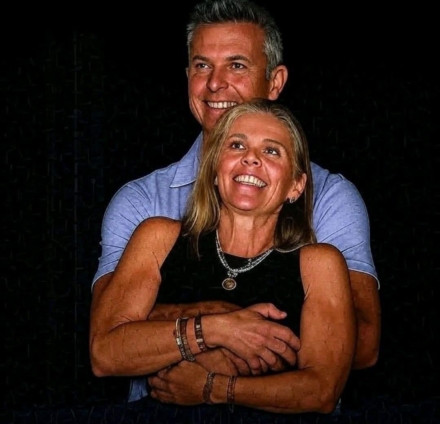
At what was supposed to be a night of music and relaxation at a Coldplay concert, a scandal unfolded that quickly turned into a leadership catastrophe. A video surfaced online showing a CEO and the Head of HR—both married to other people—engaged in a public display of intimacy. Within hours, the incident moved beyond personal embarrassment to organizational crisis. For the employees watching, it wasn’t just about a private affair; it was about a deep, public betrayal of the values their leadership claims to uphold.
This is not just tabloid fodder. This is a case study in leadership ethics, accountability, and the unseen consequences of private decisions made by public figures.
The Leadership Paradox: Power Without Restraint.
CEOs carry immense influence. They are not just responsible for driving profits—they set the tone for behavior, culture, and ethical standards within the organization. The Head of HR, by extension, is the moral custodian of company values, responsible for nurturing a culture of fairness, accountability, and trust.
So what happens when the very people expected to enforce values break them? The result is simple and devastating: Trust collapses. Not just in the individuals involved, but in the system they represent.
When leaders behave as if they are above the code of conduct, they erode the very foundation of corporate culture. This isn’t about morality in a vacuum—it’s about operational integrity. If employees begin to believe that leadership operates by a different set of rules, cynicism grows, morale drops, and talent walks out the door.
Ripple Effects of Public Leadership Failures.
The impact of such an incident is multidimensional:
- Trust is Undermined.
Employees question whether the leadership team can be trusted with their careers, development, and futures. If leaders can lie in public, can they be honest in business?
- Values Lose Meaning.
No matter how many posters you hang in the office or how often you speak about “integrity” and “respect,” those words become hollow when leadership actions contradict them.
- Culture Becomes Toxic.
Inconsistency at the top creates confusion below. It encourages silence over accountability and teaches people to look the other way. Over time, this creates an unsafe, dishonest, and unproductive work environment.
- Reputational Damage.
Clients, investors, and partners pay attention. What begins as a viral video can quickly evolve into a question of credibility, stability, and investor confidence.
A Call to CEOs: Leadership is a 24/7 Responsibility.
This case should serve as a sobering reminder to every CEO and C-suite leader: Leadership doesn’t end at 5 p.m. Your actions outside the boardroom are just as powerful—if not more so—than your decisions inside it.
Your personal behavior has professional consequences. The higher your position, the more visible your life becomes, and the more critical your alignment with your company’s values must be.
What CEOs Must Do Differently.
- Lead with Integrity—Always.
Private decisions carry public weight when you’re in a leadership role. Ethical leadership means your values show up in every setting, not just in front of a boardroom.
- Create a Culture of Accountability.
This includes accountability at the very top. If leaders are shielded from consequences, you foster a culture of entitlement. If they’re held accountable, you model consistency and fairness.
- Empower HR, Don’t Compromise It.
HR must be independent and principled—not complicit. Its role is to safeguard ethics, not bend them to protect senior leadership. CEOs must uphold HR’s authority, not undermine it.
- Communicate Transparently in Crisis.
When mistakes happen, leaders must address them with honesty, not silence. Acknowledge the issue, communicate with sincerity, and take visible action to rebuild trust.
The Real Legacy of Leadership.
Your legacy as a CEO won’t just be about financial performance or market share—it will be about the culture you created, the standards you upheld, and the trust you earned.
In today’s transparent, hyper-connected world, personal ethics and professional leadership are no longer separate. They are inseparable. Leadership without personal discipline is a liability. Leadership without ethical backbone is a ticking time bomb.
So ask yourself—not just in the boardroom but in your daily life—Am I living the values I expect others to follow?
Because the truth is: You don’t lead by what you say. You lead by what you tolerate—and by how you live.
Latest Stories
-
Man City suffer as PSG masterclass sets up Champions League win
1 hour -
Customer Service Africa CEO urges business leaders to observe staff and customer interactions
1 hour -
On night of mayhem for Liverpool, Barcola arrives in style
1 hour -
Muzic Mensah finds healing and renewed love in new single ‘WayƐ Late’
2 hours -
FIFA to offer extra £2.6bn for football development
2 hours -
Government backing is no EPA permit – Authority warns GoldBod, ministries
2 hours -
Real Madrid produce stunning late fightback to down Roma
2 hours -
EPA orders immediate halt to unpermitted reclamation and dredging nationwide
2 hours -
Afenyo-Markin’s lawsuit against Sammy Gyamfi takes focus away from development – Kpebu
2 hours -
FWSC urges media to guard against misinformation in proposed IPEC transition
2 hours -
MoMo Fest 2026: Shatta Wale to Rock Accra Stadium on October 17
2 hours -
GTEC’s letter directing public universities to reopen by October 16 is unprofessional – GAUA
3 hours -
Suspect in viral video assaulting wife jailed for 3 months
3 hours -
GAUA insists strike will end only after Fair Wages addresses market premium issue
3 hours -
Kpemka seeks compensation as he sues BOST over alleged unlawful termination
3 hours