

Audio By Carbonatix
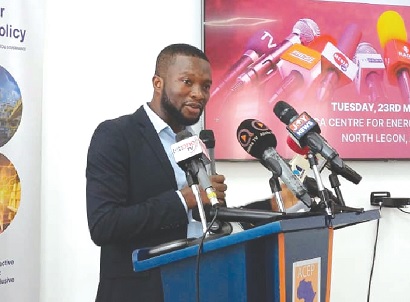
A Deputy Finance Minister, Dr Alex Ampaabeng is advocating for the taxation of online trading companies as a strategy to enhance Ghana's revenue generation.
Highlighting the substantial revenue generated by both local and international online companies from Ghanaian clients, Dr Ampaabeng emphasised the importance of integrating them into the tax framework.
Speaking in an interview with Channel One TV on Wednesday, June 12, Dr Ampaabeng identified online businesses and content creators as promising revenue streams for Ghana.
He questioned the disparity in which local companies are taxed while global social media giants like YouTube and Facebook, which earn revenue through advertisements, operate tax-free in Ghana.
Dr Ampaabeng stressed that these social media platforms derive profits from the ads they host, while online trading entities such as Jiji, Jumia, and Tonaton also generate income from their products and services.
He noted the significant market presence of these online trading platforms, surpassing many physical marketplaces across Ghana in scale and economic impact.
“I can’t think of a country which has not gotten a digital service tax system of some sort, so Ghana is long overdue. Just to make an example so that people will appreciate where I’m coming from. Go to YouTube and play a video, within one or two minutes, you are going to watch about two, or three adverts."
“What it tells you is that Facebook or YouTube is making profits right here in Ghana. Go to your Facebook account, and you are going to see a number of adverts on your right and left. What it is telling you is that Facebook is making profits right here in Ghana and not being taxed. Meanwhile, there are companies operating in Ghana, for jurisdiction reasons, of course, that are being taxed,” he said.
“So then, it comes to the question of the application of our tax laws. Revenues generated in Ghana are subject to taxes. We have Facebook, TikTok and all those players, these are digital platform owners," he added.
He expressed optimism about taxing individuals who earn online income from persons resident in Ghana.
“There are conversations ongoing, I wouldn’t want to pre-empt anything. Maybe in the future, it might not be anytime soon. What I would like to see is a Ghana where people who are earning all forms of profits in the country are subject to taxes. People who are trading online to Ghanaian residents, people who are generating revenue from Ghana are allowed to pay taxes,” he noted.
Latest Stories
-
Nana B passport claims a diversionary tactic — Abu Jinapor
7 minutes -
Pope Leo diagnosed with cancer as doctors remove lobe of lung, Vatican says
7 minutes -
Legal Aid Commission takes free legal services to Techiman main lorry terminal
12 minutes -
Nana B denies seeking passport favour, accuses Ablakwa of failing to account for GH¢16.4m
17 minutes -
Young girls demand climate action, stronger protection against child marriage
28 minutes -
Ex-gang boss sentenced to 40 years for orchestrating Tupac Shakur’s murder
29 minutes -
From near-deferral to three awards: UMaT graduate’s academic journey
31 minutes -
Atta Akyea denies seeking presidential pardon for Wontumi in galamsey case
1 hour -
Photos: Mahama commissions 85-bed Police Hospital ward, donates two ambulances
1 hour -
GTEC directs Ghana’s public universities to reopen by October 16 and begin lectures on October 19
1 hour -
Star Oil donates GH¢1million towards construction of new CID facility
1 hour -
Court hands Adjetey Sowah, two others lifetime bans after Amputee Football legal dispute
2 hours -
NDC appoints Julius Kwame Anthony as a Deputy Communications Director
2 hours -
Ghana repatriates 120 Nigerians rescued from suspected cybercrime centres
2 hours -
NPP rejects Emelia Agbenyo’s appointment as Deputy EC Chair, demands withdrawal
2 hours