

Audio By Carbonatix
Access to critical medical supplies in hard-to-reach communities can often mean the difference between life and death. However, with advancements in technology, there is a renewed sense of hope.
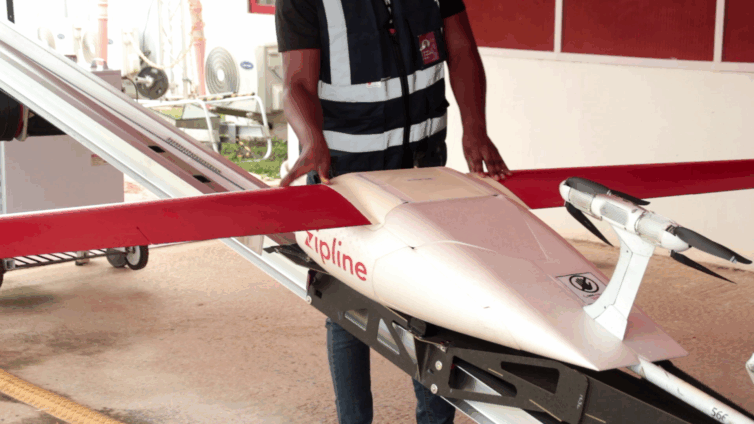
Since commencing operations in 2019, Zipline Ghana has significantly enhanced the country’s medical delivery systems, warehousing, and storage capabilities.
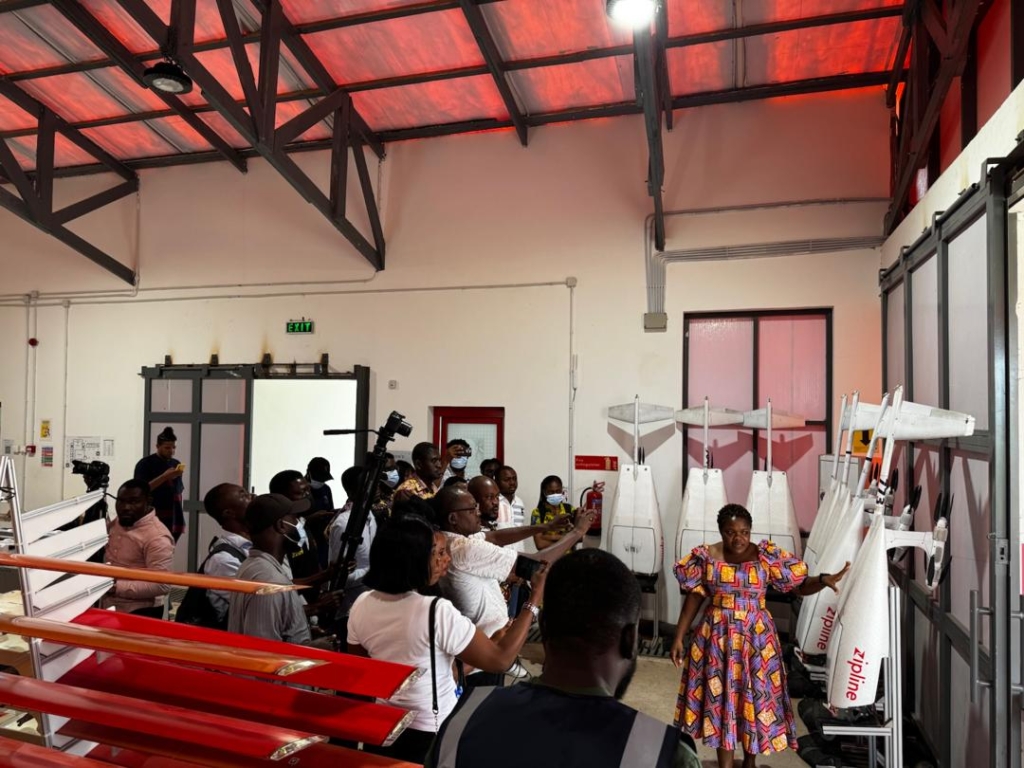
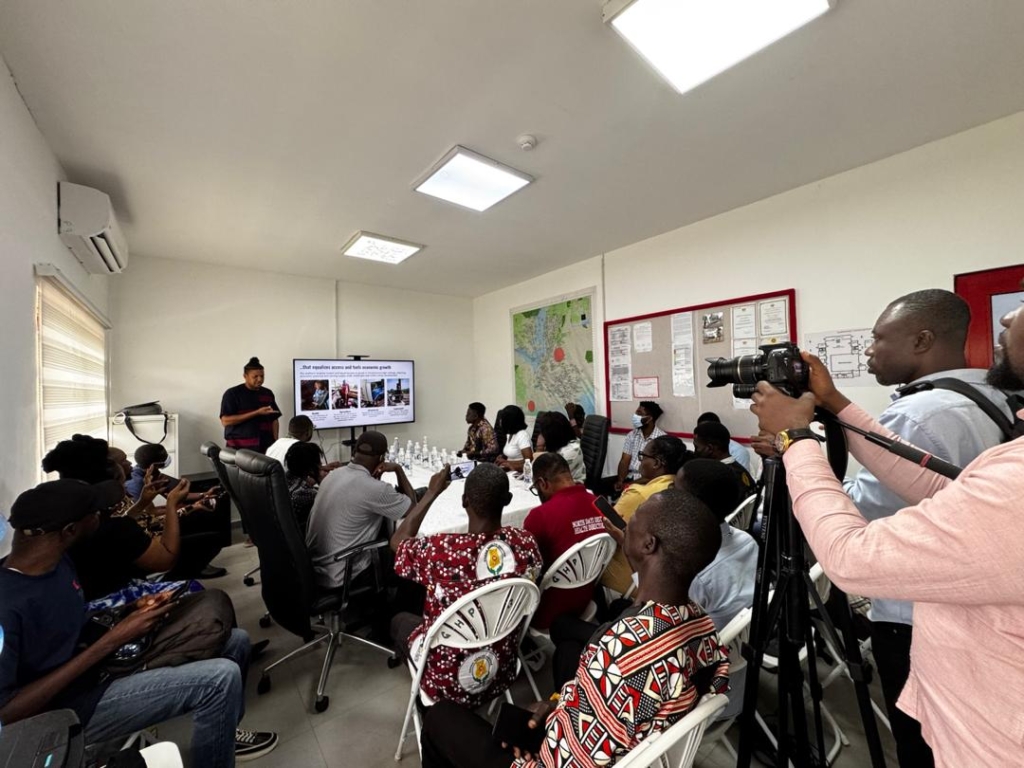
Speaking at a media engagement held at the Zipline hub in Anum, located in the Asuogyaman District of the Eastern Region, the Head of Zipline Ghana, Daniel Kwaku Merki, noted that the company is not only improving healthcare access but also building local capacity. He revealed that Zipline currently employs over 240 skilled professionals across Ghana.
“Zipline is working towards establishing a nationwide infrastructure in Ghana to support not only medical deliveries but also to expand into sectors such as agriculture and education. The company has, in the past, delivered examination papers and materials, demonstrating its potential in the educational sector,” he stated.

In addition to supporting public services, Zipline also sees strong prospects in the private sector, with plans to become a logistics infrastructure provider. This would enable Ghanaian companies and start-ups to leverage Zipline’s drone delivery and centralised warehousing systems, creating more efficient and innovative distribution models across the country.
Launched six years ago with a mission to revolutionise healthcare delivery using drone technology, Zipline has now surpassed a significant milestone—over 8.4 million medical products delivered to more than 3,000 health facilities across 14 regions in Ghana.
According to Mr Merki, Zipline’s autonomous delivery system—carrying malaria and HIV medicines, blood, vaccines, and maternal health supplies—is credited with contributing to a reduction in maternal mortality by over 56% in some regions. It has also helped to increase antenatal care and childhood vaccination rates, while drastically reducing vaccine stockouts.
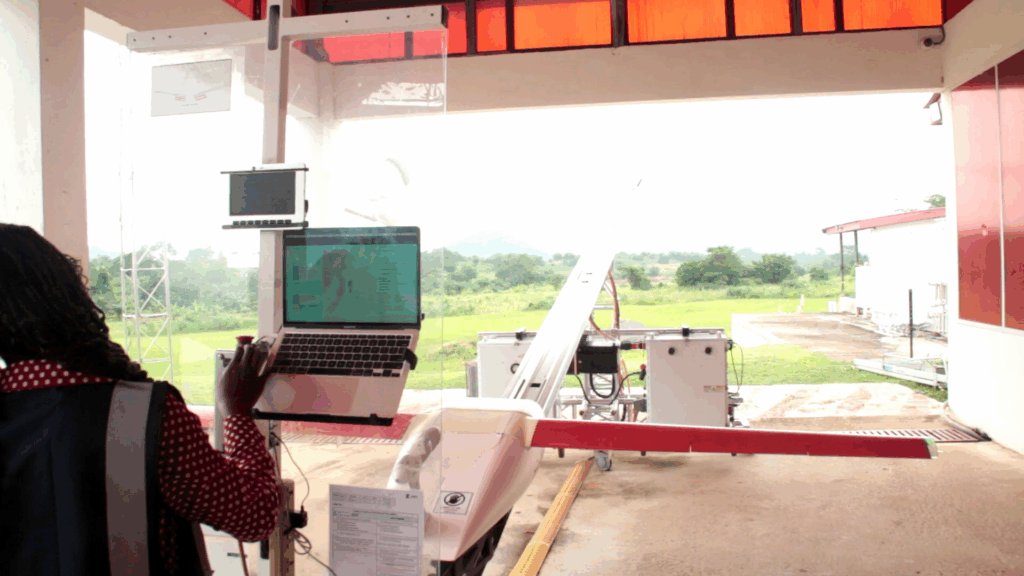
Operating from six hubs, Zipline’s drones fly day and night, overcoming difficult terrain, adverse weather conditions, and poor infrastructure to deliver life-saving supplies. The service played a critical role during the COVID-19 pandemic, ensuring timely vaccine deliveries, especially in remote and underserved communities.
Mr Merki disclosed that Zipline’s operations have helped save nearly 9,700 lives, including over 1,600 snakebite victims. The company has also organised more than 300 blood drives, collecting 20,000 units for the National Blood Service.
Recognised as the most cost-effective immunisation intervention—at just $0.66 per additional fully immunised child—Zipline has not only created over 240 high-skilled jobs but has also partnered with Kwame Nkrumah University of Science and Technology (KNUST) to support public health research through a $10,000 student grant.
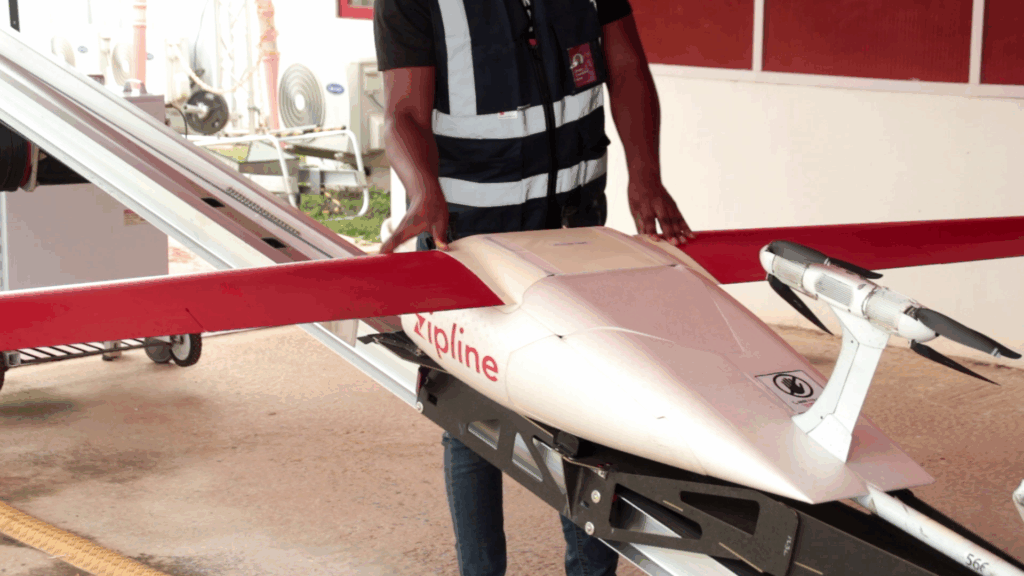
As the world’s largest autonomous logistics system, Zipline is driving equitable access to essential services in Ghana, with millions of successful, low-emission drone deliveries. With over 100 million autonomous kilometres flown and more than 22 million vaccine doses delivered, Zipline is transforming the logistics of public services while aligning with Ghana’s development aspirations.
During a tour of the facility, Zipline Ghana’s Partnerships Manager, Shemau Muniru, emphasised the stringent safety protocols in storage and drone operations designed to prevent contamination and ensure seamless delivery.
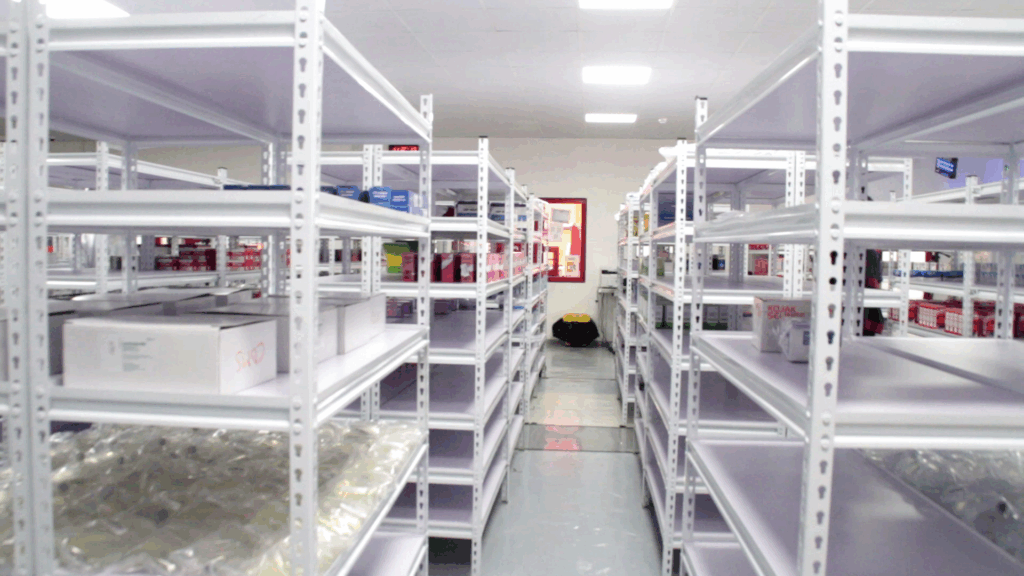
“These protocols allow us to detect contamination, identify defects, and address issues with medical supplies received from regional medical stores,” she explained.
“We are also undertaking improvements, including enhancing the capacity of delivery boxes. We will continue to uphold airspace safety in close collaboration with the Ghana Civil Aviation Authority,” she added.
Meanwhile, at the Tsorxor CHPS Compound in the South Tongu district of the Volta Region—one of Zipline’s beneficiary facilities—the nurse in charge, Sandra Dede Ayayi, affirmed that the company’s timely deliveries have significantly enhanced healthcare delivery.
Despite poor road conditions, she cited limited network connectivity as the most pressing challenge. “You can only access mobile network coverage in front of the facility,” she lamented.
A recently installed communication tower has yet to serve its intended purpose, though the District Chief Executive has expressed interest in resolving the issue.
Latest Stories
-
Afenyo-Markin’s lawsuit against Sammy Gyamfi takes focus away from development – Kpebu
4 minutes -
FWSC urges media to guard against misinformation in proposed IPEC transition
4 minutes -
Zimbabwean author denies using AI to write award-winning story
26 minutes -
GTEC’s letter directing public universities to reopen by October 16 is unprofessional – GAUA
27 minutes -
Suspect in viral video assaulting wife jailed for 3 months
27 minutes -
GAUA insists strike will end only after Fair Wages addresses market premium issue
27 minutes -
Kpemka seeks compensation as he sues BOST over alleged unlawful termination
31 minutes -
GES asks applicants to check status of 2026 promotion applications on October 15
55 minutes -
Kobe Boujee joins Olympics.com team for Dakar 2026 Youth Olympic Games
1 hour -
Slaty egret’s shifting nesting sites offer clues to changing ecosystems
1 hour -
First phase of arrears for promoted teachers to be paid on Friday – Haruna Iddrisu announces
1 hour -
Caveman Watches partners with Mfantsipim School for 150th anniversary
2 hours -
We’ll pursue GH¢15m defamation suit against Sammy Gyamfi to its logical conclusion – Afenyo-Markin’s lawyers
2 hours -
Martin Kpebu urges Afenyo-Markin not to return to court over Sammy Gyamfi lawsuit
2 hours -
GRA submits preliminary report on drug shipment case to Mahama – Commissioner-General
2 hours