

Audio By Carbonatix
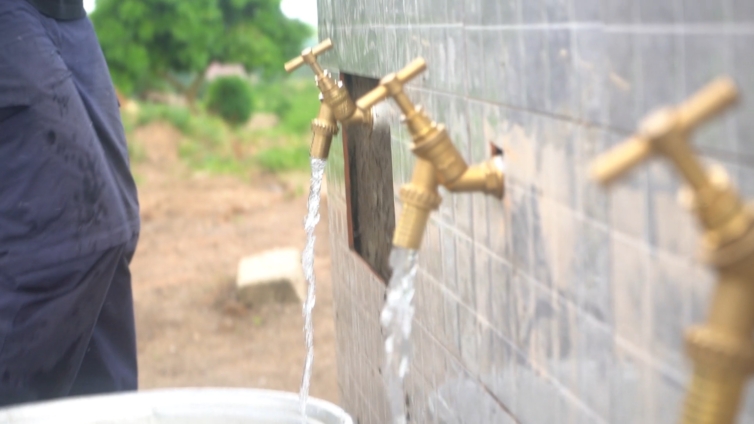
The Embassy of Denmark and UNICEF have launched a major joint initiative worth 100 million Danish Krone (DKK 100,000,000), approximately USD$14 million, to support the Government of Ghana in expanding access to safe drinking water in vulnerable, low-income urban areas.
The four-year project is expected to provide safe drinking water to about 100,000 people, including an estimated 40,000 children, in some of the country’s most underserved communities.
Implemented in collaboration with Ghana Water Limited (GWL), the initiative seeks to introduce a sustainable, scalable model for delivering water services to low-income households, including the development of a long-term financing mechanism for such communities.
Despite progress toward Sustainable Development Goal 6 (clean water and sanitation), Ghana still faces significant gaps, with 57 per cent of the population lacking access to safely managed drinking water.
Denmark’s Ambassador to Ghana, Jakob Linulf, emphasised the urgency of integrating climate action with water accessibility.
“We will not achieve the Sustainable Development Goals without addressing the climate crisis. Denmark is proud to be a green partner on Ghana’s journey towards achieving SDG 6 on universal and equitable access to safe and affordable drinking water,” he said.
UNICEF Representative in Ghana, Osama Makkawi Khogali, highlighted the project’s focus on equity and affordability.
“UNICEF is pleased to collaborate on this initiative because it addresses the issue of affordable water connections for vulnerable households. This transformative initiative will improve the lives of families, particularly children,” he said.
The project, titled “Water Access and Water Efficiency for Low-Income Areas in Ghana”, will target urban low-income communities, including Wa in the Upper West Region and Bolgatanga in the Upper East Region.
It will be guided by the Water Safety Plan approach, designed to prevent water contamination from source to household by improving treatment systems, distribution pipelines, and monitoring mechanisms.
Aligned with Ghana’s development agenda and global commitments under the SDGs, the initiative will expand water piping networks to previously unserved areas, promote community participation, and adopt equity-centered strategies to ensure inclusiveness and sustainability.
The Denmark–UNICEF partnership marks a significant step toward bridging urban water access gaps and ensuring that vulnerable households, especially children, benefit from safe, reliable, and affordable drinking water.
Latest Stories
-
Hawa Koomson pledges experienced and mature leadership of NPP women’s wing
38 minutes -
Young woman found dead at Kasoa Peace Town
1 hour -
Playback: The Law examined lawful arrest in Ghana
2 hours -
Mahama urges African governments to treat healthcare as an investment, not budget cost
2 hours -
Bawumia congratulates John Boadu and new NPP executives, pledges support ahead of 2028
2 hours -
‘No talent should be left out’ – Bawumia pledges inclusive NPP campaign for 2028
2 hours -
Prof. Mike Oquaye recounts how he blocked the Special Prosecutor’s attempt to arrest Bawku Central MP
3 hours -
Make health sovereignty a priority for Africa – Mahama
3 hours -
Dorimon Naa, Wa West DCE lead massive clean-up exercise; threaten sanctions against recalcitrant residents
3 hours -
Photos from Adom FM Y2K Jam
3 hours -
Praye Tiatia steals the show at Adom FM Y2K Jam [Watch]
3 hours -
Boakye Agyarko congratulates John Boadu, pledges support for NPP leadership
3 hours -
Antwi HiMight thrills fans with Antwi ne Antwi hits at Adom FM’s Y2K Jam [Video]
4 hours -
Amb. Edward Boateng congratulates Boadu, Kodua on election wins
4 hours -
John Boadu pledges to rebuild NPP from grassroots and restore ‘winning machinery’
4 hours