

Audio By Carbonatix
Africa should “prepare for the worst” as the coronavirus begins to spread locally, the World Health Organization's director-general said Wednesday, while South Africa became the continent's new focus of concern as cases nearly doubled to 116 from two days before.
South Africa's health minister, Zweli Mkhize, this week called that kind of rate “explosive" in the country with the most cases in sub-Saharan Africa. Fourteen of the latest cases were from local transmission — and six were in children under 10.
Though the pandemic is in its early days on the continent, health experts have warned that even facilities in Africa's richest nation could be overwhelmed by the virus' spread.
“I think Africa should wake up. My continent should wake up,” said WHO chief Tedros Adhanom Ghebreyesus, who comes from Ethiopia.
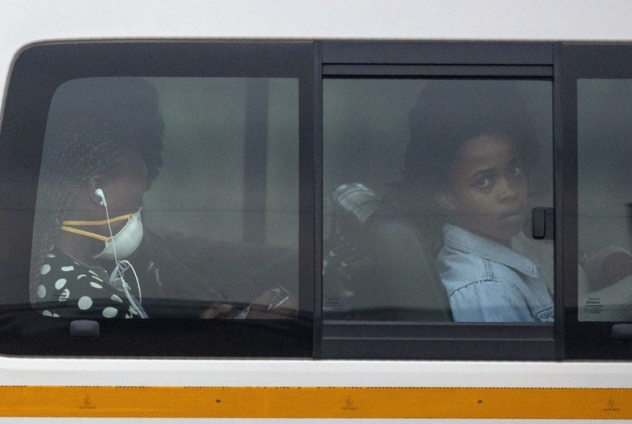
Crowded conditions in poor areas could lead to even faster transmission, experts say. Countless South Africans continue to pack into commuter trains and minivan taxis. But the annual pilgrimage of the Zion Christian Church, which attracts about 3 million people, was cancelled.
“We have low-income workers who cannot afford to self-isolate or take time off work,” said public health expert Dr. Atiya Mosam, who also worried about the large population without clean water or sanitation or vulnerable from HIV or tuberculosis.
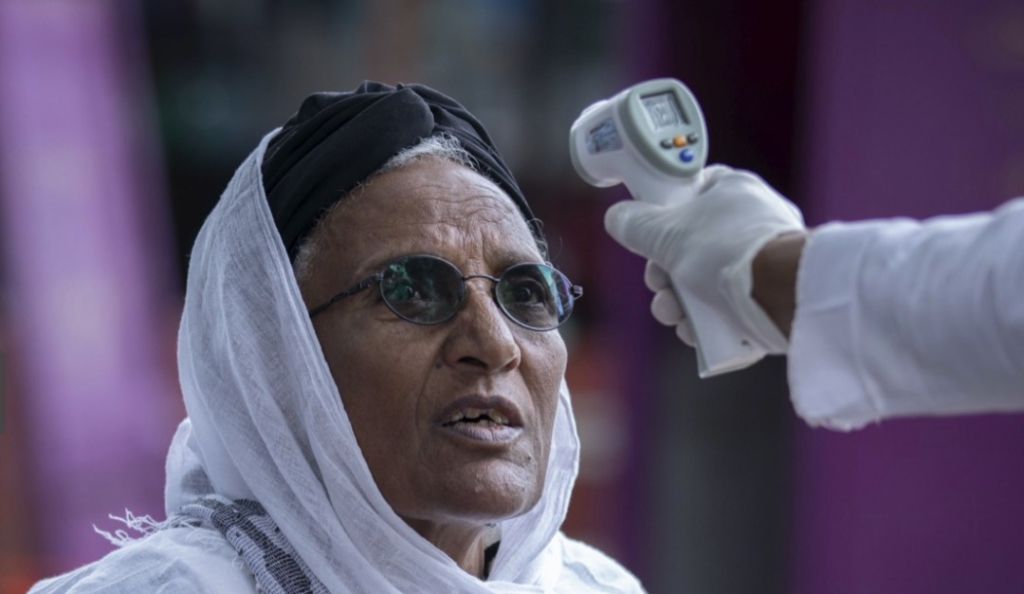
Others asked how a person can self-quarantine in a crowded slum. The continent has several of the world's fastest-growing cities.
Despite widespread calls for “social distancing,” a cashier at a popular pharmacy in Johannesburg confided that some customers found it rude when she suggested they swipe their payment cards themselves to limit contact. Elsewhere in the store a shopper determinedly filled a cardboard box with “anti-germ” soap, and hand sanitizer was out of stock despite calls to stop panic buying.
Also Wednesday, sub-Saharan Africa saw its second death from COVID-19, in Burkina Faso, which has one of the continent’s highest number of cases but has not imposed measures such as closing borders or banning religious services. Sudan previously reported a death.
In Kenya, police said a man accused of having the coronavirus was beaten to death. A police report obtained by The Associated Press said the man was returning home from a night out Wednesday when a group of youth approached and “took advantage of his drunkenness."
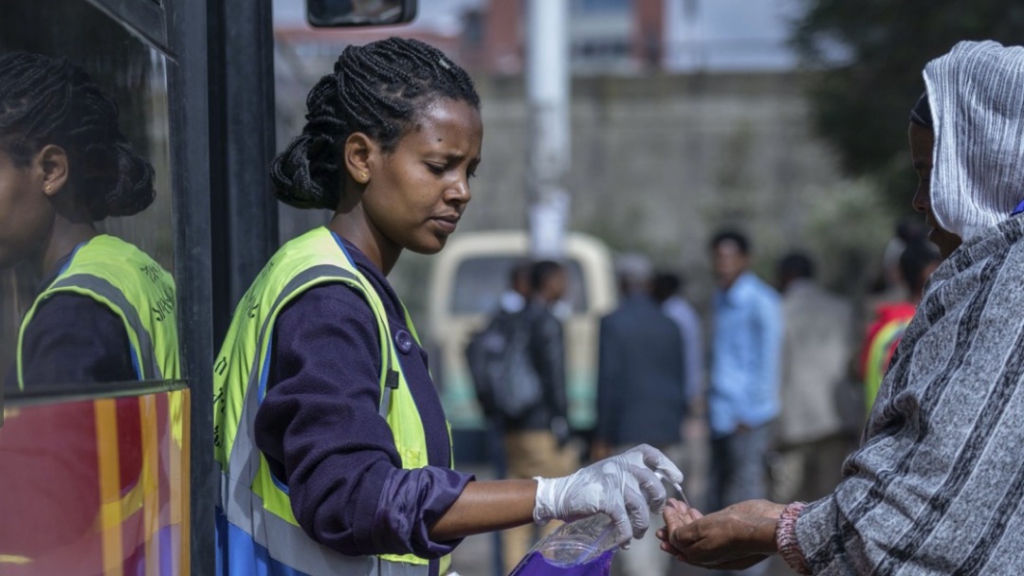
In Ethiopia, the U.S. Embassy noted a rise in anti-foreigner sentiment after cases emerged there. “Reports indicate that foreigners have been attacked with stones, denied transportation services, being spat on, chased on foot, and been accused of being infected with COVID-19,” a security alert said.
Africa's most populous country, Nigeria, announced restrictions on the entry of travelers from countries with more than 1,000 coronavirus cases, including China and the U.S., and suspended visas on arrival for their citizens.
Nigeria has had eight cases of the virus, all in people recently arrived from abroad — one of the latest a 6-week-old baby. The country said one of the new patients, an American, had entered via a land border, a first.
Three other African nations announced their first virus cases: Gambia, Zambia and Djibouti. Thirty-three of Africa’s 54 countries now have cases, with a total of at least 529 midday Wednesday.
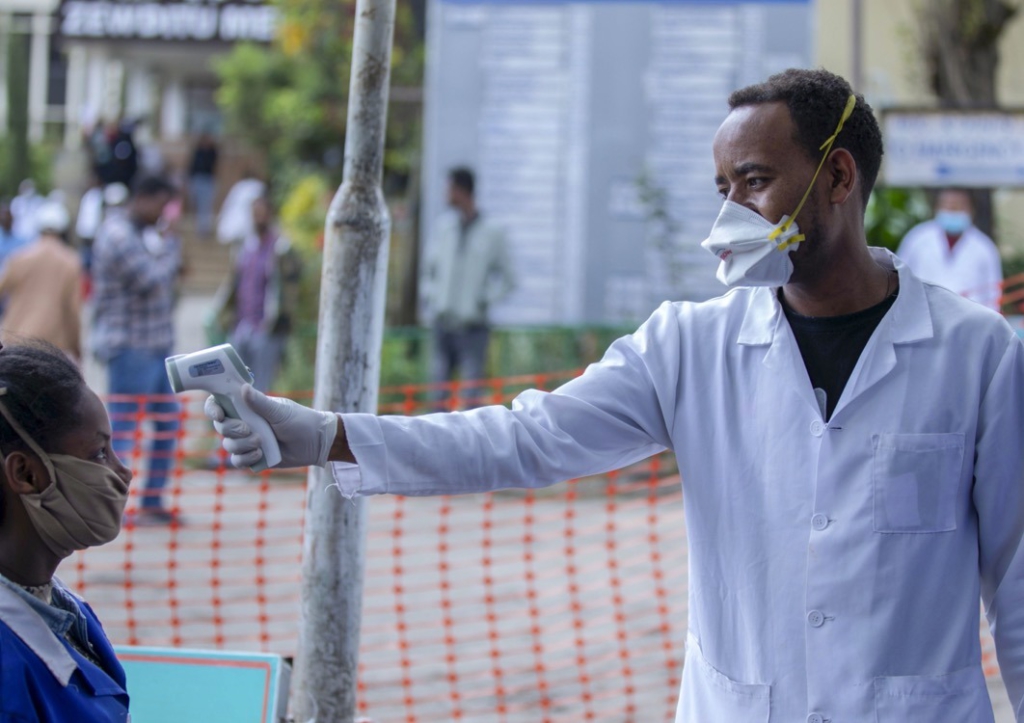
Somalia, which announced its first case this week, closed schools and universities for two weeks and warned against public gatherings as the country with one of Africa’s weakest health systems tries to stop the virus’ spread.
“This is really a very scary moment,” said Hassan Kafi, a medical student in the capital, Mogadishu. The country has suffered from nearly three decades of conflict.
Uganda, which has no cases, banned travel to the worst-affected countries. It also suspended religious gatherings and restricted the number of people at weddings to 10 in a country known for mass ceremonies.
Health experts from some 20 African nations participated in a video conference with doctors in China on how to contain the virus.
“This is an extremely important step in terms of knowledge share,” said Kenya’s cabinet health secretary, Mutahi Kagwe.
Mogomotsi Magome in Johannesburg, Tom Odula in Nairobi, Kenya; Elias Meseret in Addis Ababa, Ethiopia; Mohamed Sheikh Nor in Mogadishu, Somalia; Josphat Kasire in Nairobi, Kenya, Rodney Muhumuza in Kampala, Uganda and Sam Mednick in Ouagadougou, Burkina Faso, contributed.
Latest Stories
-
IMF describes Ghana’s ECF programme as broadly satisfactorily
2 minutes -
Christians urged to embrace spiritual authority, become agents of transformation in society
8 minutes -
Fuel price hikes driven by international trends, not OMC margins — COMAC
13 minutes -
NPP can’t be equated to the NDC in any way – Eric Adjei
19 minutes -
IMF Board completes 6th and final review of ECF programme, describes PCI as anchor to reform agenda
23 minutes -
Cracker Barrel chief executive steps down a year after rebrand chaos
25 minutes -
Trump defends tariffs in hard-hit Michigan as Canada tax hike looms
33 minutes -
Reasonable Ghanaians approve of Ato Forson’s management of economy – NEIP CEO
1 hour -
Calls for justice over Ghanaians’ deaths in South Africa consistent with international diplomacy – Antwi-Danso
1 hour -
Farmerline, others support farmers in Weta and Avalavi following flood devastations
2 hours -
Yara Ghana introduces two crop-Specific fertiliser solutions to improve farmers’ yields
2 hours -
Asiedu Nketia’s lead fuelled by NPP support; Ato Forson holds edge among floating voters — Mussa Dankwah
2 hours -
Chief of Staff urges lifelong learning after earning doctorate
2 hours -
First-time contenders Enyan Denkyira SHTS snatches final Central region ticket to qualify for nationals
2 hours -
Cape Verde’s Lopes Cabral’s goal wins Goal of the Tournament at 2026 World Cup
2 hours