

Audio By Carbonatix
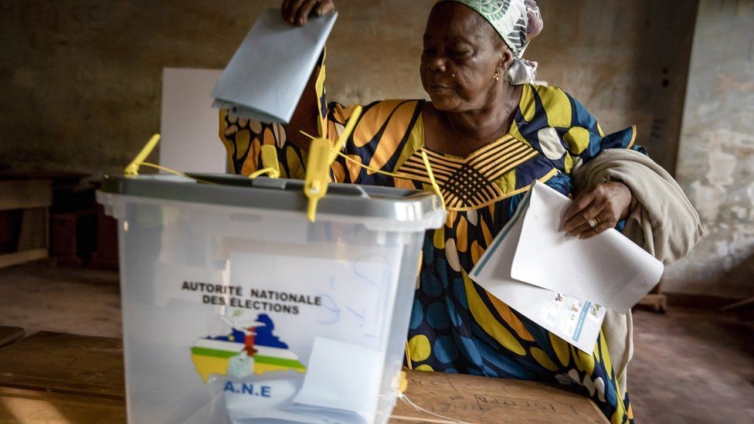
Elections in the Central African Republic (CAR) are underway, after a campaign marred by violence between government and rebel forces.
On Saturday, the Constitutional Court rejected a bid by opposition candidates to postpone the vote because of the insecurity.
In the run-up, three UN peacekeepers were killed by unidentified assailants during two separate attacks.
This is the first election since a peace deal was struck in February 2019.
President Faustin-Archange Touadera is seeking a second term in office and has accused his predecessor, François Bozizé, of fomenting a coup with rebel groups.
Mr Bozize, who is barred from running in the election and is under UN sanctions, has denied the allegation.
Meanwhile, the government has denied allegations of election rigging by the Coalition of Patriots for Change (CPC) - a recently created alliance of the country's most powerful rebel groups.
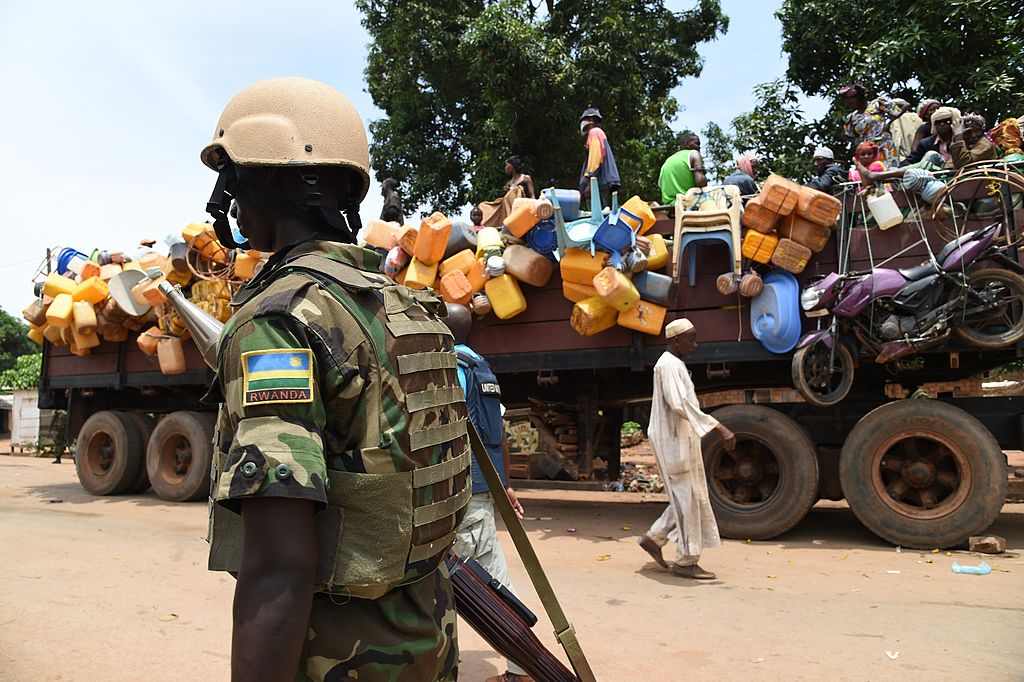
Ballots are being cast in presidential and legislative races, with UN peacekeepers patrolling the streets in the capital, Bangui, and armoured vehicles posted outside some polling stations.
The rebel coalition said on Friday that it had called off a three-day ceasefire over the election period due to attacks by government forces.
However, the government dismissed the ceasefire, calling it "a non-event" that had not been honoured by rebels.
The rebel groups have seized several towns close to Bangui, clashing with government forces and looting property.
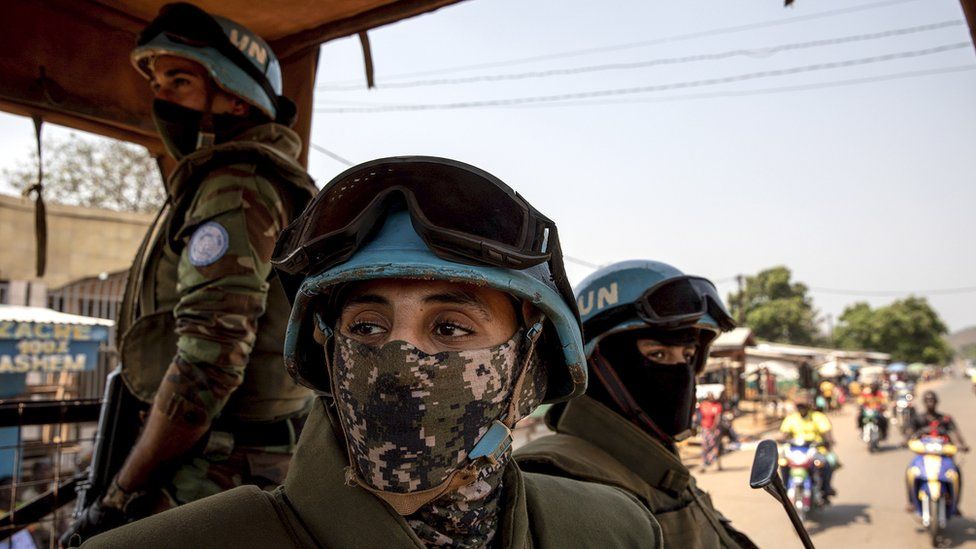
The UN said on Friday that the killing of two of its peacekeepers, hailing from Burundi, may constitute a war crime. It said two other peacekeepers were injured in the attacks, which took place in southern Bakouma and in Dekoa, in the centre of the country.
The CAR is one of Africa's poorest and most unstable countries, even though it is rich in resources like diamonds and uranium. The UN estimates that half of the population are dependent on humanitarian assistance and up to a fifth have been displaced.
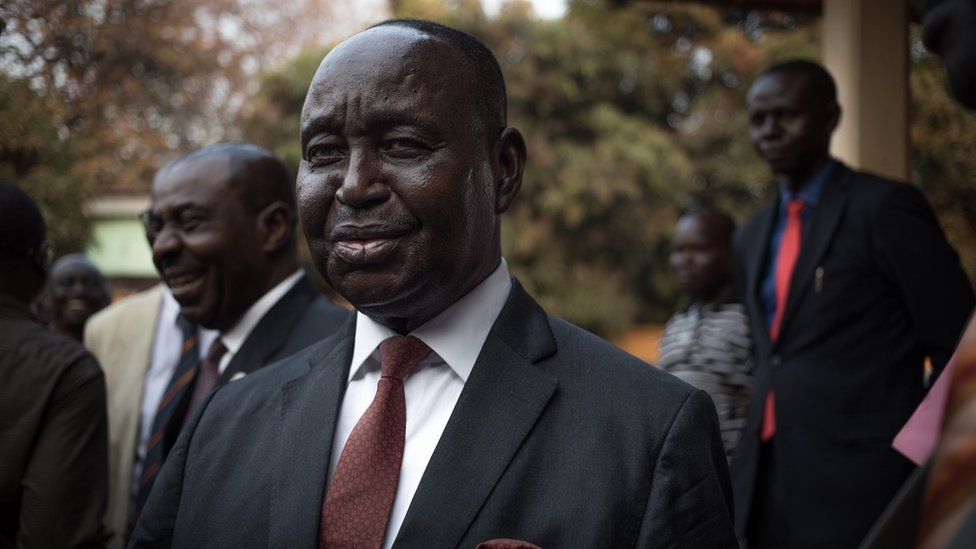
On 3 December the Constitutional Court ruled that Mr Bozizé did not satisfy the "good morality" requirement for candidates because of an international warrant and UN sanctions against him for alleged assassinations, torture and other crimes during his rule.
Mr Bozizé, a Christian, came to power after a coup in 2003 and subsequently won two elections that were widely seen as fraudulent. He was ousted in 2013 by the Séléka - a rebel coalition drawn largely from the Muslim minority - which accused him of breaking peace agreements
Russia is allied with President Touadéra and this week said it had sent 300 military instructors to CAR, following a request for help from the government. Russia insists it is not involved in the fighting.
Latest Stories
-
OMCs commence fuel price reviews; Star Oil sells petrol at GH¢14.97, diesel kept at GH¢16.97
9 minutes -
Residents of Brekusu-Kwabenya-Kitase protest over deplorable roads
17 minutes -
Genser Energy secures 456m euros to accelerate next phase of growth across West Africa
22 minutes -
COKA visits Kokofu after Ashanti NPP win, calls for unity ahead of 2028
25 minutes -
Bono East crowns Kintampo SHS, Gyarko Community Day SHS for national public speaking finals
44 minutes -
GRIDCo completes initial repair works on Ashaiman transmission line
54 minutes -
Egyapa Mercer donates hairdryers to graduating hairdressers in Sekondi
1 hour -
Health Ministry hands over 30 ambulances to National Security for refurbishment
1 hour -
Republic Bank deepens commitment to homeownership with nationwide JoyNews Habitat Fair partnership
1 hour -
Archbishop Duncan-Williams links galamsey to Ghana’s wider culture of indiscipline
1 hour -
India’s clean energy leadership in green hydrogen
1 hour -
Ghana’s Road Safety Crisis: We must move from reaction to prevention
1 hour -
Duncan-Williams urges Church to educate Ghanaians on dangers of galamsey and gold smuggling
2 hours -
New Defence Minister pledges technology-led defence posture
2 hours -
India and Africa: Relations beyond rhetorics
2 hours