

Audio By Carbonatix
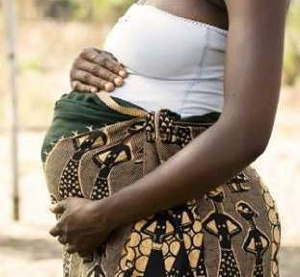
The District Health Information Management System (DHIMS) of Ghana Health has revealed that about 6,533 teenage pregnancy have been recorded in the Upper East Region.
According to statistics, teenage pregnancy cases among girls aged 10 to 14 in the region has increased from 103 in 2019 to 142 in 2020, representing a 38 per cent increase.
A press statement by the Sexual and Reproductive Health and Rights (SRHR) Network in the Upper East Region noted that poverty, difficulties in accessing Adolescent Reproductive Health information and Youth Friendly Health services and effects of the Covid-19 pandemic have fueled high rates of unintended teenage pregnancies and child marriages in the Region.
According to the organisation, the majority of the reported teenage pregnancy incidences occurred in poor and rural districts of the region, particularly in the Bawku-West, Bongo and Talensi Districts, which recorded the highest incidents in 2020.
It further indicated that the risks of maternal deaths are higher for young adolescents, with girls aged between 15 years or younger facing higher risks than older adolescents.
"The need for all hands on deck to tackle the underlying causes of high teenage pregnancies and motherhood, including stigma, poverty, social norms around expected behaviours and peer pressure to engage in sexual relations at an early age resulting in unintended pregnancies."
With the alarming increase in teenage pregnancy, SRHR called on government and other stakeholders to initiate expedient measures to curb the increasing number of teenage pregnancy.
"SRHR is urging government (Ghana Education Service, Ghana Health Service and National Youth Authority) and traditional leaders to take urgent steps to make sure that adolescent girls receive the information and support they need to protect themselves from unintended pregnancy which most of the times lead to forced marriages.
"It is this worrying trend that the SRHR Network – Upper East Region calls on all stakeholders to as a matter of urgency to initiate open and frank discussions on adopting and implementing a culturally sensitive and age-appropriate Reproductive Health Education (RHE) in schools and communities in the Upper East Region and Ghana as a whole," it added.
Latest Stories
-
SSNIT increases stake in Societe Generale Ghana to 24.36%
9 minutes -
Africa cannot rely on government budgets alone to finance climate ambitions – Deputy Finance Minister
30 minutes -
COMAC gives Finance Ministry 14 days to suspend implementation of Section 136 of Customs Act
30 minutes -
WhatsApp introduces optional parental controls for teenagers
32 minutes -
Afoko could help Bawumia pursue ‘clean break’ ahead of 2028 – Dr Amakye-Boateng
34 minutes -
Global Capacity Hub conference connects Ghanaian businesses to technology, investment opportunities in London
41 minutes -
Overcharge passengers and face sanctions, GPRTU warns drivers
44 minutes -
Government seeks $165m to complete operational phase of Boankra Integrated Logistics Terminal
54 minutes -
‘Show us the evidence’ – Upper West teachers demand proof of arrears payments
1 hour -
GH¢1 D-Levy suspension will offer relief to fuel consumers – COPEC
1 hour -
Youth Olympic Games in Africa: policy, regulation, and perspectives on shaping youth lives
1 hour -
Contractors move to site for construction of 120-bed trauma hospital in Bole – Kwakye Ofosu
1 hour -
Poor institutional leadership hindering Ghana’s creative industry – Oscar Provencal
1 hour -
CSA demands faster sharing of cyber threat intelligence among financial institutions
2 hours -
CSA warns Ghanaians to verify money requests as AI makes online fraud harder to detect
2 hours